IDF struggles to maintain peak readiness amid Trump's Iran strike zigzags, security officials warn
Trump: Negotiations to continue Monday – Iran denies contact with US



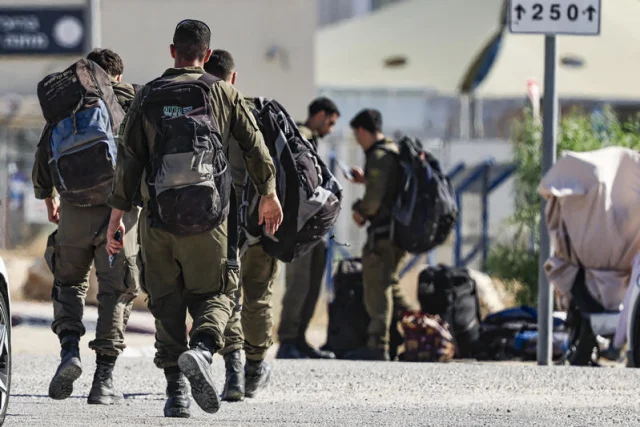
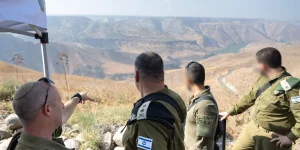
The repeated back-and-forth of U.S. President Donald Trump's public statements about renewing strikes on Iran is straining the IDF's combat readiness and limiting its ability to address challenges on other fronts, military officials told Ynet News.
After multiple indications that the United States was preparing to launch massive strikes in Iran over the weekend, the IDF raised its alert level before Trump canceled the strikes early on Sunday morning.
Each increase in the IDF's alert level places additional strain on its forces, and the repeated cycle of threats and cancellations – combined with the lack of behind-the-scenes coordination between the U.S. and Israeli militaries – is raising concerns about the IDF's ability to maintain peak readiness over an extended period, the report said.
According to Israel’s Channel 12 News, Israel believes Iran could launch ballistic missiles toward it even if the IDF had not initially participated in the new U.S. strikes.
The IDF relies on reservists for most large-scale operations. Last weekend, the Israeli Air Force had already reportedly called up reserve troops in several units, requiring many civilians – who often hold full-time jobs and have families – to give up another weekend for military service.
BREAKING: @POTUS says the U.S. had an attack on Iran planned that would've been the biggest "since World War II" before Iran reached out seeking a deal.
— Fox News (@FoxNews) August 2, 2026
The president told reporters on Air Force One that negotiations are set for Monday afternoon and that a peace deal would "save… pic.twitter.com/Oh9wHC3vGR
Maintaining a high alert also strains air defense batteries, the Home Front Command, and many others.
Devoting resources and attention to the Iran front is limiting the IDF’s ability to tackle other areas of concern, a senior security official said. “In the current situation, the Iran front takes priority over everything else, and resources are directed there. But when it isn't clear what decisions will be made in the White House, it creates real difficulties in allocating forces and resources.”
However, the official stressed that its work with Washington "is so strategically important that the repeated need to place the system on high alert is a price worth paying."
Speaking to Channel 12, senior officials described the past 24 hours as "walking in the dark."
"This is not hocus-pocus. Once you lower the level of alert and readiness, it takes time to get organized again. It is frustrating to commit all the resources to one arena and then discover that it was a mobilization for nothing. We do not understand what the President's end game is," the officials said.
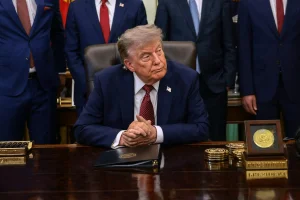
Trump told reporters on Sunday that the strikes he called off were intended to be “the biggest attack since World War II,” but claimed that Gulf leaders, along with Iranian officials, had asked him to give diplomacy more time.
“We’re talking to them in the form of a negotiation. It begins tomorrow afternoon, and we’ll see if it’s [good]. I’d love to do that. We’d save a lot of lives, save a lot of unnecessary power,” Trump told reporters aboard Air Force One.
🗣️ Iranian Foreign Ministry spokesperson Esmail Baghaei:
— This Is Beirut (@ThisIsBeirut_) August 3, 2026
- “We are currently holding no talks with the United States.”
- “Discussions are underway with the Sultanate of Oman regarding the Strait of Hormuz.”
- “We are working with the Sultanate of Oman to establish a temporary,… pic.twitter.com/Ajck4MkmHE
However, Iranian officials publicly mocked Trump for “backing down.” On Monday, Iranian Foreign Ministry Spokesman Esmaeil Baghaei said that Iran is not currently holding talks with the American side, and that “we do not intend to receive any delegation at present, nor will we be guests of any party.”
“We are confident in our ability to deter the United States,” Baghaei claimed, adding that negotiations over the Hormuz Strait passage routes continued with Oman.
Israeli leaders aren’t the only ones in the region that are growing frustrated with Trump’s reversals, The Wall Street Journal reported.
Senior officials in the United Arab Emirates reportedly pushed Trump to escalate the strikes, even advised him to take physical control of the Strait of Hormuz via ground operations, arguing that the Revolutionary Guards (IRGC) would not compromise otherwise.
However, the Associated Press reported that Trump ultimately decided in favor of the approach presented by Saudi Crown Prince Mohammed bin Salman, who warned that new strikes in Iran would trigger intense Iranian strikes on oil and gas infrastructure in Saudi Arabia and across the Gulf.
A regional official told The Times of Israel that Trump's latest proposal would see Iran and the United States return to the negotiating table, with Washington lifting its naval blockade and allowing Iran to resume oil exports. In return, the Iranian regime would reopen the Strait of Hormuz and halt attacks across the region, including those carried out by its proxy militias in Iraq and elsewhere.
You might also like to read this: