








Germany asks ICJ to dismiss Nicaragua case over arms exports to Israel
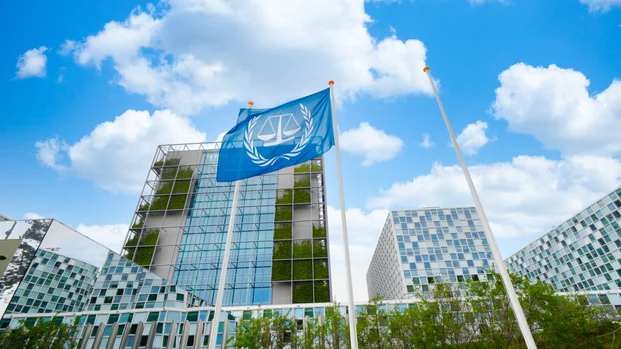
The German government asked the International Court of Justice (ICJ) on Monday to reject a Nicaragua-initiated case accusing Berlin of violating the 1948 Genocide Convention by supplying arms to Israel.
The case centers on Germany’s military support for Israel during the Gaza war and whether Berlin’s actions could constitute a failure to prevent genocide under the convention. Both Germany and Nicaragua are signatories to the treaty, which obligates states to take measures to prevent genocide.
“Germany respectfully requests the court to reject Nicaragua’s claims,” German Foreign Ministry legal advisor Julia Monar informed the judges.
Israel has strongly rejected accusations of “genocide” in Gaza, saying it is defending itself against Hamas, which carried out the Oct. 7, 2023, massacre of 1,200 Israelis and has systematically operated among Gazan civilians.
Germany, the United States, the United Kingdom and France have also rejected the genocide accusation against Israel, while Berlin has emphasized Israel’s right to defend itself.
The case is unusual because neither Germany nor Nicaragua is directly involved in the war in Gaza. Nicaragua severed diplomatic relations with Israel in 2024 and has since joined international legal efforts against the Jewish state.
In 2024, Nicaragua asked the ICJ to hold hearings over Germany’s military cooperation with Israel.
“Germany is facilitating the commission of genocide and, in any case, has failed in its obligation to do everything possible to prevent the commission of genocide,” Nicaragua claimed without providing concrete evidence in its filing.
The following year, Germany suspended arms exports to Israel for several months. However, Germany resumed military exports after the Trump administration brokered a fragile Gaza ceasefire in October 2025.
Nicaragua’s case against Germany builds on the separate case brought by South Africa against Israel, which accuses the Jewish state of violating the Genocide Convention in Gaza.
Israeli leaders across the political spectrum have rejected the accusation. Israeli President Isaac Herzog has described the genocide allegation against Israel as a modern blood libel against the Jewish people.
In March 2026, Germany formally withdrew from its previous role supporting Israel in the ICJ case amid the allegations raised by Nicaragua.
“We are now ourselves part of a contentious case before the ICJ and have therefore decided not to make use of this option,” German Foreign Ministry spokesperson Josef Hinterseher stated.
The separate genocide case against Israel is not expected to be heard on the merits until late 2029. Israeli officials have emphasized that the Israel Defense Forces has taken measures intended to minimize civilian casualties in Gaza, including issuing advance warnings and opening evacuation routes for civilians from active combat zones.
Israel has also accused Hamas of deliberately operating from civilian areas and seeking to maximize civilian casualties in order to increase international pressure on Israel. Israeli officials have said Hamas terrorists have operated from schools, hospitals, mosques and residential buildings, which Israel says violates international law.
The ICJ is the United Nations’ principal judicial organ and resolves legal disputes between states and issues advisory opinions on questions of international law. Its judgments in contentious cases are final and not subject to appeal.
The International Criminal Court (ICC), by contrast, is a separate institution that prosecutes individuals accused of genocide, war crimes and crimes against humanity. The Rome Statute governs the ICC, while the ICJ operates under the UN Charter and its own statute.
Popular article:
interview Easter message of resurrection hope amid war at Jerusalem's Garden Tomb

biblical commentary Let my people go: a Passover message for today
4 IDF soldiers killed, 2 wounded in fighting in southern Lebanon, as Israel eliminates dozens of Hezbollah terrorists

Receive latest news & updates
A message from All Israel News
Help us educate Christians on a daily basis about what is happening in Israel & the Middle East and why it matters.
For as little as $10, you can support ALL ISRAEL NEWS, a non-profit media organization that is supported by readers like you.
Latest articles:
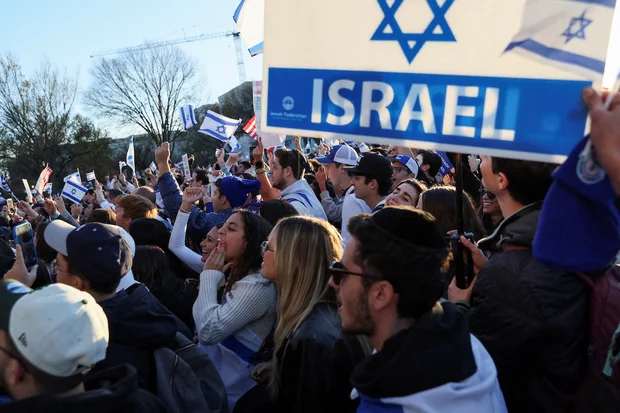
North American Jewish organizations to recruit 100 professionals to combat antisemitism
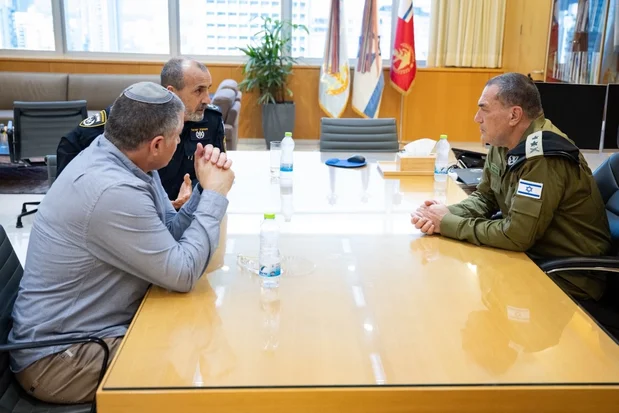
‘No need’ for pre-election Iran strike, IDF chief says as gov’t, opposition trade blame for potential escalation – report
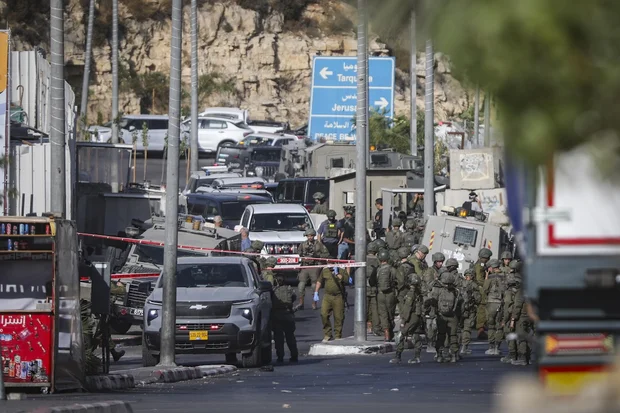
terror attack 2 Israeli soldiers killed, 2 terrorists eliminated in Hebron shooting; IDF says much larger attack was prevented
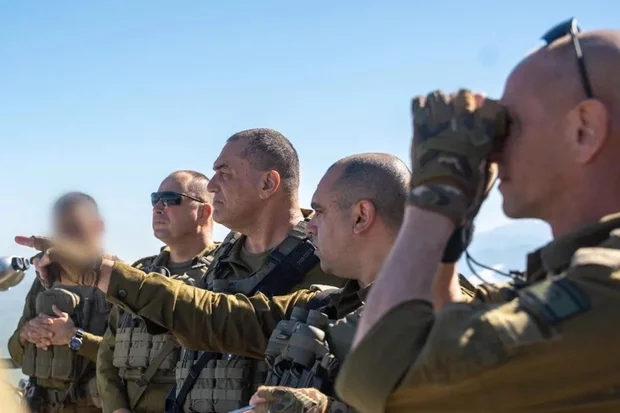
analysis A people dwelling securely? Israel’s strategic standing, 3 years after Oct 7
Hamas on wheels: What I found in Dearborn reveals a troubling history and a battle over Israel