7/10 and the Black Shabbat

Today, Israel commemorates the massacre of October 7, 2023, and pays tribute to the victims of the war that followed. Three years later, the mourning remains immense; Israel counts 2,347 dead. Among them are 1,318 soldiers and 1,029 civilians, including 63 children. More than 87,000 people have been recognized as victims of hostile acts; about 40,000 have a recognized disability, most often linked to deep psychological trauma. Behind these figures are broken families and lives turned upside down.
On Shabbat, which coincided with the feast of Simchat Torah, Hamas launched an attack of extreme violence against the communities of southern Israel. Prepared for years in secret, the offensive hit a country that believed itself to be protected. October 7 will remain one of the darkest days in Israel's history since the creation of the state in 1948. One of the orders attributed to Yahya Sinwar called for the capture of dozens of strategic crossroads and hundreds of Israeli communities. In their ideal scenario, this offensive was to be relayed by other hotbeds of violence in Judea and Samaria as well as by Hezbollah in the north, taking Israel in a pincer movement. How could such a plan manage to surprise one of the most efficient intelligence services in the world?
This question continues to haunt Israelis. Overconfidence in technology and military might seems to have contributed to an underestimation of the threat. Warning signs, however, did exist. The young female soldiers in charge of guarding the border with Gaza, known as "the lookouts," had repeatedly reported unusual movements and training. Their warnings did not receive the attention they demanded. Even more troubling was the slow response at the time of the attack. For several hours, entire villages were left to fend for themselves against the terrorists. Investigations will have to establish full responsibility, but this failure will remain one of the most serious in the history of the IDF.
At the Nova Festival
The Nova festival, held near the Gaza Strip, was hit with great violence. Thousands of young people had gathered there to listen to music and dance. In just a few moments, the party turned into horror. Participants were hunted down and massacred on site, on the roads, and even in the shelters where they tried to take refuge.
Across the targeted areas, men, women, the elderly, and children were murdered. Entire families were exterminated in their homes. Rapes were committed, bodies were mutilated, and babies were burned. The aim was not only to kill, but to terrorize an entire nation. The cruelty of the attacks revived the memory of persecution and the Holocaust for many Jews.
An Unprecedented Hostage-Taking
On that day, 251 people were kidnapped and forcibly taken to the Gaza Strip. Among them were children, women, and the elderly. Hostages were dragged through the streets and paraded in front of cameras; many were then held captive, tortured, and starved in tunnels, cages, and other places of detention. Their fate became a source of daily anguish for their loved ones and for the entire nation.
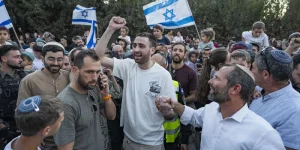
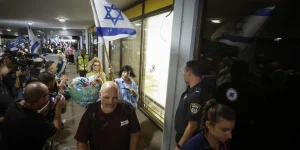
The shock was immense. For many, a founding promise of Zionism seemed to have been brutally shaken: that of finally offering the Jewish people a safe haven. If families could be massacred in their homes, in the very heart of Israel, where else could they find shelter? Yet, in the midst of this distress, a powerful wave of solidarity swept through the country. Residents took up arms to defend their kibbutzim and rescue their neighbors. Police officers and soldiers fought to the point of giving their lives. Hundreds of thousands of reservists answered the call, while volunteers, charities, and families mobilized to welcome the displaced, support the bereaved, and aid the soldiers.
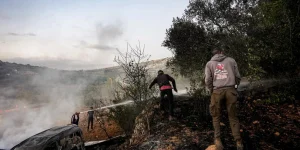
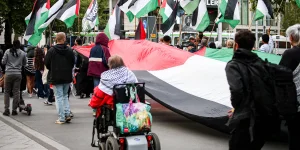
The government launched a massive military operation in the Gaza Strip with the goal of dismantling Hamas's capabilities and bringing back the hostages. But the international support expressed after the massacre eroded as the war dragged on and the destruction and suffering of Gaza's civilian population worsened. Outrageous accusations of "genocide" became increasingly prominent in international debate. For many Israelis, there was a sense that the crimes of October 7 and the threat facing their country were now being pushed into the background.
The Surge of Anti-Semitism
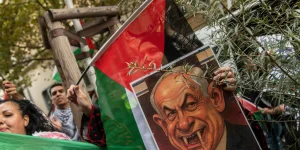
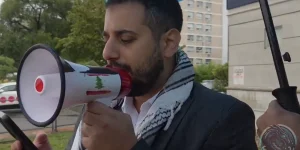
Today, after a staggering reversal of international opinion—where victims become the guilty and murderers are defended—anti-Semitic acts and rhetoric are multiplying across the globe. Jews are threatened or attacked, and community centers are targeted. In the streets as well as on university campuses, fear is spreading to communities that thought they were safe from such violence.
Three years later, the consequences of October 7 continue to mark Israel and the Middle East. The memory of the hostages, their captivity, and those who did not return remains an open wound. The confrontation with Iran and its proxy organizations has also upset the regional balance. However, military successes alone are not enough to erase trauma or guarantee lasting peace.
For the believer, this ordeal also calls for spiritual reflection. It serves as a reminder of how fragile human security remains, even when backed by a powerful army and advanced technologies. It also underlines the vital importance of unity among the people. Testimonies from soldiers, reservists, and young people speak of a renewed search for God, a return to prayer, and a deeper attachment to their biblical heritage. Without overgeneralizing these experiences or minimizing the suffering, we can discern signs of hope.
We can also thank God that the simultaneous offensive hoped for by Israel's enemies did not materialize on October 7. Without claiming to know all the reasons for this failure, we view it as a reason to recognize His protection. The Bible repeatedly records how God thwarts the plans of His people's enemies, sometimes by sowing confusion in their ranks.
Peace remains fragile. Diplomatic steps are necessary, but true peace requires the renunciation of terrorism and the recognition of Israel's right to live in security. Jeremiah's warning retains all its force: "'Peace, peace,' they say, when there is no peace" (Jeremiah 6:14). He reminds us that reassuring words are not enough to heal a deep wound.
The "Black Shabbat" of October 7, 2023, is a turning point whose repercussions extend far beyond Israel's borders. On this day of remembrance, we hold the victims in our hearts, stand beside those who still bear the wounds of this tragedy, and pray for Israel. May the Lord comfort the families, strengthen His people, and lead them to true peace.