









Ultra-Orthodox draft bill causes rifts in coalition as several lawmakers come out against new proposal
Finance Ministry warns that bill will not lead to increase in conscription of soldiers
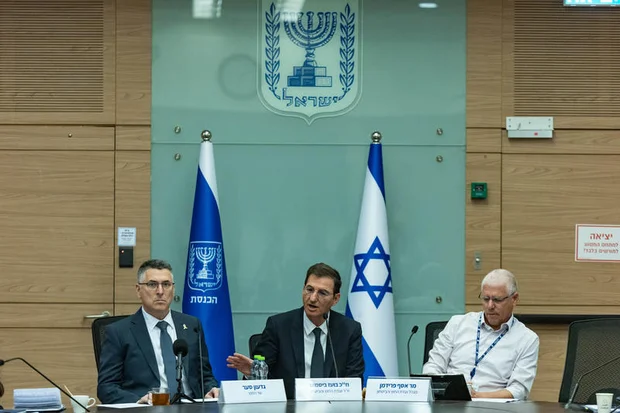
On Monday, the Knesset Foreign Affairs and Defense Committee discussed the new ultra-Orthodox (Haredi) draft bill formulated by committee chairman Boaz Bismuth (Likud), which quickly provoked significant opposition within the coalition.
At least 5 of the 68 member coalition bloc have expressed outright opposition to the bill as it stands in the committee.
These include: Deputy Foreign Minister Sharren Haskel (Likud); former committee chair Yuli Edelstein (Likud), who was removed from the chair and the committee after being unwilling to make certain concessions to the ultra-Orthodox parties; Immigration Minister Ofir Sofer (Religious Zionism); Haredi MK Yaakov Tessler (United Torah Judaism); and Haredi MK Yitzhak Goldknopf (United Torah Judaism).
Alongside those members, several other coalition partners have expressed reservations or opposition to the bill in its current form.
Among those lawmakers and ministers seeking changes to the law in order to support it are: Finance Minister Bezalel Smotrich (Religious Zionism), Eliyahu Revivo (Likud), Michal Waldiger (Religious Zionism), Dan Illouz (Likud), MK Moshe Solomon (Religious Zionism), MK Moshe Saada (Likud), and Yitzhak Kroizer (Jewish Power).
At the same time, the ultra-Orthodox parties, for whom the law was devised, are waiting for the instruction of the ruling rabbinical councils before announcing their support or opposition to the law. However, a few of the United Torah Judaism MKs have also expressed reservations, indicating they may vote against the bill if brought to a Knesset reading in its current form.
Former committee chair Yuli Edelstein slammed the bill as “a blow to national security.”
“The result, if it passes, is damage to the security of the state,” Edelstein said during the discussion. “The IDF's needs are at least 12,000 soldiers immediately. The IDF is already prepared to absorb much more. I don't understand how these numbers [of potential recruits according to the bill] can be justified.”
“The purpose of this law could be anything – apparently maintaining the coalition or something else – but it is certainly not recruitment,” Edelstein said in comments ahead of the discussion. “It is definitely not recruitment.”
Immigration Minister Ofir Sofer also stated firmly that he will vote against the bill in its current form, “even if it means the prime minister will fire me.”
“This is a shameful law, devoid of any public courage, a law that struggles to look our ultra-Orthodox partners in the eye and to tell them it is time to take action,” Sofer said ahead of the discussions. The immigration minister criticized the lack of immediate sanctions on ultra-Orthodox refusers.
While Religious Zionism head Finance Minister Bezalel Smotrich has not clearly stated his intention regarding the bill, he told told reporters that his party “will not compromise on a conscription law that does not bring real change on the ground.”
The Finance Ministry sent an assessment of the bill to Defense Committee legal advisor Miri Frenkel Shor, saying that the bill would not lead to an increase in conscription, due to its rejection of sanctions, and its allowance for most Haredi to perform national civil service instead of military service.
Meanwhile, more than 60 mayors across the country sent a strongly worded letter to Prime Minister Benjamin Netanyahu on Monday, expressing their opposition to the wording of the draft law regarding exemptions from conscription in light of the current security situation.
The letter, which was also sent to Defense Minister Israel Katz and MK Bismuth, called for a halt to the bill's advancement in its current form, citing its “serious implications for mutual responsibility and cohesion in Israeli society.”
Citing the clear need for more soldiers, as revealed during the past two years of war, along with the deep rifts in society, and unequal sharing of the conscription burden, the letter called for clear action.
“When some bear the burden and some are exempt from it, not only is our actual security harmed, but so is the sense of mutual responsibility that binds us together as one society,” the letter said.
“Precisely now, at a time when we are required to act to heal and rebuild, a conscription law that lacks neither equality or solidarity is being promoted.”
Opposition lawmakers are mostly united in their rejection of the bill, however, at least nine members of the coalition would need to oppose the bill in order for it to be defeated in the Knesset.
Popular article:

interview Easter message of resurrection hope amid war at Jerusalem's Garden Tomb

biblical commentary Let my people go: a Passover message for today

4 IDF soldiers killed, 2 wounded in fighting in southern Lebanon, as Israel eliminates dozens of Hezbollah terrorists

Receive latest news & updates
A message from All Israel News
Help us educate Christians on a daily basis about what is happening in Israel & the Middle East and why it matters.
For as little as $10, you can support ALL ISRAEL NEWS, a non-profit media organization that is supported by readers like you.
Latest articles:
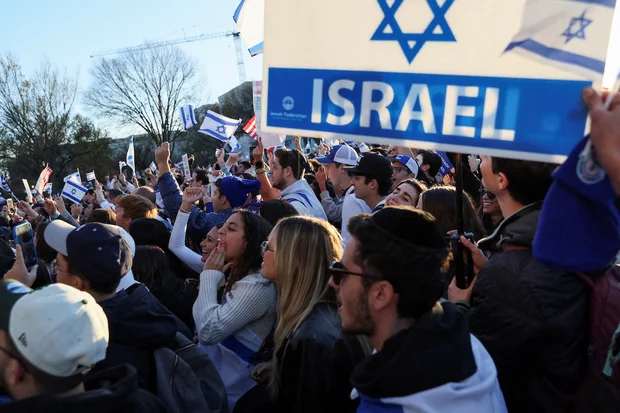
North American Jewish organizations to recruit 100 professionals to combat antisemitism
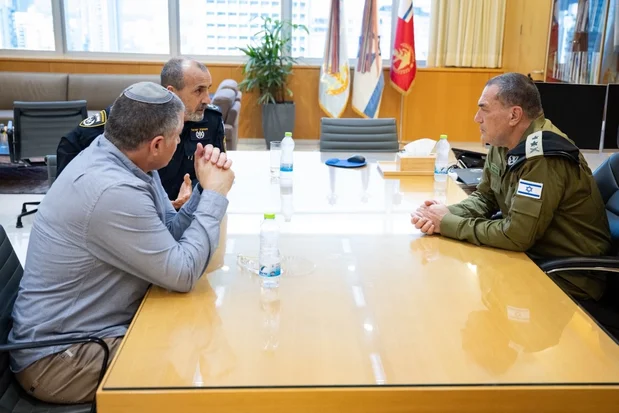
‘No need’ for pre-election Iran strike, IDF chief says as gov’t, opposition trade blame for potential escalation – report

terror attack 2 Israeli soldiers killed, 2 terrorists eliminated in Hebron shooting; IDF says much larger attack was prevented
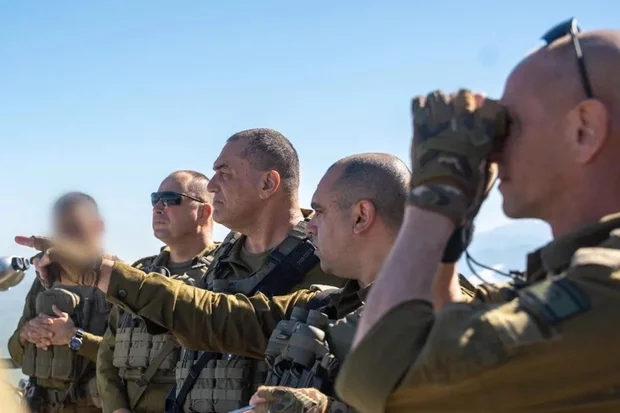
analysis A people dwelling securely? Israel’s strategic standing, 3 years after Oct 7

Hamas on wheels: What I found in Dearborn reveals a troubling history and a battle over Israel