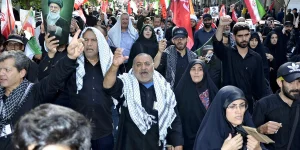
Tehran citizen speaks out: 'Iranians don’t trust Trump; Netanyahu is most popular here'
Iranians were impressed by precision of Israeli strikes during Operation Rising Lion, citizen says



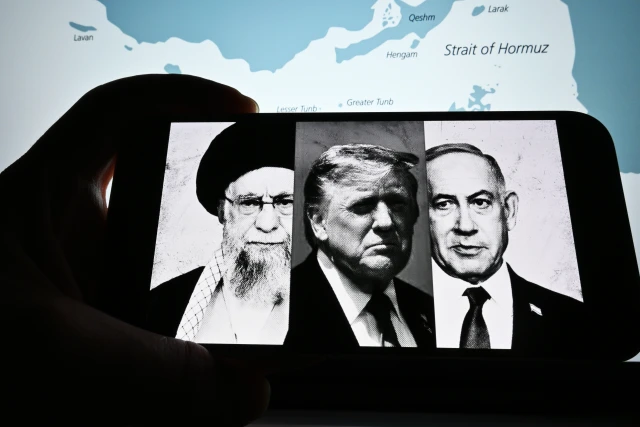
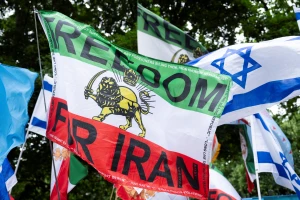
“Netanyahu is currently the most popular person in Iran; people here have fallen in love with him. People don’t trust America or Trump, but they strongly believe in and love the Israelis,” a Tehran resident told KAN News on Wednesday, against the backdrop of growing protests in Iran.
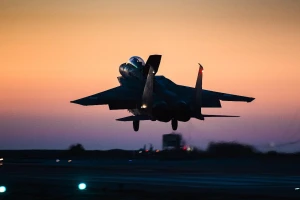
Speaking under the alias "Arash," he explains that Iranians were impressed by the Israeli strikes during Operation Rising Lion, which “only targeted the regime’s infrastructure and did not harm civilians.” By contrast, he notes that people are “mostly afraid” of the United States having seen the outcome of what happened in countries where American forces intervened, such as Afghanistan and Iraq: “Wherever they went, they brought nothing but destruction.”
Arash, an opponent of the regime, took part in one of the protests this week. Though he is not Jewish, in the interview he recalled a few words he learned in classes offered by the local Jewish community that he attended in the past. He explained the main protests take place in the center of Tehran and in the south, though demonstrations are also happening across many other provinces.
Arash described the violent tactics used by regime forces: “They arrest large numbers of protesters, who report being sexually assaulted in prison. The security forces use massive amounts of tear gas against demonstrators,” he says. “I was personally affected by the gas – I couldn’t see or breathe properly for hours. This causes many people to stay away from the protests.”
The protests, which have been ongoing for more than a week, have spread to over 250 locations across 27 of the country’s 31 provinces. At the same time, the Fars News Agency, which is affiliated with the Revolutionary Guard, reported that around 250 police officers and 45 Basij members – part of the IRGC’s volunteer paramilitary force – were injured in the clashes.
The protest erupted against the backdrop of the currency’s collapse and the worsening economic crisis following sanctions and war with Israel. It is the largest since the 2022 protest sparked by the death of Mahsa Amini.
Arash described the dire state of the country and the issues that led countless people to risk their lives and take to the streets. According to him, the main reason for the protests was Iran’s severe economic crisis. “We didn’t have water. Secondly, we didn’t have electricity. Thirdly, we were one of the richest countries in the world, but our people were the poorest,” Arash said.
“The people ask country leaders why they distribute the wealth among themselves and support Hamas, Hezbollah, Asa’ib Ahl al-Haq, the Houthis, and Afghanistan, but when it comes to their own people, they say, ‘No, you have to wait, you have to pay taxes.’ There is extremely high inflation; they lie and claim it is 30%, but it reaches 200% a year, and they hide it from the people.”
Another reason is social: the government imposes restrictions on citizens’ freedoms, especially women. “We are not allowed to celebrate or dance. We are a country of 90 million people, all of whom are prisoners,” Arash said.
You might also like to read this: