Rabies cases in Israel more than triple; Health Ministry warns of rise in wildlife infections



The number of reported rabies cases in Israel has more than tripled over the past three years, according to data released Tuesday by the Israeli Health Ministry, which warned that the disease is increasingly spreading among wildlife and creating greater risks for humans and domestic animals.
Health Ministry figures show that Israel recorded 102 rabies cases in 2025, compared with 29 cases in 2022. The number of people who contacted health offices following suspected rabies exposure also increased significantly, rising from 12,343 in 2010 to 24,219 in 2025.
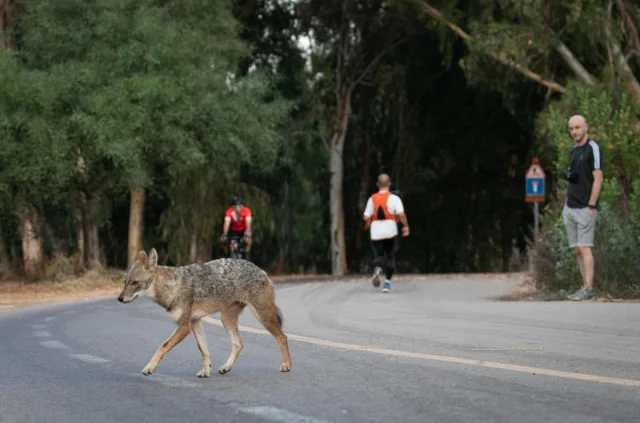
The increase has been linked primarily to the spread of rabies among wild animals, particularly jackals and foxes in northern Israel and other areas of the country.
Siegal Sadetzki, who heads the Health Ministry's Public Health Division, expressed concerns about the rising number of rabies cases in the Jewish state.
"I am concerned because there has been a very troubling increase in rabies among wild animals recently. Over the past year, the jump has been even greater. We are seeing the virus spread from jackals to other wildlife, along with much more contact between people and wild animals that are entering cities and becoming increasingly common," Sadetzki said.
She warned that there is a growing presence of wild jackals in Israeli urban areas, which increases the risk of exposure to humans and domestic animals.
"It used to be extremely rare to see jackals in Tel Aviv. Today we see them in yards and on city streets. They come here looking for food, both from garbage bins and from feeding stations where people leave food for animals. That's one of the things we want to change, and we want to warn the public not to do it," Sadetzki explained.
The Health Ministry official said that rabies is now considered widespread throughout Israel, with cases appearing in multiple regions.
"Today, all of Israel is considered an endemic rabies area. Animals can travel quickly and certainly an infected dog transported from one place to another can spread the disease very rapidly. The borders are especially sensitive because we depend on how the issue is handled across the border. We are now seeing spread in the Gilboa region, the Sharon, Hefer Valley, Hadera and Hod Hasharon," she assessed.
Sadetzki also warned that the movement of animals between different parts of the country can contribute to additional cases.
"In April 2026, a reservist brought a dog from northern Israel to Hadera and later to Ra'anana. During Passover, the dog was in contact with family members, and it was later confirmed to have rabies. In May 2026, another dog was brought from Ramle to Holon and was also found to be infected. Bringing dogs from the north or south because of the war is absolutely prohibited. We must prevent these cases. We cannot allow people to be exposed to rabies, which is a terrible disease that is almost always fatal."
Oren Shattach Catabi, director director of the Health Ministry's Department of Zoonotic Diseases, warned that attempts to rescue or adopt animals without proper medical checks can increase exposure risks.
"People try to rescue animals, but there are consequences," Catabi said. "It's important to adopt responsibly, find out where the animal came from, make sure it has been vaccinated against rabies and obtain its full medical history."
Rabies is a viral disease that affects the nervous system of mammals, including humans, and is almost always fatal once symptoms appear. The virus is primarily transmitted through bites or contact with saliva from infected animals. According to the World Health Organization, tens of thousands of deaths worldwide are attributed to rabies each year, with most occurring in parts of Africa and Asia.
In Israel, however, the risk to humans remains relatively low due to widespread vaccination programs, access to medical care, and the availability of post-exposure treatment following potential exposure.
Sadetzki said authorities expect the challenge to continue and are working to reduce further spread.
"I believe the trend will continue, and we are preparing accordingly while doing everything we can to prevent further spread," she said."We want to raise public awareness, encourage vaccination of animals, promote responsible adoption and ensure that people seek guidance from district health offices as quickly as possible."
You might also like to read this: