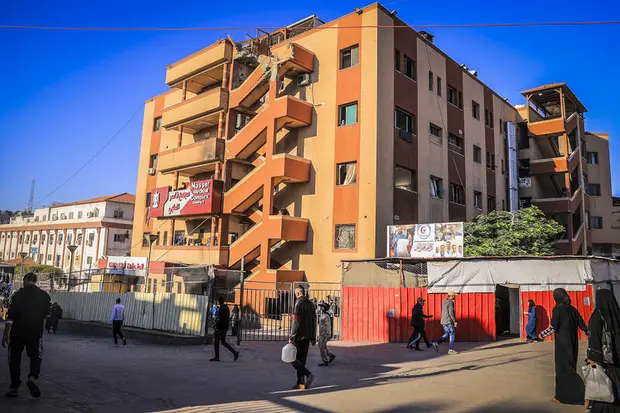
Normalization of ties between Arab nations and Syria presents security concerns for Israel
Arab nations meet to discuss Syria’s possible return to the Arab League
High-level officials and ministry leaders from nine Arab nations met in Saudi Arabia over the weekend to discuss the possibility of allowing Syria to rejoin the Arab League.
Among the participating countries were the six members of the Gulf Cooperation Council (GCC) – Bahrain, Kuwait, Oman, Qatar, Saudi Arabia and the United Arab Emirates – as well as Egypt, Iraq and Jordan.
In 2011, Syria was banned from the 22-member Arab League following the breakout of the Syrian Civil War.
Israel, however, has always viewed its northern neighbor, the Assad regime, as an enemy. In the early 1990s, the Jewish state found itself under international pressure to discuss the option of a potential “peace deal” with Syria in exchange for the return of the Golan Heights – a territory it seized in the last days of the Six-Day War in 1967.
Israelis from the political left and right were accustomed to holding fierce public debates on the issue, as the government of then-Prime Minister Yitzhak Rabin was considering the option.
Over the years, and especially since the outbreak of the civil war in Syria, the idea of a Syrian-Israeli peace agreement has become more unrealistic than ever, given that, in 2019, former U.S. President Donald Trump officially declared the Golan Heights as being under Israeli sovereignty.
Yet, the Arab world still considers the territory as “occupied” and the normalization of ties between Arab nations and Syria may eventually put the Golan Heights back into the spotlight.
There are other consequences related to security which should be more concerning for Israel.
The civil war in Syria and Russia’s de-facto control of large swaths close to the border with Israel, have provided leeway for the Jewish state to operate against Iranian targets located deep within Syrian territory.
Just last week, Israeli Prime Minister Benjamin Netanyahu, addressed the nation, saying: “In Syria, we acted against Iranian targets and Syrian regime targets. The Assad regime knows that this is only the initial price that they paid.”
Countries like Jordan, Egypt, the UAE and Bahrain, which have signed different forms of peace agreements with Israel, have so far turned a blind eye (at least publicly) to these Israeli raids. This could one day change, as the Assad regime begins to restore its relationship across the Arab world.
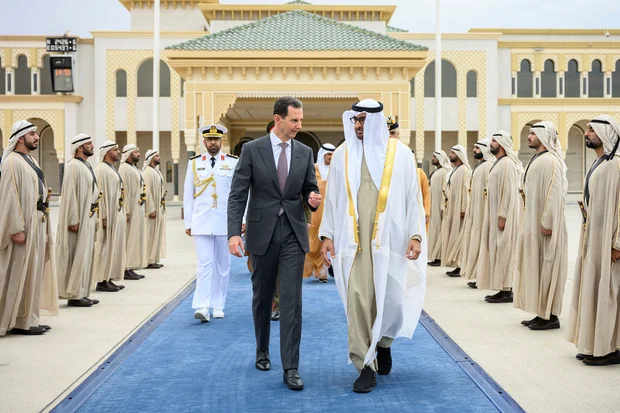
The UAE, for example, recently de-escalated its stance towards the Assad regime, which led to the reopening of its embassy in Syria in 2018. UAE hosted Syrian President Assad and his wife Asma last month in a move that appeared to be a step forward to end Syria’s regional isolation.
Hezbollah’s leader Hassan Nasrallah predicted this change will happen. In a recent speech to mark the anti-Israel Iranian fest of ‘Quds Day’, Nasrallah said that “Israel is miscalculating the situation in Syria.”
He warned that “the situation could develop at any moment, considering many parameters. The enemy is wrong if they think they can attack in Syria while it is engaged and can’t open a front, but there are wrong calculations, everything can change one day.”
Popular article:

interview Easter message of resurrection hope amid war at Jerusalem's Garden Tomb

biblical commentary Let my people go: a Passover message for today

4 IDF soldiers killed, 2 wounded in fighting in southern Lebanon, as Israel eliminates dozens of Hezbollah terrorists

Receive latest news & updates
A message from All Israel News
Help us educate Christians on a daily basis about what is happening in Israel & the Middle East and why it matters.
For as little as $10, you can support ALL ISRAEL NEWS, a non-profit media organization that is supported by readers like you.
Latest articles:
Mossad abducted 2 Iranian generals, killed one in decades-long search for missing Israeli navigator Ron Arad – report
Israel Police investigates whether Netanyahu’s office orchestrated Ra'am vote-buying probe to delegitimize election

UN delegation tours Hamas tunnel, visits kibbutz devastated on Oct. 7

Israeli food-tech company partners with UK farming giant to reduce strawberry waste
northern front IDF conducts rare strike on Hezbollah weapons shipment in Lebanon's Bekaa Valley as terrorists ramp up rebuilding efforts