Israeli ministers instructed to stay quiet on possible Israeli military intervention in Iran amid escalating protests



Ministers of the Israeli government were instructed not to comment on possible external intervention in the ongoing situation in Iran, KAN News reported this morning.
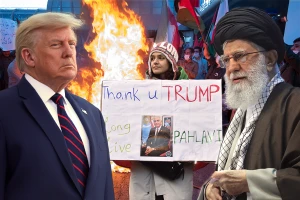
Despite the directive, Science and Technology Minister (and former Intelligence Minister) Gila Gamliel shared the latest remarks of President Trump on 𝕏: “Iran is looking at FREEDOM, perhaps like never before. The USA stands ready to help.”
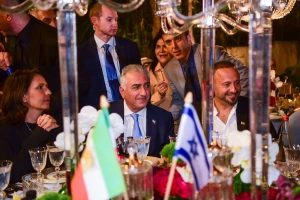
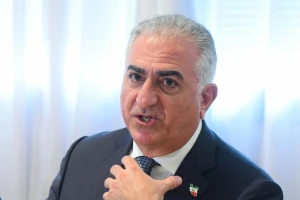
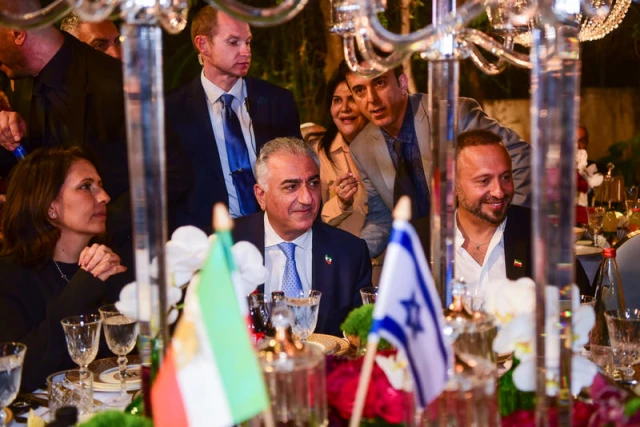
Gamliel has maintained contact with exiled Iranian Crown Prince Reza Pahlavi in recent years and met with him in Washington about a month ago. Since then, Gamliel has met with Pahlavi two additional times.
Last September, a delegation of exiled Iranian researchers visited Israel, touring the Shafdan Wastewater Treatment Facility and the Faculty of Agriculture at the Hebrew University, and receiving professional briefings from officials at the Water Authority. The delegation also visited the Nova memorial site, where they planted an olive tree.
During the visit, documents were drafted for future cooperation in water, electricity, and renewable energy. At the time, Minister Gamliel said this laid the groundwork for “the Cyrus Agreements” for future regional collaborations. She added that when the Iranian people decide to take their fate into their own hands, the foundation for cooperation would already be in place.
As KAN News reported yesterday, Israel continues to monitor the protests and holds daily situation assessments. For now, officials estimate that while the demonstrations are bringing the Iranian regime closer to a potential turning point regarding its stability, it remains a process that could take considerable time.
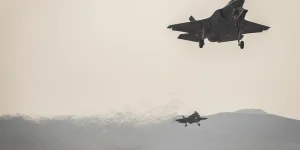
The question of U.S. intervention and possible military action could influence events. But military strikes, such as air raids, aren’t the only thing that could bolster the protesters. The U.S. could also employ cyber operations or other measures to further amplify the impact of the demonstrations.
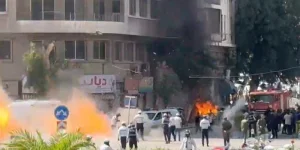
Israeli officials say the level of violence used by the regime against protesters has risen significantly. According to assessments in Israel, the reported death toll is an undercount, with hundreds of additional fatalities.
The U.S.-based human rights organization HRANA estimated that at least 538 people have been killed and at least 10,670 arrested during the protests.
You might also like to read this: