










Israeli medical officials warn hospitals remain unprepared for future war with Iran
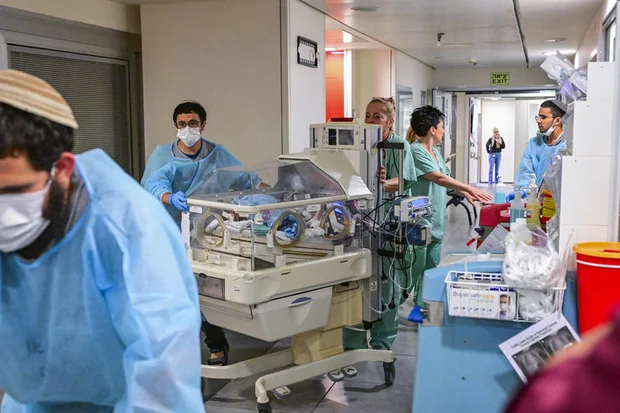
Senior medical officials in Israel warned that the nation's hospitals are inadequately protected for a new prolonged war with Iran.
At a local health conference on Tuesday, Prof. Dan Schwarzfuchs, deputy director of Soroka Medical Center in Beersheva and head of its emergency department, praised the strength of Israel’s medical personnel and their ability to function under extreme pressure, but warned that the country’s hospital infrastructure remains inadequately protected.
"The health care system has faced quite a few crises and handled them well. There was COVID-19, October 7, the war itself, and at Soroka, a missile striking a hospital, which is a scenario nobody could even imagine," Schwarzfuchs said.
"We have high-quality personnel, flexible thinking and the ability to create solutions out of nothing with the resources available to us," he continued.
"As a country, we are very strong and very good at what we do. But when it comes to infrastructure, there is still a tremendous amount of work to be done. We still don't have adequate protection across all the hospitals in Israel," Schwarzfuchs warned.
Schwarzfuchs said the current protected underground medical facilities are a partial solution to the security challenges that Israeli hospitals face.
"I wish there were a suitable underground solution for everyone," he said. "But operating underground has also forced dramatic reductions in hospital activity across the country. You can reduce operations for a month or two, but can you do that for six months? There is a price to pay. Routine care matters too."
Schwarzfuchs emphasized that maintaining high standards in everyday medical practice is essential to preparing for emergencies and that attention to detail and consistent procedures help ensure medical teams are ready in the event of a crisis.
Dr. Zeev Feldman, chairman of the State Physicians Organization and vice chairman of the Israel Medical Association, warned of potentially severe consequences if a patient needs emergency medical treatment during a crisis such as a prolonged war with Iran.
"If someone comes in at that moment with a heart attack or a stroke, someone is going to lose access to the service," he said.
"You can cope with an event lasting a week or 10 days," he said. "But when it lasts 40 days, you also have to provide routine care," he said, adding, "If there is another round with Iran tomorrow morning, we don't have a complete solution."
During the Iran war earlier this year, Israeli hospitals moved underground amid Iranian missile attacks on Israeli cities.
Dr. Arik Forer, IDF Southern Command chief medical officer, offered a more optimistic assessment, emphasizing the "human component," the hospital staff's resilience and professionalism.
"With these people, who have been forged in steel, I'm prepared to say that they will lead the system forward," Forer said.
Popular article:

interview Easter message of resurrection hope amid war at Jerusalem's Garden Tomb

biblical commentary Let my people go: a Passover message for today

4 IDF soldiers killed, 2 wounded in fighting in southern Lebanon, as Israel eliminates dozens of Hezbollah terrorists

Receive latest news & updates
A message from All Israel News
Help us educate Christians on a daily basis about what is happening in Israel & the Middle East and why it matters.
For as little as $10, you can support ALL ISRAEL NEWS, a non-profit media organization that is supported by readers like you.
Latest articles:

68% of Republican primary voters in 4 key states view Israel favorably – poll
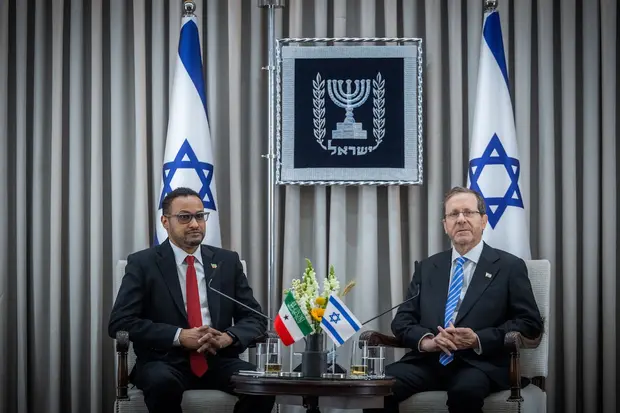
Somaliland ambassador says Berbera port could become trade hub linking Israel with East Africa
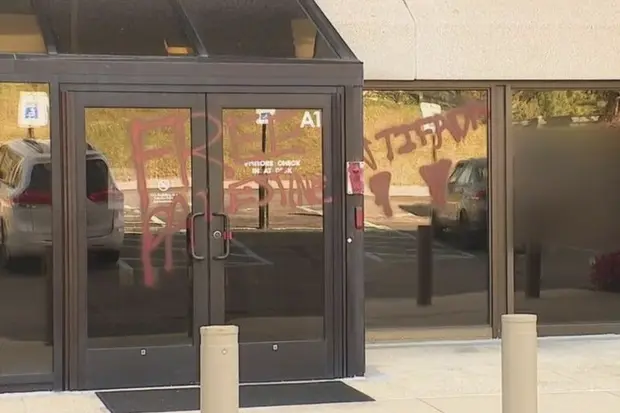
More than 1,000 University of Michigan faculty back resolution supporting activists charged with targeting Jews
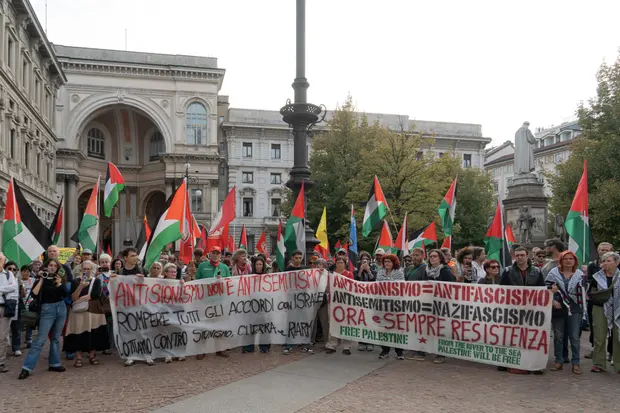
Italy passes landmark antisemitism law adopting IHRA definition, including anti-Israel hatred
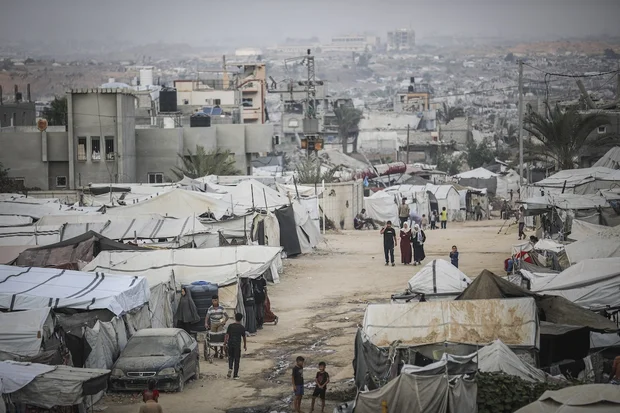
Board of Peace could return Gaza responsibility to UN if Israel continues stalling peace plan, official warns