Israel returns 22 ancient artifacts seized by smugglers to Greece

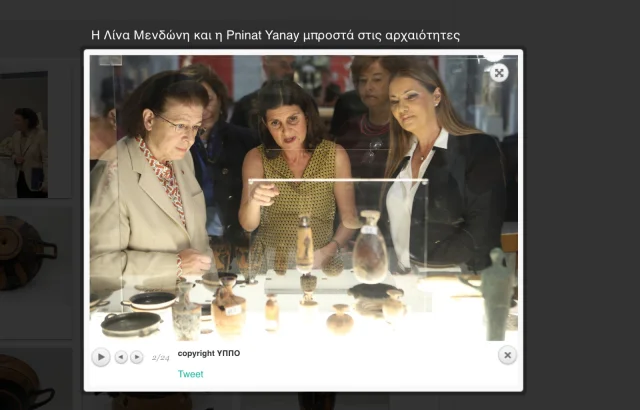
Israel returned 22 ancient artifacts to Greece on Tuesday, marking the first time the country has repatriated antiquities to its Greek counterparts.
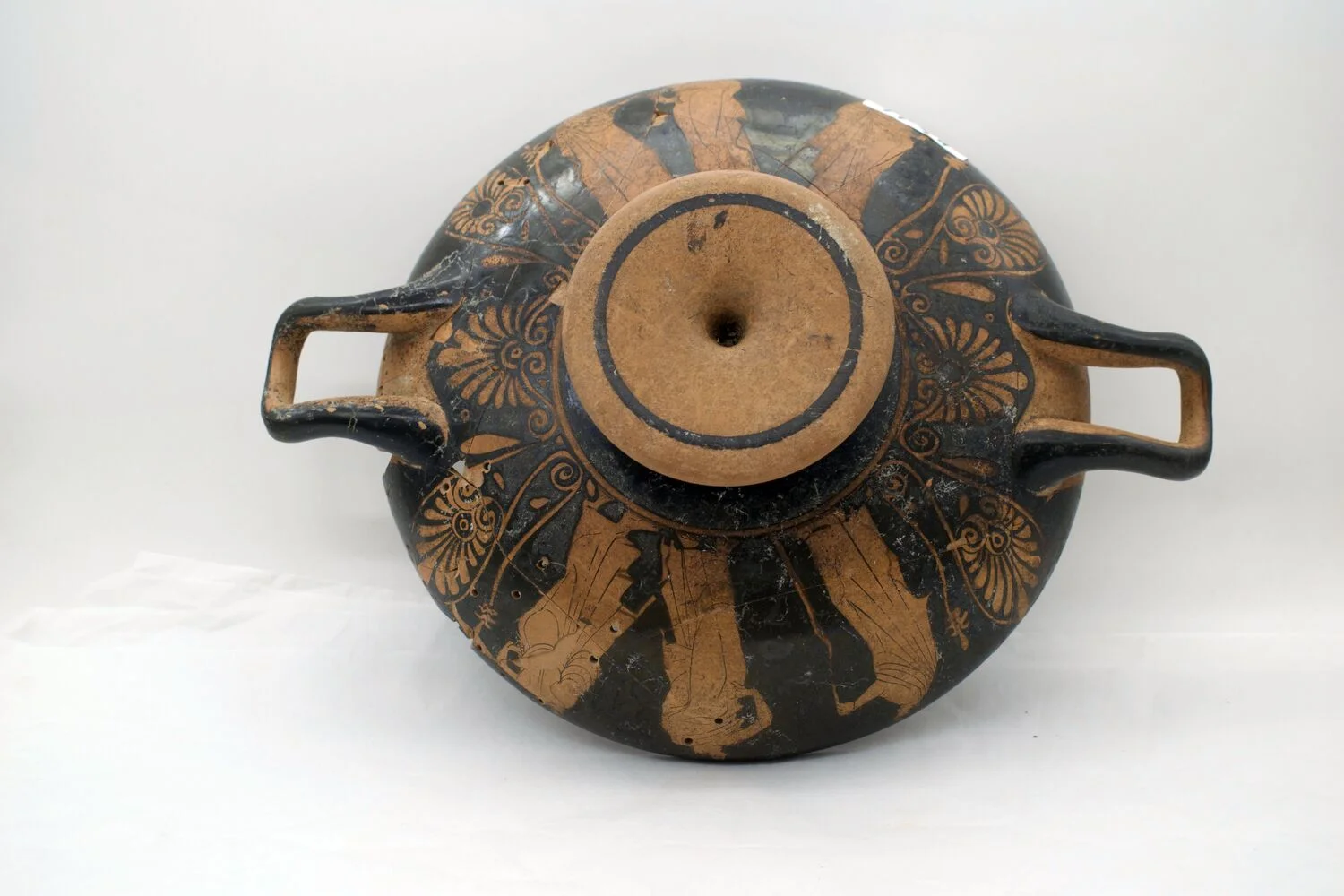
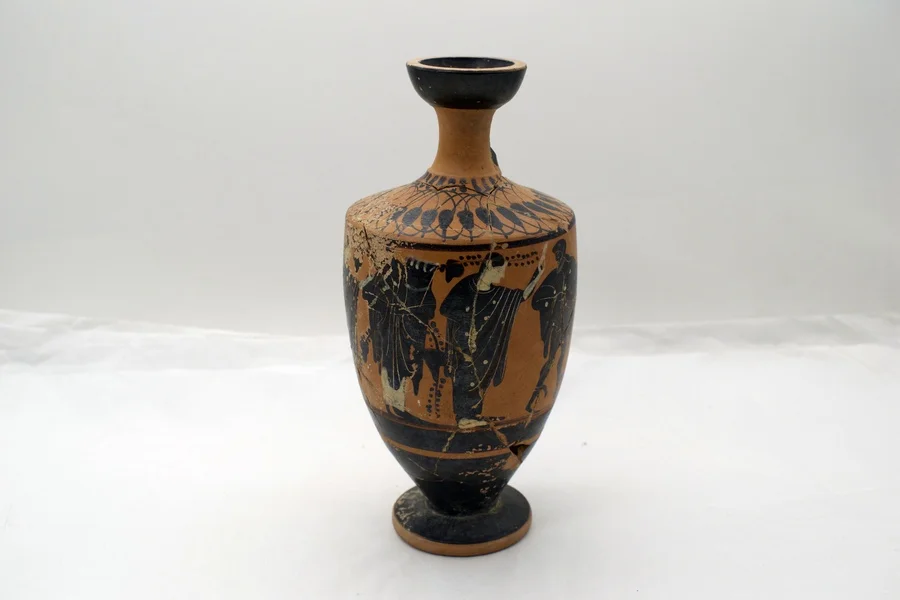
The artifacts, which date from the eighth to the fourth centuries B.C., include 15 ancient Attic vessels, six vases from Corinthian workshops and a bronze statue of a female figure. Israeli authorities confiscated the artifacts from smugglers based in the Gush Dan region in 2020. Their return is part of Greece’s broader effort to recover its archaeological heritage from museums and smuggling networks around the world.
The handover ceremony took place at the National Archaeological Museum in Athens. Attendees included Greek Culture Minister Lina Mendoni, Israeli Ambassador to Greece Pninat Yanay, and Amir Ganor, head of the Israel Antiquities Authority’s (IAA) Theft Prevention Unit.
Mendoni said the ceremony marks “the first time Israel has returned antiquities to Greece, serving as the starting point for closer cooperation between the two countries in the protection of cultural heritage."
"This return confirms that cooperation between states can make a substantial contribution to combating the illicit trade in antiquities," she continued. "The return of any cultural asset to its place of origin carries a broader symbolic and ethical dimension. It serves as a reminder that the protection of cultural heritage is a collective responsibility. I am confident that the cooperation between Greece and Israel will continue to yield tangible results in the safeguarding of cultural heritage."
"This celebration is not only about returning antiquities to their rightful home. It is also a celebration of something much greater and deeper: the special, strong, and profound friendship between the State of Israel and Greece," said Yanay in her remarks. "Two modern states, two ancient nations, and two great civilizations that deeply understand the meaning of history, the importance of heritage, and the responsibility to preserve it for future generations. These antiquities belong to Greece’s past. Today, through their return, they also become part of the shared future of Israel and Greece."
Ganor warned that the illegal antiquities trade crosses national borders, causing “irreversible damage” to countries’ cultural heritage. He also said the trade can finance terrorism and organized crime and facilitate money laundering.
"The illegal trade in antiquities serves as a cover for the financing of terrorism and organized crime, and it serves as a means of money laundering. Cutting off smuggling chains and preventing continued illegal profiting on the back of antiquities helps to thwart and prevent various types of criminal activity, and certainly helps to protect cultural heritage assets.”
Israeli Heritage Minister Amichai Eliyahu said the return of the artifacts reflects Israel’s commitment to protecting cultural heritage, calling it a “shared responsibility to preserve the treasures of the past.”
"The State of Israel is well aware of the deep connection between a people and its heritage, and the importance of preserving the historical evidence that tells its story. The return of these antiquities to Greece expresses our commitment to protect cultural heritage assets, and to act resolutely against the illegal trade in antiquities, wherever it takes place. The strengthening cooperation between the countries expresses a shared responsibility to preserve the treasures of the past, for the sake of future generations.”