Israel preparing option to pump seawater into Hamas tunnels, Wall Street Journal reports
US officials were informed of the plans
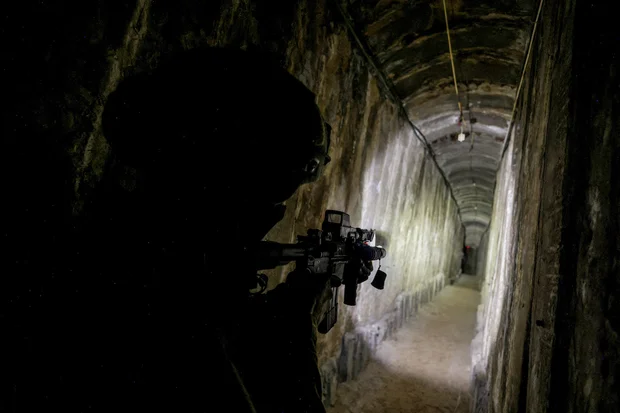
The Israeli army has prepared a system of five large pumps at the Gaza coast as a potential option to deal with the vast network of underground terror tunnels built by Hamas, according to a report in the Wall Street Journal on Monday.
The pumps were installed and assembled at the coast near the Al-Shati refugee camp in the northern Gaza Strip during November and could pump seawater into the terror tunnels to destroy them and flush out terrorists.
When asked about the report on Tuesday morning, IDF International Spokesman Lt.-Col. Richard Hecht said: “We’re using all the things that we have to tackle the tunnel systems, that’s all I can say at this stage.”
Israel has estimated the network of tunnels to run for over 500 km (over 310 miles) under the Gaza Strip.
Despite the IDF statements that some 800 tunnel shafts have been located and about 500 destroyed during the ground fighting in the last few weeks, the vast majority of tunnels still remain.
Conventional ways of dealing with the tunnels include aerial bombardments, however, there is concern that such a move puts at risk any hostages being held captive underground or soldiers entering the tunnels on foot, exposing them to booby traps and potentially leading to huge casualties.
Flooding the tunnels with seawater is just one of the options being discussed at the moment and Israel has not yet decided to move ahead with it, the WSJ report said.
The pumps can move thousands of cubic meters of water per hour into the tunnels and could flood the whole network within weeks.
U.S. officials told the WSJ that the U.S. was informed of the plans but didn’t know how close the Israeli government was to implementing them.
The reactions to the plan among U.S. officials were mixed, the report said, with some supporting the plan and some expressing concerns about its consequences.
One of the concerns was about the environmental consequences of pumping saltwater into the ground, raising fears of pollution of the local aquifer and soil.
“It’s hard to tell what pumping seawater will do to the existing water and sewage infrastructure. It is hard to tell what it will do to groundwater reserves. And it’s hard to tell the impact on the stability of nearby buildings,” Jon Alterman, senior vice president at the Washington-based Center for Strategic and International Studies, told the WSJ.
Popular article:

interview Easter message of resurrection hope amid war at Jerusalem's Garden Tomb

biblical commentary Let my people go: a Passover message for today

4 IDF soldiers killed, 2 wounded in fighting in southern Lebanon, as Israel eliminates dozens of Hezbollah terrorists

Receive latest news & updates
A message from All Israel News
Help us educate Christians on a daily basis about what is happening in Israel & the Middle East and why it matters.
For as little as $10, you can support ALL ISRAEL NEWS, a non-profit media organization that is supported by readers like you.
Latest articles:

Mossad abducted 2 Iranian generals, killed one in decades-long search for missing Israeli navigator Ron Arad – report

Israel Police investigates whether Netanyahu’s office orchestrated Ra'am vote-buying probe to delegitimize election

UN delegation tours Hamas tunnel, visits kibbutz devastated on Oct. 7

Israeli food-tech company partners with UK farming giant to reduce strawberry waste

northern front IDF conducts rare strike on Hezbollah weapons shipment in Lebanon's Bekaa Valley as terrorists ramp up rebuilding efforts