








From Argentina to Israel: Two generations of antisemitic terror victims seek justice
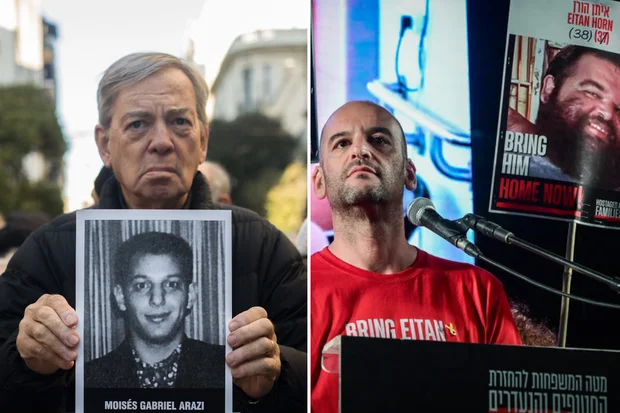
Thirty-two years after South America’s deadliest antisemitic terror attack, the call for justice remains, but at this year’s commemoration, one image captured what has changed: Iair Horn, Argentine-Israeli survivor of Hamas captivity, standing among those honoring victims of an earlier generation of terror.
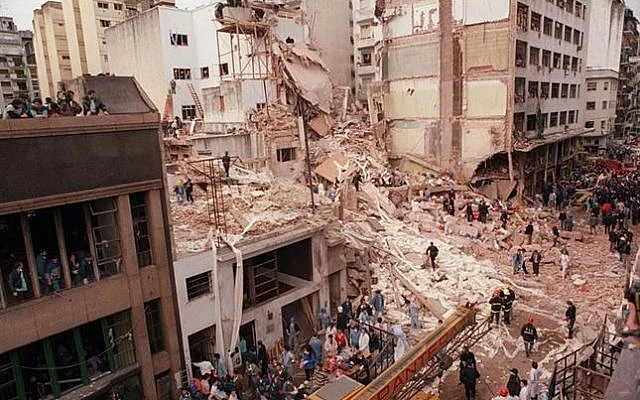
On July 18, 1994, a Hezbollah-linked suicide bombing killed 85 people and injured more than 300 at a Jewish community center in Buenos Aires, just two years after a suicide bomber attacked the Israeli Embassy in Argentina, killing 29 people and injuring more than 200.
While justice remains an open wound for Argentina’s Jewish community, Israel has delivered a message: those responsible for the attack of Oct. 7, 2023, will be pursued wherever and whenever they are found. For victims and their families, that pursuit represents more than a military objective; it is also a matter of accountability and, for some, closure.
Horn was abducted from Kibbutz Nir Oz, along with his brother Eitan, and spent 498 and 738 days in Gaza captivity. Videos of Horn appearing emotional during the ceremony marking the anniversary of the bombing of the Asociación Mutual Israelita Argentina (AMIA) circulated on social media.
The U.S. House of Representatives passed a resolution on Tuesday condemning the AMIA attack, describing it as “the deadliest attack on Jewish people outside Israel since the Holocaust.”
Argentine prosecutors have attributed responsibility to senior Iranian officials, including the late Supreme Leader Ayatollah Ali Khamenei, who is said to have ordered the attack by religious decree or fatwa. Five suspects linked to the bombing remain internationally wanted by INTERPOL.
El Presidente Javier Milei, acompañado por la Secretaria General de la Presidencia, Karina Milei, y miembros del Gabinete Nacional, participó del acto central en conmemoración del 32° aniversario del atentado terrorista contra la Asociación Mutual Israelita Argentina (AMIA), en… pic.twitter.com/2qbSsCak1p
— Oficina del Presidente (@OPRArgentina) July 17, 2026
The unresolved pursuit of those responsible contrasts with Israel’s campaign to locate and eliminate terrorists involved in the Oct. 7 attack.
A task force was created to locate, capture or kill those who planned or participated in the attack, with a list of thousands of names, according to a May report by The Wall Street Journal citing Israeli officials.
Through intelligence-driven campaigns, hundreds of names have since been removed through arrests or targeted strikes, from Hamas senior leaders like Yahya Sinwar, Ismail Haniyeh and Mohammed Deif, to lower-level operatives.
The reactions of former hostages to the deaths of those responsible demonstrate that these operations represent more than military objectives.
After the elimination of Ezzedin al-Haddad, described by Israeli officials as one of the last remaining senior architects of the Oct. 7 attack, British-Israeli hostage survivor Emily Damari called it “a very, very, very important closure for so many people.” She said he was responsible for “murdering my friends, planning my kidnapping and holding me in Hamas tunnels.”
Former hostage Omri Miran said he “saw the evil” in Haddad’s eyes while in captivity, adding that the world was “better” without him, and hoping the elimination would bring “a small measure of justice” to bereaved families.
“The IDF will continue to pursue our enemies, strike them, and hold accountable everyone who took part in the October 7th massacre. We will not relent until we reach them all – this is our duty to all those who returned and to all citizens of the State of Israel,” IDF Chief Eyal Zamir said in a statement upon Haddad’s elimination.
🔴ELIMINATED: Izz al-Din al-Haddad, Head of Hamas’ military wing and one of the last senior commanders involved in the planning of the October 7 massacre.
— Israel Defense Forces (@IDF) May 16, 2026
Following the elimination of Mohammed Sinwar, Haddad assumed his role and worked to rebuild Hamas’ capabilities and planned… pic.twitter.com/6TW7Wewt7m
Earlier this month, Rabbi Doron Perez, whose son Capt. Daniel Perez was killed on Oct. 7, and whose body was held in Gaza for two years, thanked Israeli security forces after one of the Hamas terrorists involved in Daniel’s capture was eliminated.
“What a merit it is to live in a generation of a sovereign Jewish state where we are able to bring such evildoers to justice,” Perez said.
“As I said at our son Daniel's second funeral, ‘We may indeed be the smallest nation in the world, but we are the largest family.’
Among the 1,200 people killed and 251 taken hostage on Oct. 7, 2023, were 28 Argentinians killed and 19 who were taken captive.
Their stories connect Argentina’s unresolved past with Israel’s ongoing pursuit of those responsible for terrorism. Horn’s presence at this year’s AMIA commemoration became a powerful symbol linking two generations of victims and a shared demand for justice.
Help more people find our reporting from Israel! Leave a quick Google review of our website HERE .
Popular article:
interview Easter message of resurrection hope amid war at Jerusalem's Garden Tomb

biblical commentary Let my people go: a Passover message for today
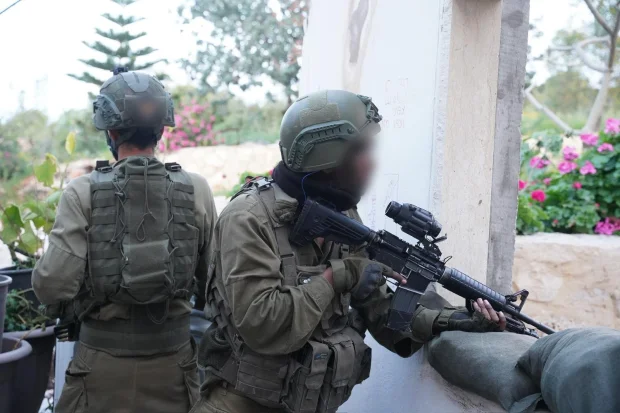
4 IDF soldiers killed, 2 wounded in fighting in southern Lebanon, as Israel eliminates dozens of Hezbollah terrorists

Receive latest news & updates
A message from All Israel News
Help us educate Christians on a daily basis about what is happening in Israel & the Middle East and why it matters.
For as little as $10, you can support ALL ISRAEL NEWS, a non-profit media organization that is supported by readers like you.
Latest articles:
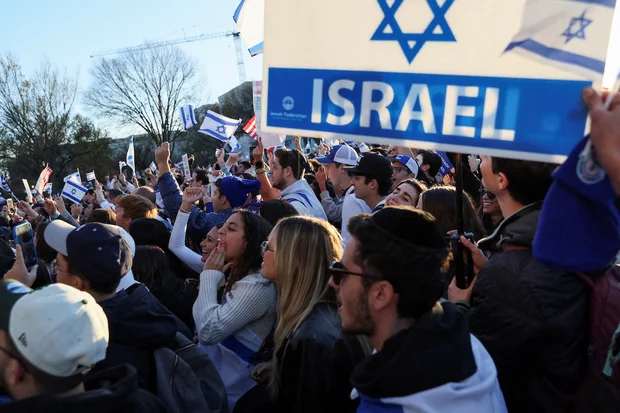
North American Jewish organizations to recruit 100 professionals to combat antisemitism
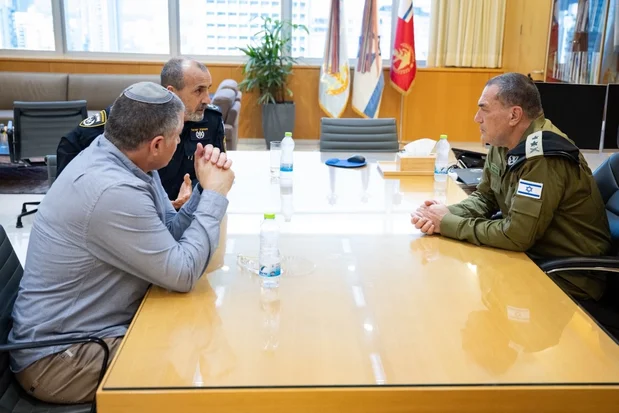
‘No need’ for pre-election Iran strike, IDF chief says as gov’t, opposition trade blame for potential escalation – report
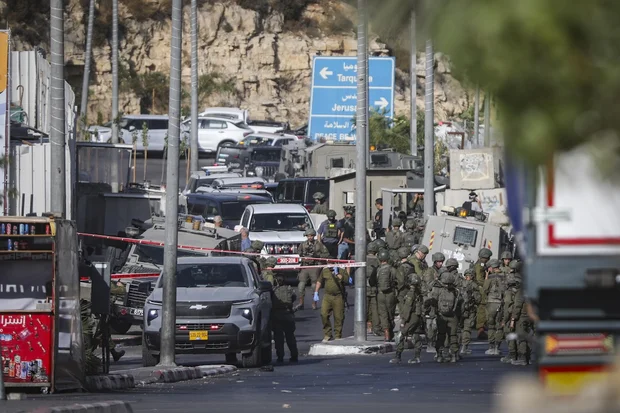
terror attack 2 Israeli soldiers killed, 2 terrorists eliminated in Hebron shooting; IDF says much larger attack was prevented
analysis A people dwelling securely? Israel’s strategic standing, 3 years after Oct 7
Hamas on wheels: What I found in Dearborn reveals a troubling history and a battle over Israel