








US CENTCOM destroys 5 Iranian oil tankers over attacks on US naval warships
Military says it will target Iranian vessels for every attack on US ships
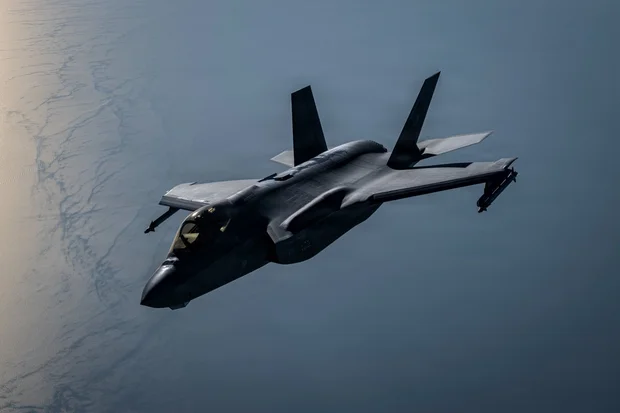
U.S. Central Command (CENTCOM) destroyed five Iranian crude oil tankers overnight, after the Islamic Revolutionary Guard Corps (IRGC) targeted a U.S. Navy warship with ballistic missiles twice over the past two days.
According to CENTCOM, the U.S. ship evaded Iran's attacks on both occasions, with no injuries to any of the American sailors.
However, in response to those IRGC attacks, the U.S. military struck five Iranian tankers after first contacting the ships and instructing the crew to abandon the vessels.
The strikes were part of the new U.S. policy announced by CENTCOM commander, Admiral Brad Cooper, on Saturday.
CENTCOM forces destroyed five Iranian crude oil carriers, Sept. 8, after the Islamic Revolutionary Guard Corps (IRGC) targeted a U.S. Navy warship with ballistic missiles twice over the past two days. The U.S. warship successfully evaded the attempted Iranian attacks and… pic.twitter.com/Gi8a2tloN1
— U.S. Central Command (@CENTCOM) September 8, 2026
“Let the message to the IRGC be clear: If you shoot at two of our ships, we will impose an even higher economic cost – taking out three of yours,” Cooper said on Saturday. “We will not hesitate to defend American forces, and if necessary, destroy Iran’s limited and exposed oil fleet.”
Following the strikes, the IRGC warned crews aboard oil tankers in neighboring Kuwait and Bahrain to immediately leave their vessels.
🎥 اطلاعیه شماره ۱۵ سپاه؛
— خبرگزاری جمهوری اسلامی - ایرنا (@IRNA_1313) September 9, 2026
۲ فروند شناور آمریکایی، هشت فروند نفتکش و ۱۰ فروند کشتی متخلف با قصد عبور از منطقه ممنوعه و ناایمن تنگه هرمز، مورد هدف قرار گرفتندhttps://t.co/Mqf484a9yi pic.twitter.com/plwv1pAxNq
Early Wednesday morning, the IRGC released a video on Iranian media showing what it described as launches that targeted two American vessels and 18 ships, including tankers, that were attempting to cross the Strait of Hormuz outside of the IRGC-controlled zone.
No reports of vessels being hit had been reported as of publication.
According to a Reuters report, shipping traffic through the strait remains below the pre-war average.
For the first time in months, Iranian forces used medium-range ballistic missiles armed with cluster munitions to attack US forces in Jordan tonight. pic.twitter.com/DamphtCrT8
— OSINTtechnical (@Osinttechnical) September 8, 2026
At the same time, IRGC forces launched at least 20 ballistic missiles towards U.S. facilities in Jordan. Videos on social media appeared to show the use of cluster munitions in several of the missiles.
The Jordanian military later said it had destroyed 18 of the 20 missiles, while stating the remaining two fell in unpopulated areas.
In the last 30 minutes, Jordanian accounts have published footage reporting a significant Iranian attack against Muwaffaq Salti Air Base in Jordan.
— Joe Truzman (@JoeTruzman) September 8, 2026
The base hosts US forces. pic.twitter.com/zSawE3uRua
Following the exchange, U.S. Secretary of State Marco Rubio affirmed that the military would continue to target Iranian tankers in retaliation for attacks on American military vessels.
“Iran continues to try to hit US naval ships, and for every time they do that or try to do that, they’re going to lose tankers,” Rubio said during his official visit to Colombia, where he met with new Colombian President Abelardo De La Espriella.
SECRETARY RUBIO: Iran continues to try to hit U.S. naval ships, and every time they try to do that, they're going to lose tankers. pic.twitter.com/IFo46Vh9GR
— Department of State (@StateDept) September 8, 2026
Mohsen Rezaei, the new head of Iran’s Supreme National Security Council, said on Sunday that his country plans to set up an “exclusion zone” outside the Strait of Hormuz to prevent vessels from attempting to cross outside of the IRGC-controlled northern route.
“Any ship that enters this area with the intention of passing through the Strait of Hormuz and is identified will be placed on our sanctions list,” Rezaei said.
Rezaei had previously touted the testing of a new ballistic missile against a U.S. warship, apparently referring to an incident over the weekend in which several ballistic missiles were launched at U.S. warships.
In response to that attack, the U.S. struck several Iranian tankers, and Cooper announced the new strategy of targeting Iranian oil tankers in retaliation for attacks on U.S. vessels.
On Tuesday, the IRGC claimed to have captured a U.S. underwater drone near the entrance of the Strait of Hormuz.
“We trapped one of the most modern, intelligent and unmanned submarines of the terrorist American army at the entrance to the Strait of Hormuz. This submersible is equipped with the latest technologies," the IRGC Navy said in a statement published in Iranian state media.
The drone appeared to be produced by U.S. defense firm Anduril.
On Tuesday, the U.S. Treasury Department announced fresh sanctions on Iran’s aviation sector, intended to target firms that often function as front companies to help the regime evade trade restrictions.
Popular article:

interview Easter message of resurrection hope amid war at Jerusalem's Garden Tomb
biblical commentary Let my people go: a Passover message for today
4 IDF soldiers killed, 2 wounded in fighting in southern Lebanon, as Israel eliminates dozens of Hezbollah terrorists

Receive latest news & updates
A message from All Israel News
Help us educate Christians on a daily basis about what is happening in Israel & the Middle East and why it matters.
For as little as $10, you can support ALL ISRAEL NEWS, a non-profit media organization that is supported by readers like you.
Latest articles:
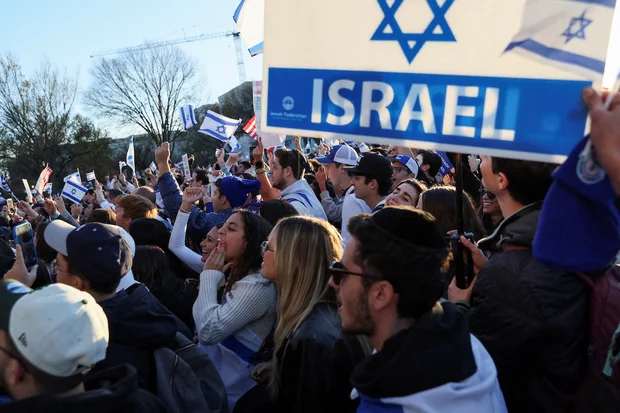
North American Jewish organizations to recruit 100 professionals to combat antisemitism
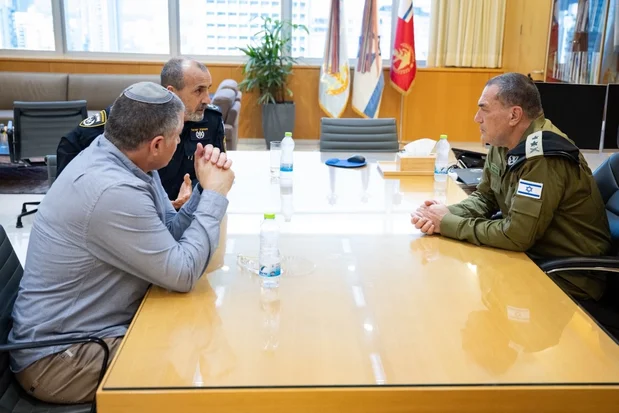
‘No need’ for pre-election Iran strike, IDF chief says as gov’t, opposition trade blame for potential escalation – report
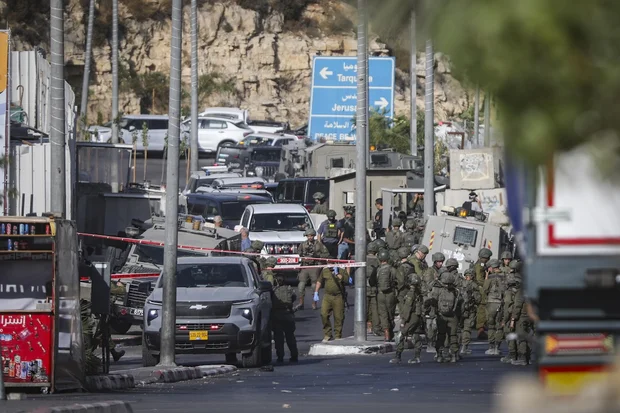
terror attack 2 Israeli soldiers killed, 2 terrorists eliminated in Hebron shooting; IDF says much larger attack was prevented
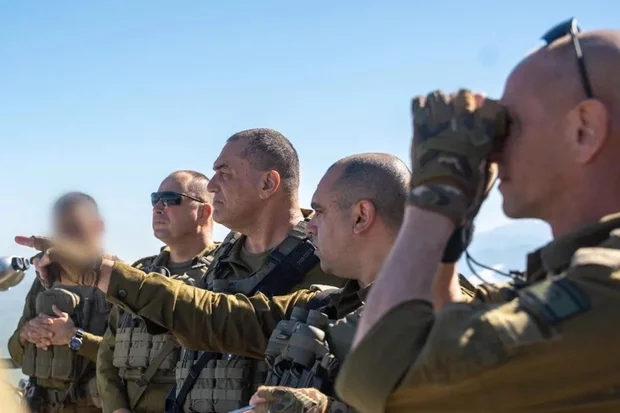
analysis A people dwelling securely? Israel’s strategic standing, 3 years after Oct 7
Hamas on wheels: What I found in Dearborn reveals a troubling history and a battle over Israel