UN special rapporteur calls for imposing sanctions on Israel to force end to Rafah operation
Francesca Albanese has history of anti-Israel and antisemitic comments
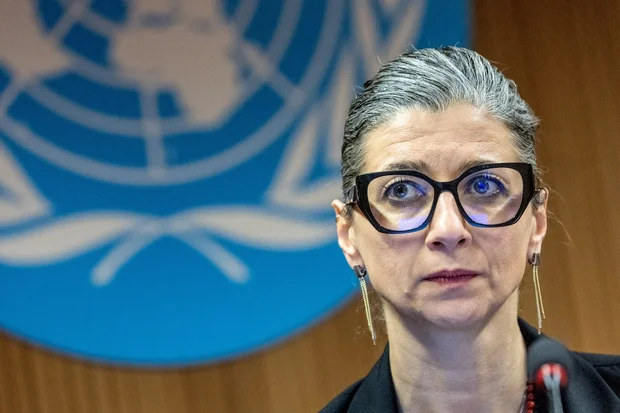
UN Special Rapporteur Francesca Albanese on Saturday called for imposing sanctions on Israel and advocated for international pressure to halt attacks in Rafah, saying, “Israel will not stop this madness until we make it stop.”
In a message posted to social media, Albanese called for imposing sanctions, arms embargoes and the suspension of diplomatic relations.
“Be sure: Israel will not stop this madness until WE make it stop. Member states must impose #sanctions, arms embargo and suspend diplo/political relations with Israel till it ceases its assault,” the UN rapporteur posted to her 𝕏 account.
Let's be clear. As the ICJ orders Israel to stop its offensive in Rafah, Israel intensifies its attacks on it.
— Francesca Albanese, UN Special Rapporteur oPt (@FranceskAlbs) May 24, 2024
The news I am receiving from the people trapped therein are terrifying.
Be sure: Israel will not stop this madness until WE make it stop. Member states must impose… https://t.co/64SQbOKNXz
Albanese quoted a post from the Palestinian Centre for Human Rights (PCHR), which claimed that the International Court of Justice (ICJ) ordered Israel to “immediately halt its military offensive.”
PCHR also said the “International community must ensure Israel’s compliance with all provisional measures orders.”
Albanese’s post came after Israel stated the IDF is already acting in compliance with the order issued by the International Court of Justice (ICJ) on Friday.
Israel’s Foreign Ministry and National Security Council issued a statement and noted the language used in the ICJ order.
“Israel has not and will not conduct military actions in the Rafah area which may inflict on the Palestinian civilian population in Gaza conditions of life that could bring about its physical destruction in whole or in part.”
Israel confirmed it is adhering to the interpretation of the order supported by four ICJ judges, including Court Vice President Julia Sebutinde, who warned against misinterpreting the ICJ ruling as prohibiting Israel from conducting its military operations in Rafah.
However, many pro-Palestinian groups have interpreted the order to say the IDF must cease its operations in Rafah.
Albanese, an Italian international lawyer, has a long history of criticizing Israel and has faced multiple accusations of antisemitism.
In February, she posted a response to French President Emmanuel Macron, who had called the Oct. 7 attacks “the worst antisemitic massacre of our century.” Albanese claimed, “The victims of 7/10 were killed not because of their Judaism, but in response to Israel’s oppression.”
In addition, she has accused the United States and Europe of being controlled by Jewish interests and speaking of “Israel’s greed.”
In her post about the ICJ ruling, Albanese wrote: “Let's be clear. As the ICJ orders Israel to stop its offensive in Rafah, Israel intensifies its attacks on it,” she posted.
Popular article:

interview Easter message of resurrection hope amid war at Jerusalem's Garden Tomb

biblical commentary Let my people go: a Passover message for today

4 IDF soldiers killed, 2 wounded in fighting in southern Lebanon, as Israel eliminates dozens of Hezbollah terrorists

Receive latest news & updates
A message from All Israel News
Help us educate Christians on a daily basis about what is happening in Israel & the Middle East and why it matters.
For as little as $10, you can support ALL ISRAEL NEWS, a non-profit media organization that is supported by readers like you.
Latest articles:
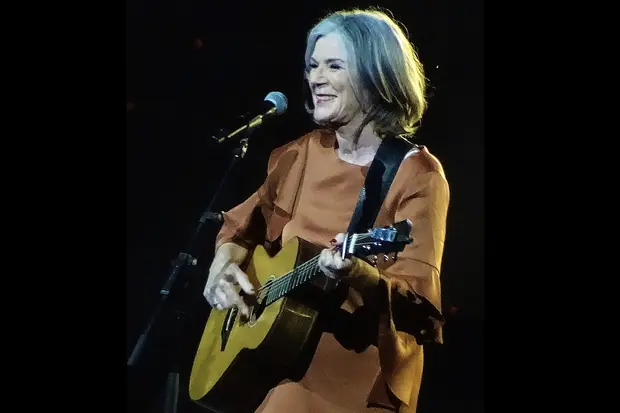
1969 Dutch Eurovision winner Lenny Kuhr moves to Israel – cites antisemitism, family ties
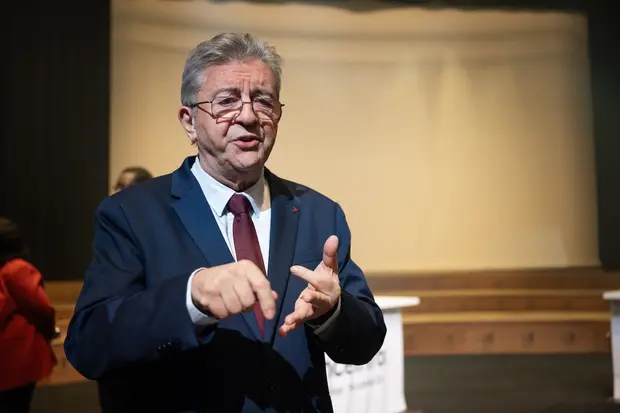
Israel bars French far-left leader Mélenchon in response to France's entry ban on settlement leader

Change Bloc divided over coalition with Arab or ultra-Orthodox parties after week of negotiations

Huckabee fires back as Senate Democrats target US-Israel intelligence ties: 'Shocking!'
Israeli blood test detects early breast cancer with 95% accuracy, assesses recurrence risk