







UAE cuts state funding for citizens studying in UK universities, citing fears of extremism
Emirati government has ‘zero-tolerance’ policy regarding Muslim Brotherhood ties
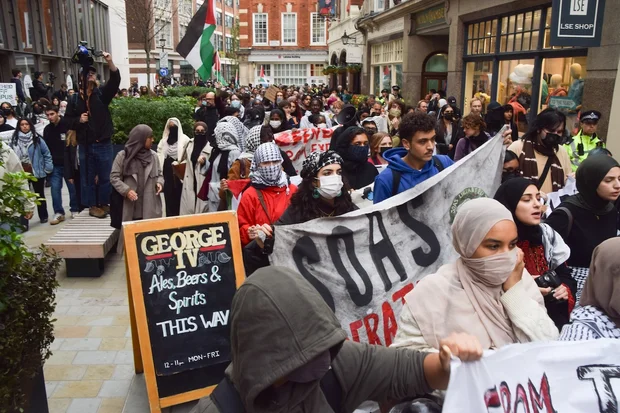
The United Arab Emirates has begun restricting the enrollment of its citizens in British universities, citing concerns that they could be radicalized by Islamist groups, according to reports last week by The Times and the Financial Times.
The UAE’s Ministry of Higher Education published a list of approved institutions eligible for scholarships covering travel and study in the coming academic year. Unlike in previous years, no universities from the United Kingdom appeared on the list. Institutions in the United States, Australia, Israel and France were included.
BREAKING:
— Visegrád 24 (@visegrad24) January 9, 2026
The UAE announces it will cuts funds for citizens who want to study in the UK out of fear of Emirati students being radicalized by Muslim Brotherhood Islamists on British campuses.
An Arab state now views a European state as a dangerous Islamist radicalization hotspot pic.twitter.com/uqCxDuDwvr
The restrictions take the form of limits on government funding for students wishing to study in the United Kingdom, rather than an outright ban on enrollment in British universities, allowing wealthier students to enroll if they can cover the costs independently.
The Times cited “officials with knowledge of the situation,” who said that UAE officials are concerned about the influence of the Muslim Brotherhood and other radical groups on British students who are Muslim.
The Muslim Brotherhood is a proscribed organization in the UAE, and the Emirates have long called on European nations to do the same.
An anonymous official told the Financial Times that the UAE doesn’t “want their kids to be radicalized on campus.”
It is not just the UK. It is #Ireland too.
— Amjad Taha أمجد طه (@amjadt25) January 10, 2026
And the #UAE will not send its students to become hostages of Islamist jihadist ideology disguised as campus activism. Education is meant to free the mind, not imprison it inside hatred, intimidation, and fear. Universities were built to… pic.twitter.com/SRvGfgC99R
The UAE offers generous grants to high-performing students seeking degrees in fields considered a priority for the government. The grants cover tuition, living expenses, travel to the country of study and health insurance.
Under President Sheikh Mohammed bin Zayed al-Nahyan, the UAE has imposed harsh restrictions on the activities of Islamist groups linked to terrorist activities in other countries and has encouraged other nations to follow in limiting the role of political Islam. Since 2014, the Muslim Brotherhood has been designated as a terrorist organization, with the government enforcing a zero-tolerance policy regarding membership. The UAE brought 84 citizens to trial over ties to the group in 2024, ultimately handing down life sentences for 43 of them.
Amjad Taha, an Emirati expert on strategic and political affairs, posted a list of universities in the UK where Muslim Brotherhood–linked networks were reported to be operating.
List of Universities Where Muslim Brotherhood–Linked Extremist Networks Are Reported to Operate Recruitment and Radicalisation Activities:
— Amjad Taha أمجد طه (@amjadt25) January 10, 2026
United Kingdom
1. University of Birmingham
2. University of Manchester
3. SOAS University of London
4. University of Bradford
5. Queen…
Khaled Hassan, a national security and geopolitical researcher, said the UAE’s decision to halt all federal funding for study in the UK came after “months of directly engaging with the UK.”
“Are you surprised the UAE decided Britain is too Islamist and extremist for Emirati students?” Hassan wrote on 𝕏. “Let me tell you something no one else will.”
“This announcement comes after months of directly engaging with the UK. The UAE finally realised that Keir Starmer will never do anything they suggest and that he basically has no interest whatsoever in fighting Islamist extremism,” Hassan continued. “A decision was then made to go public with this announcement to safeguard Emirati students and to publicly send a message to Starmer and the people of the UK.”
Nigel Farage, head of the Reform UK party, has vowed to impose a similar ban on the Muslim Brotherhood as in the UAE if he becomes prime minister. Farage, whose party is ahead in recent polling, visited the UAE on a trip paid for by the Emirati government, partly in order to learn about the UAE’s reforms against political Islam.
Popular article:
interview Easter message of resurrection hope amid war at Jerusalem's Garden Tomb

biblical commentary Let my people go: a Passover message for today

4 IDF soldiers killed, 2 wounded in fighting in southern Lebanon, as Israel eliminates dozens of Hezbollah terrorists
Receive latest news & updates
A message from All Israel News
Help us educate Christians on a daily basis about what is happening in Israel & the Middle East and why it matters.
For as little as $10, you can support ALL ISRAEL NEWS, a non-profit media organization that is supported by readers like you.
Latest articles:

Israeli fighter jets flew to Iranian border in ‘power projection,’ deterrence exercise ahead of elections next week

Israeli intel chief Zini travels to France to give counterterrorism advice amid violent riots – report
Founding trustee of Oxford’s Islamic studies department believed Muslims should ‘continue the work of Hitler’

'Peaceful dialogue is not a crime:' Petition urges Lebanon to abolish its Israel Boycott Law
Israeli defense companies expand global reach with new deals in Cyprus, Germany and Canada