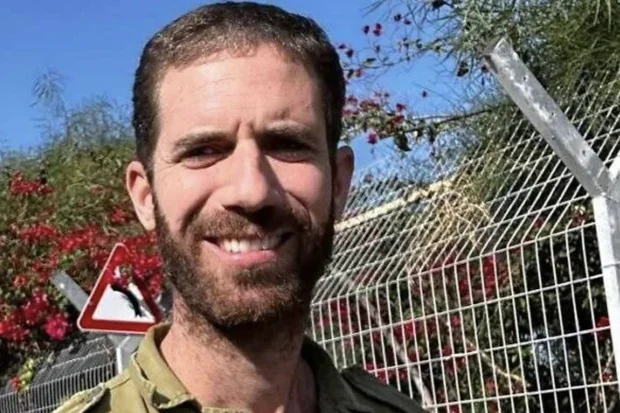
Released US-Israeli hostage Keith Siegel sends 'urgent' message to Trump to facilitate release of all remaining hostages
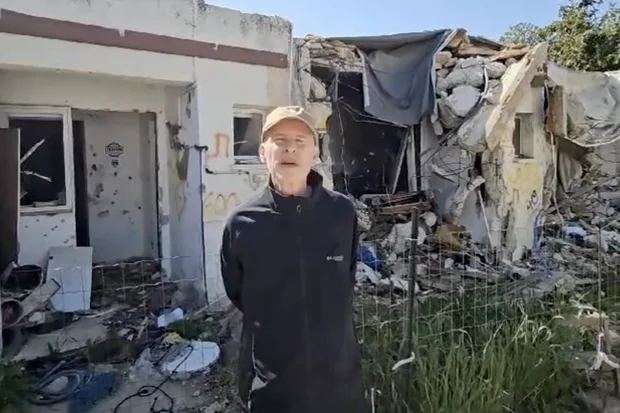
Keith Siegel, a dual American-Israeli national and a former hostage who was released earlier this month, urged U.S. President Donald Trump to urgently facilitate the return of the remaining hostages held by Hamas terrorists in Gaza.
“I wanted to say once again how urgent it is to get all of the hostages out of Gaza and back home to their families,” Siegel stated in a video message to the American president. He also thanked Trump for all of his efforts on behalf of the hostages and their families.
“You have done so much so far, and we all urge you to continue your efforts and use your ability to allow more progress in the hostage exchange deals.”
In his video message, Siegel emphasized the vast destruction that Hamas terrorists inflicted in his home community of Kfar Aza during the Oct. 7 terror attack.
“I am now standing in front of a home in Kfar Aza, the kibbutz where I live,” Siegel said. “You can see the enormous destruction that Hamas did on the October 7 massacre on Kibbutz Kfar Aza. It’s kind of hard to comprehend what I’m seeing today.”
Trump reposted Siegel’s video post on his social media platform, Truth Social, on Saturday evening.
Siegel (65) is originally from Chapell Hill, North Carolina, but moved to Israel in 1980, where he became an occupational therapist.
On Oct. 7, 2023, Siegel and his wife Aviva were kidnapped from their home in Kfar Aza, a rural community near the Gaza border. Aviva was released during the first hostage deal in November 2023.
In April 2024, Hamas released a propaganda video with Siegel and fellow hostage Omri Miran. At the time, Siegel and Miran were forced to address their families and the Israeli government in pre-scripted statements from the Hamas terror group which aimed to maximize the psychological terror.
Last month, ALL ISRAEL NEWS Editor-in-Chief Joel Rosenberg spoke to Aviva Siegel on THE ROSENBERG REPORT ahead of the release of her husband from captivity in Gaza.
“What was the last thing that you said to Keith? What was that moment like?” Rosenberg asked.
“I saw him lying on a filthy, dirty mattress and looking at the ceiling. He looked sad because it was the first time that we were separated in different rooms,” Aviva Siegel recounted. “I bent down, and I said to him, ‘You be strong for me, and I'll be strong for you’,” she stated.
Prior to his release earlier this month, Hamas forced Keith Siegel to write a “thank you letter” to his captors.
“The Hamas terrorists who held Keith forced him to write them a detailed ‘thank you’ letter. This is one of many examples of Hamas’ cruel and cynical behavior, and the urgency of returning all the hostages back to Israel,” Siegel’s family stated.
The thank you letter read: “My guards during this period took care of all my needs, food and drink, medicine, vitamins, eye drops, a blood pressure measuring device and more. They also made sure I got a doctor's checkup when I felt unwell for a long time… They made sure I had food that suited my health needs.”
Popular article:

interview Easter message of resurrection hope amid war at Jerusalem's Garden Tomb

biblical commentary Let my people go: a Passover message for today

4 IDF soldiers killed, 2 wounded in fighting in southern Lebanon, as Israel eliminates dozens of Hezbollah terrorists

Receive latest news & updates
A message from All Israel News
Help us educate Christians on a daily basis about what is happening in Israel & the Middle East and why it matters.
For as little as $10, you can support ALL ISRAEL NEWS, a non-profit media organization that is supported by readers like you.
Latest articles:

1969 Dutch Eurovision winner Lenny Kuhr moves to Israel – cites antisemitism, family ties
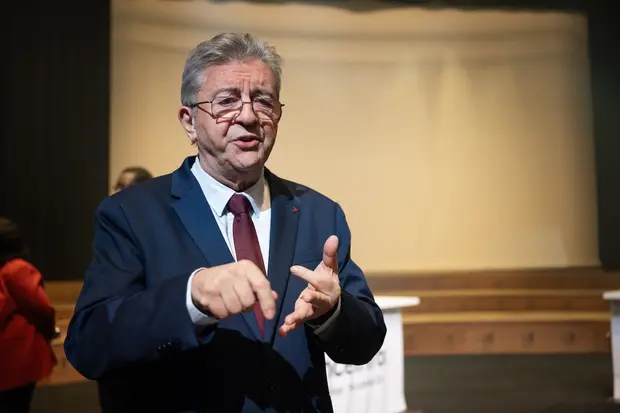
Israel bars French far-left leader Mélenchon in response to France's entry ban on settlement leader
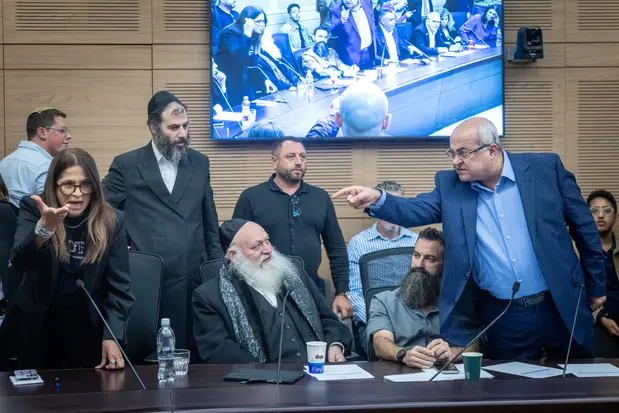
Change Bloc divided over coalition with Arab or ultra-Orthodox parties after week of negotiations

Huckabee fires back as Senate Democrats target US-Israel intelligence ties: 'Shocking!'
Israeli blood test detects early breast cancer with 95% accuracy, assesses recurrence risk