





Nearly 29% of Israeli students consider leaving the country after graduation – survey



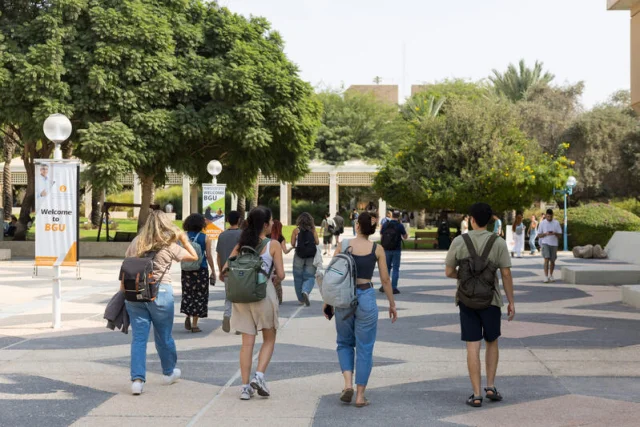
Nearly 29% of Israeli students are considering leaving the country after graduation to seek better opportunities abroad, according to a new survey by the National Union of Israeli Students released on Sunday as the new academic year began.
The survey found that the average Israeli student enrolled in an institution of higher education spends around NIS 6,907 (approximately $2,226) per month on expenses including housing, groceries and transportation. Although 81% of students work while studying, around half of those students also rely on financial assistance from their parents, and 31% continue to live at home.
Among students considering leaving Israel after graduation, 79% said the cost of living was the primary reason, while 46% pointed to the security situation.
Approximately 67% of students said they cannot save money regularly each month, while 38% said they do not believe they will ever be able to buy a home.
The average monthly income of students who work while pursuing an academic degree is NIS 6,235 (about $US 2,010), based on an average of 97 hours of work per month, which is less than $21 an hour. Roughly half of working students have jobs related to their field of study.
Like students in the United States, many Israeli students take out loans to cover their expenses while studying. Of those who took out loans, 61% have debts exceeding NIS 20,000 (approximately $6,450), while the average student loan debt is nearly NIS 50,000 (approximately $16,100).
Financial pressures are also affecting students' ability to continue their studies. According to the survey, 33% said they had considered dropping out in the past year because of the difficulty of managing their monthly expenses alongside their studies. Another 22% reported mental health issues that had led them to consider dropping out.
The survey also examined the challenges faced by IDF reservists who returned to their studies after serving in the Iron Swords War since October 2023. Overall, 64% of reservists reported difficulties returning to academic life.
Almost half of the reservists who returned to their studies said their peers, professors and others did not understand their experiences and had difficulty relating to them. Many also reported significant difficulties catching up on academic work they had missed during their IDF service, despite accommodations such as extended assignment deadlines, attendance exemptions and special examination dates.
Another concern among reservists is frustration over what they see as an unequal distribution of military and reserve service obligations. Some 38% said their motivation to report for duty the next time they are called up had been undermined.
The survey also found that 38% of students do not believe their courses are preparing them for the future job market, particularly given changes resulting from the growing use of artificial intelligence.
Elisheva, an Anglo-Israeli student at the Hebrew University of Jerusalem, told ALL ISRAEL NEWS that while students face real financial pressures, she believes the challenges of building a future are not unique to Israel. Her family moved to Israel from Florida when she was nine years old. She believes that students who leave Israel in search of better jobs and more affordable housing may encounter similar financial pressures elsewhere, including the burden of student debt.
She said, in her opinion, "If an Israeli student graduates and tries to go to Europe or Canada or America or whatever to get a better job and buy a house or whatever, they’re going to have the exact same problems that they’d have here, because the economy is down everywhere right now."
You might also like to read this: