Italy raids homes of 17 suspects in neo-Nazi investigation, including 14 minors



Italian security forces on Friday searched the homes of 17 suspects allegedly affiliated with online neo-Nazi and white supremacist networks across the country, including 14 minors.
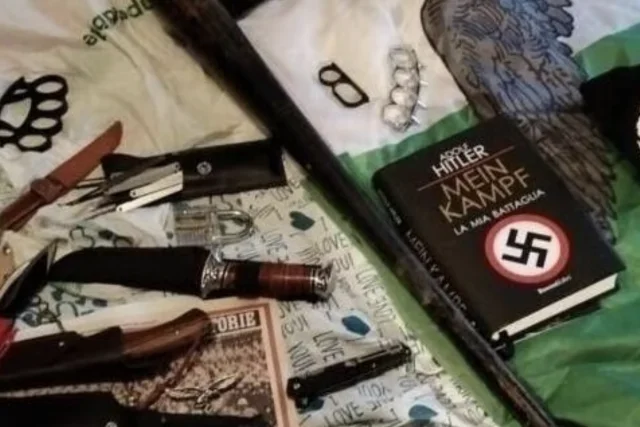
The investigation, led by the Carabinieri’s Special Operations Group (ROS) and the police’s General Investigations and Special Operations Division (DIGOS), uncovered antisemitic propaganda praising Adolf Hitler and displaying SS and other Nazi symbols. Authorities also found evidence that members of the networks had discussed attacks on a synagogue, a mosque and a school as part of what they described as a “mass reset” of Italian society.
Italian investigators said they found instructional materials on weapons and homemade explosives, as well as manifestos glorifying white supremacist attackers including Brenton Tarrant. The suspects are being investigated on allegations of propaganda and incitement to commit crimes based on racial and religious discrimination, with terrorism-related aggravating circumstances.
One of the targeted online groups, “New European Order Chat,” allegedly spread Nazi and white supremacist propaganda, including Holocaust denial and antisemitic material. Another group, calling itself the “Italian Fascist Front,” reportedly shared propaganda targeting Jews, homosexuals and people of color, as well as videos depicting massacres of ethnic minorities.
Members also promoted the U.S.-founded neo-Nazi organization The Base and shared self-training materials and instructions for carrying out attacks.
The investigation comes amid broader concerns in Italy and elsewhere in Europe about the online radicalization of young people into extremist movements. Italian authorities said some of those targeted in Friday’s operation participated in online gaming that simulated the killing of members of ethnic minorities.
An anonymous antisemitic online form was exposed in July, urging Italians to report the presence of Jewish and Israeli tourists across the country. Italy is a popular destination for Israeli tourists, and Jewish community leaders condemned the form, comparing it to the fascist persecution of Jews during World War II.
Italian officials also condemned the form. Senate President Ignazio La Russa linked it to Italy’s fascist past under Benito Mussolini.
“We must not remain indifferent to such serious incidents, which awaken the demons of the past,” La Russa warned.
Despite tensions since October 7, relations between Italy and Israel have remained relatively close under Prime Minister Giorgia Meloni. In 2025, Meloni said Italy would not unilaterally recognize a “Palestinian state” before such a state had been established.
“If something that doesn’t exist is recognized on paper, the problem could appear to be solved when it isn’t,” Meloni said at the time.
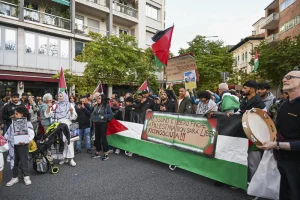
Italy has nevertheless faced significant anti-Israel rallies in recent years, while the Meloni government has faced domestic pressure over its policies toward Israel and the war in Gaza.
You might also like to read this: