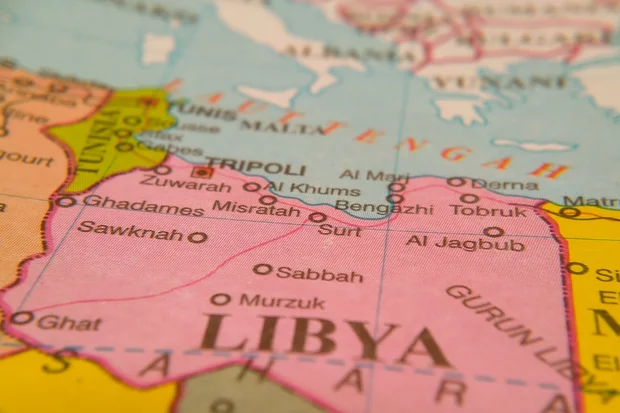









Iran & Turkey are trying to influence Israeli elections, officials warn
Foreign interference seen as the second most concerning threat behind major terror attacks
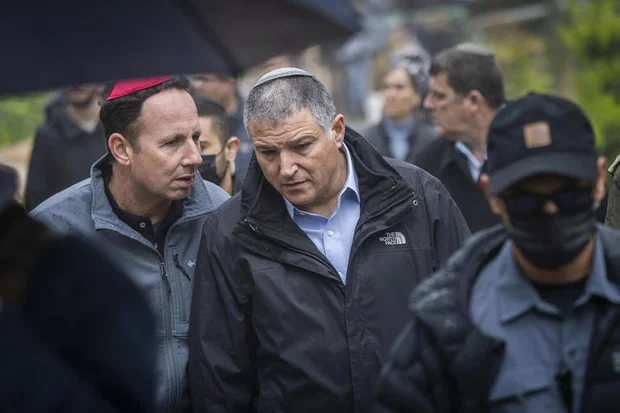
Iran and Turkey are working to influence the upcoming Israeli elections, several Israeli officials warned on Monday as the country is gearing up for a controversial election season.
The most dramatic warning reportedly came from David Zini, director of the domestic intelligence agency Shin Bet, which is responsible for counterintelligence and safeguarding the elections.
According to Channel 13 News, Zini said in a meeting with top officials that the Iranian regime and other countries are looking to interfere with the election process. Sources present in the meeting told the channel that Zini appeared “very disturbed” by the threat, which he ranked as the second most concerning, trailing only behind the concrete threat of major terror attacks.
At the public portion of the classified meeting of the Knesset Subcommittee for Intelligence and Secret Services, chairman Boaz Bismuth affirmed that the election season “will be a central target for enemies of Israel, and there is a substantial fear that elected officials and candidates will be physically harmed.”
At the same meeting, Zini was also expected to brief lawmakers on efforts to track covert flows of money intended to finance political activity inside the country, Kan News reported, adding that the National Cyber Directorate had already stated at previous meetings that indications of attempted election interference had been detected.
Speaking to the Jerusalem Post on Monday, security officials highlighted attempts to influence the elections via social media that emanated from Turkey, though they could not say whether the Turkish government was directly involved.
Terror organizations like Hamas also maintain a presence in the country and could be suspects for such operations.
The officials explained that the activity is meant to influence public opinion and deepen the existing divisions within Israeli society.
Also on Monday, the Post published an interview with Likud lawmaker Amit Halevi, a member of the Knesset's Foreign Affairs and Defense Committee, who warned that Iranian and Turkish influence campaigns were aimed at “regime change” in Jerusalem.
The two countries are pursuing “open, undisguised aspirations to set the agenda in the Middle East and beyond,” Halevi said, “both are bitter enemies, and both have detailed plans for the destruction of the State of Israel.”
“Everyone in the region understands that the rule of the [Israeli political] Right and the rule of Netanyahu is a fortified wall against deterioration,” he said.
Halevi also stressed that efforts to influence the election outcome are inherently legitimate coming from Israeli citizens, “but when it involves a foreign country with foreign interests and a hostile state is behind the influence, it becomes fundamentally invalid.”
“Intervention can be, of course, in the digital age, through various digital means on social networks,” he explained. “This is funding that leads to various actions by different people in different sectors and different regions... to eventually reach a result desired by the hostile state.”
“Any international humanitarian or civil camouflage network [can] bring about harm to the State of Israel,” he said, highlighting the funds that are channeled to Israel-based NGOs from “foreign countries and the European Union.”
The threat of foreign interference in the elections has been raised repeatedly in recent months.
Already last December, State Comptroller Matanyahu Englman warned that Israel faces intensified threats during an election year.
“Foreign influence can disrupt the democratic process – creating chaos on election day, undermining public trust in the system, manipulating voter behavior, distorting results and deepening social divisions,” he said.
Last week, President Isaac Herzog warned about this after meeting with Zini and Central Election Committee Chair and deputy Supreme Court president, Noam Sohlberg.
“Elections are a test for Israeli democracy, and they are also a test for the unity and cohesion of Israeli society,” Herzog said afterward.
Popular article:
interview Easter message of resurrection hope amid war at Jerusalem's Garden Tomb

biblical commentary Let my people go: a Passover message for today
4 IDF soldiers killed, 2 wounded in fighting in southern Lebanon, as Israel eliminates dozens of Hezbollah terrorists

Receive latest news & updates
A message from All Israel News
Help us educate Christians on a daily basis about what is happening in Israel & the Middle East and why it matters.
For as little as $10, you can support ALL ISRAEL NEWS, a non-profit media organization that is supported by readers like you.
Latest articles:
North American Jewish organizations to recruit 100 professionals to combat antisemitism
‘No need’ for pre-election Iran strike, IDF chief says as gov’t, opposition trade blame for potential escalation – report
terror attack 2 Israeli soldiers killed, 2 terrorists eliminated in Hebron shooting; IDF says much larger attack was prevented
analysis A people dwelling securely? Israel’s strategic standing, 3 years after Oct 7

Hamas on wheels: What I found in Dearborn reveals a troubling history and a battle over Israel