Iran threatens civilian targets if US, Israel resume strikes
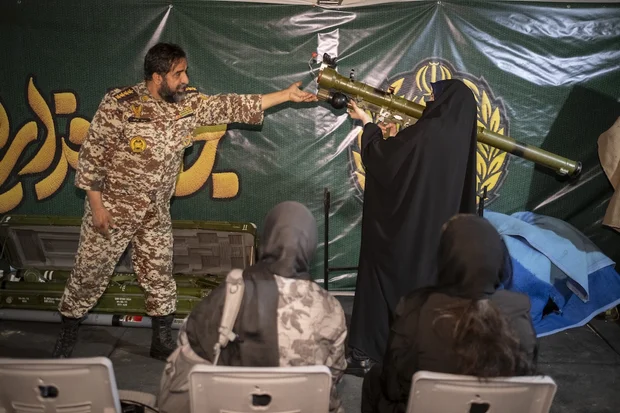
Iran has warned that it would expand its attacks to include civilian and energy infrastructure across the Middle East if the United States and Israel launch a new military campaign against Tehran, according to The Wall Street Journal (WSJ).
The threats come as regional air defense interceptor stockpiles face pressure and Iranian officials signal that the regime is prepared to escalate the conflict.
According to the WSJ, Iran has warned that a renewed campaign would prompt attacks not only on U.S. military bases and warships but also on airports, natural gas pipelines and other economic infrastructure across the Persian Gulf.
The threats raise concerns for U.S. allies in the region, including Saudi Arabia, the United Arab Emirates, Jordan, Bahrain and Qatar, several of which host American military forces.
Iranian parliament member Mohammad-Saleh Jokar warned that countries hosting U.S. forces would face a “harsh response” and "pay a heavy price.”
Jokar also called for the Iranian leadership to authorize the use of nuclear weapons in the event of an American attack, according to Iran International.
"The Islamic Republic's authorities, in defense of the country and for the purpose of deterrence, to permit the use of deterrent weapons, including nuclear weapons, in the event of a U.S. attack on Iran,” Jokar warned.
Iran International reported that Jokar supports suspending Iran’s cooperation with the Nuclear Non-Proliferation Treaty if the United States launches renewed strikes. His remarks reflect a call by an individual lawmaker, rather than an announced decision by the Iranian government to use nuclear weapons.
Iran is not publicly known to possess a nuclear weapon, and Israeli and U.S. strikes in 2025 and 2026 severely damaged several of its nuclear facilities.
Iranian Foreign Minister Abbas Araghchi also warned of the wider consequences of renewed military action in an opinion piece published by the Financial Times, saying new U.S. or Israeli strikes on Iran “will put civilian lives and the well-being of all regional states and the global economy at great risk.”
The latest threats come amid escalating attacks across the region by Iran and its allies. Yemen’s Iran-backed Houthi terrorist militia has carried out multiple missile and drone attacks on Saudi Arabia, including a deadly strike on Riyadh’s international airport that killed at least 13 people and wounded hundreds more.
Although Israeli and U.S. forces severely degraded Iran’s military capabilities during the latest conflict, known in the United States as Operation Epic Fury and in Israel as Operation Roaring Lion, military analysts believe Tehran retains a significant stockpile of ballistic missiles and has resumed some underground production, the WSJ reported.
Some analysts warn that Iran could still inflict significant damage on regional infrastructure, even as its military capabilities have been weakened.
“The consensus in Tehran now believes that deterrence requires imposing immediate, sustained and substantial costs on its adversaries,” said Sina Toossi, an Iran expert at the Center for International Policy.
However, Saeid Golkarat, an expert on Iran’s Islamic Revolutionary Guard Corps (IRGC), argued that Tehran could overextend its capabilities by attempting to carry out all of its threats.
"Iran runs the risk of overreaching if it tries to make good on all its threats," Golkarat assessed, stressing that Iran’s stockpile of missiles is shrinking.
Washington Institute senior fellow Farzin Nadimi said Iran retains the ability to target critical infrastructure but warned that doing so could invite devastating retaliation.
“They certainly have the capability to inflict major damage to the region’s energy and internet infrastructure,” Nadimi explained. “But if Iranians do that, they’ll most likely lose their own in reciprocal attacks,” he predicted.
Meanwhile, Israeli combat aircraft reportedly flew toward the Iranian border in a recent show of force ahead of Israel’s upcoming election. The Israeli government has vowed to respond with overwhelming military force to any Iranian attack.
Popular article:

interview Easter message of resurrection hope amid war at Jerusalem's Garden Tomb

biblical commentary Let my people go: a Passover message for today

4 IDF soldiers killed, 2 wounded in fighting in southern Lebanon, as Israel eliminates dozens of Hezbollah terrorists

Receive latest news & updates
A message from All Israel News
Help us educate Christians on a daily basis about what is happening in Israel & the Middle East and why it matters.
For as little as $10, you can support ALL ISRAEL NEWS, a non-profit media organization that is supported by readers like you.
Latest articles:

Elections 2026 24 hours before Israeli polls open: Eisenkot strives to become largest party, Netanyahu launches last-minute blitz

Netanyahu secures second Trump endorsement one day before contentious elections
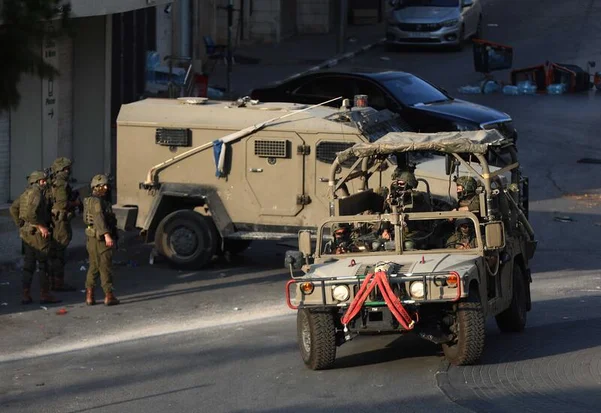
Israeli security forces on high alert ahead of Tuesday’s elections
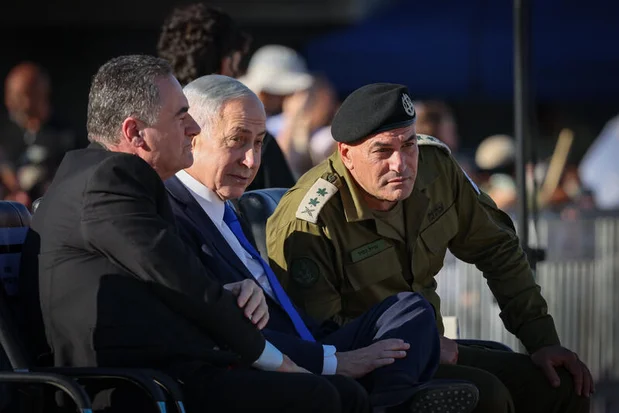
Netanyahu denies report of 'unprecedented' clash with IDF chief over Iran strikes, opposition accuses PM of provoking escalation
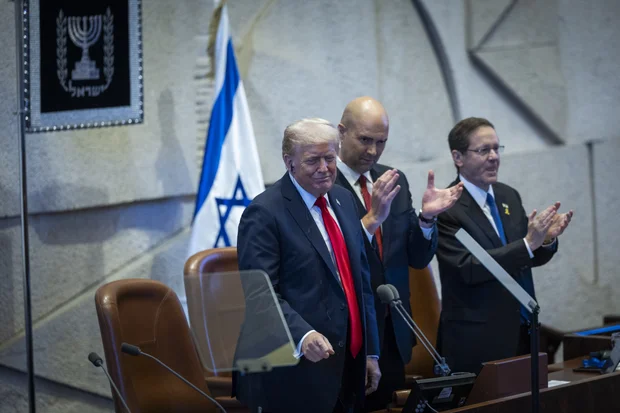
Trump advisors confident US-Israel ties will remain strong even if Netanyahu loses election – report