For such a time as this? Six Knesset newcomers bereaved by Oct 7
Most lean right or center, while four of the six had no established political involvement before the massacre.
The attacks on Oct. 7, 2023, forced many Israelis into action that day and ever since. Some became advocates at home and abroad for loved ones held captive in Gaza; others established organizations or memorial projects after losing relatives in the attacks or the war that followed.
Israel is such a small country that, across political and social divides, few remain untouched by that day. But leadership also tends to emerge in moments of crisis, and for some, that has translated into a pivot toward politics.
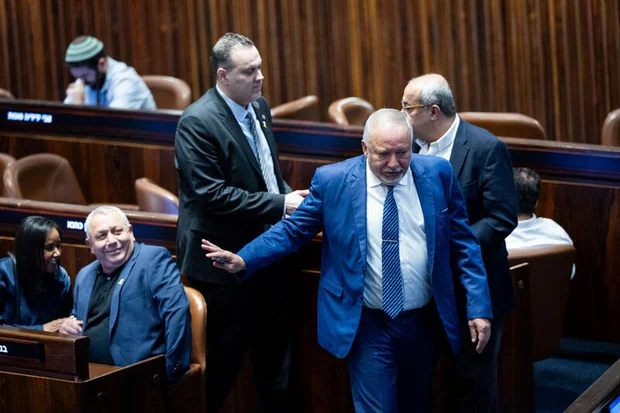
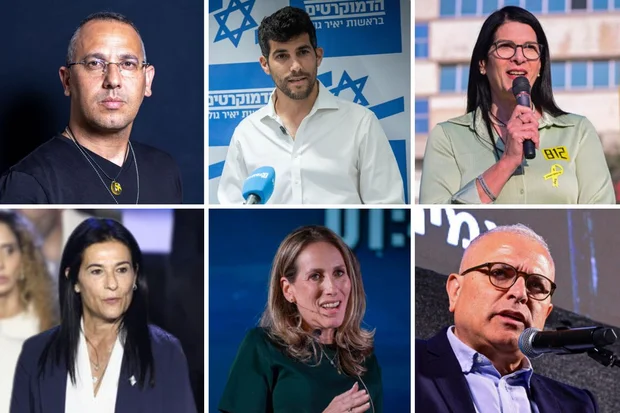
Among the newcomers entering the new Knesset are six whose political paths were shaped, in very different ways, by Oct. 7.
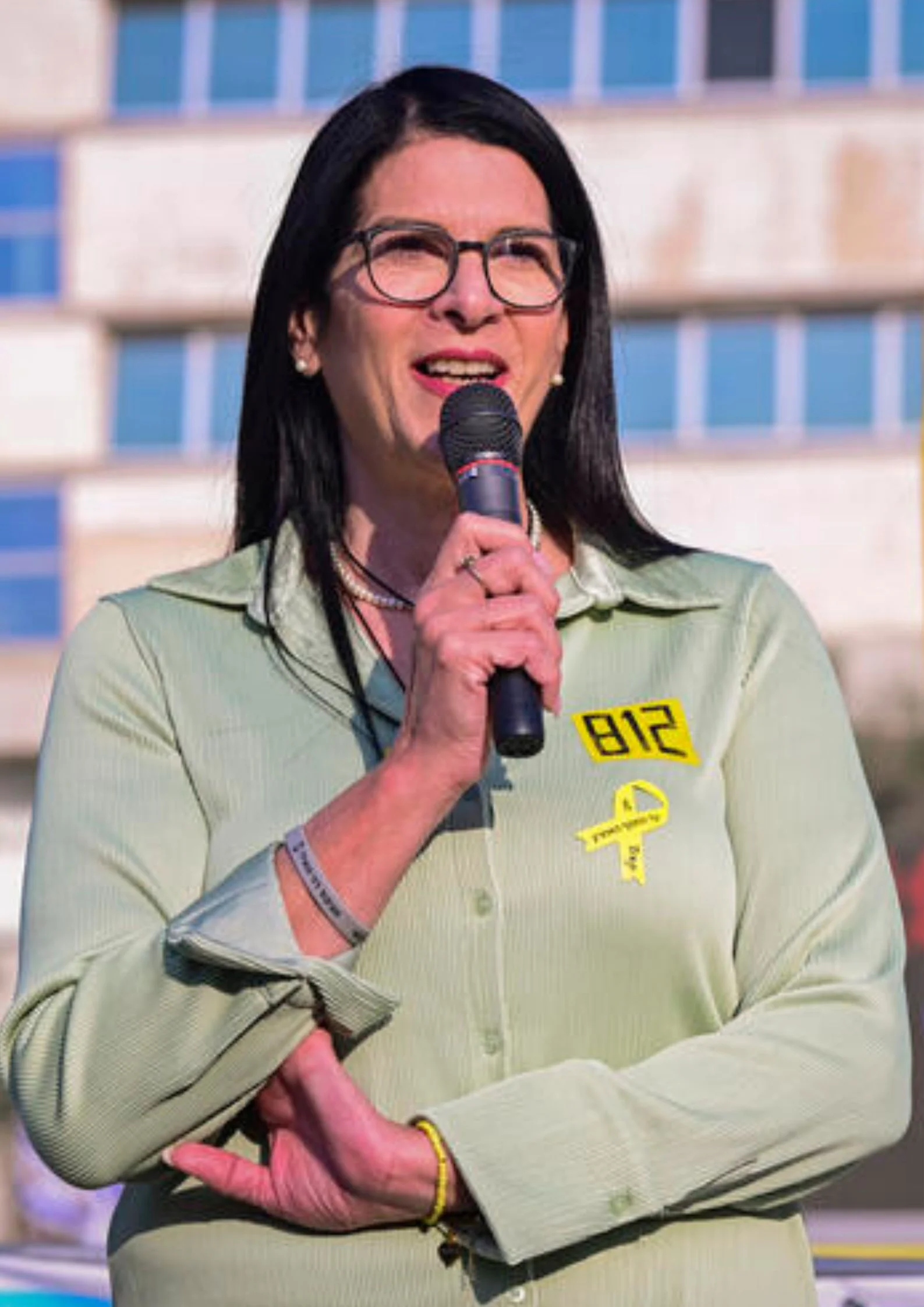
Talik (Tali) Gvili
Tali Gvili is the mother of Master Sgt. Ran Gvili, the last Israeli hostage returned from Gaza. A police officer, Ran was killed in combat on Oct. 7 after rushing to defend Israel’s border. Hamas terrorists abducted his body, which remained in Gaza until its recovery in Operation Brave Heart on Jan. 26, 2026. His return marked the first time since 2024 that no Israeli hostages remained in Gaza, as the clock in Tel Aviv’s Hostages Square stopped after 843 days.
A family lawyer by profession, Gvili aligned herself with the right-wing Tikva Forum, which advocated returning every hostage “by means which strengthen the State of Israel and its security,” in contrast to the Hostages and Missing Persons Families Forum’s emphasis on an immediate deal for their return by any means.
Gvili later joined Prime Minister Benjamin Netanyahu’s Likud party. In a campaign video, she described entering politics as a continuation of her son’s mission to defend Israel and endorsed Netanyahu as a “strong leader” who kept his promise to bring Ran home.
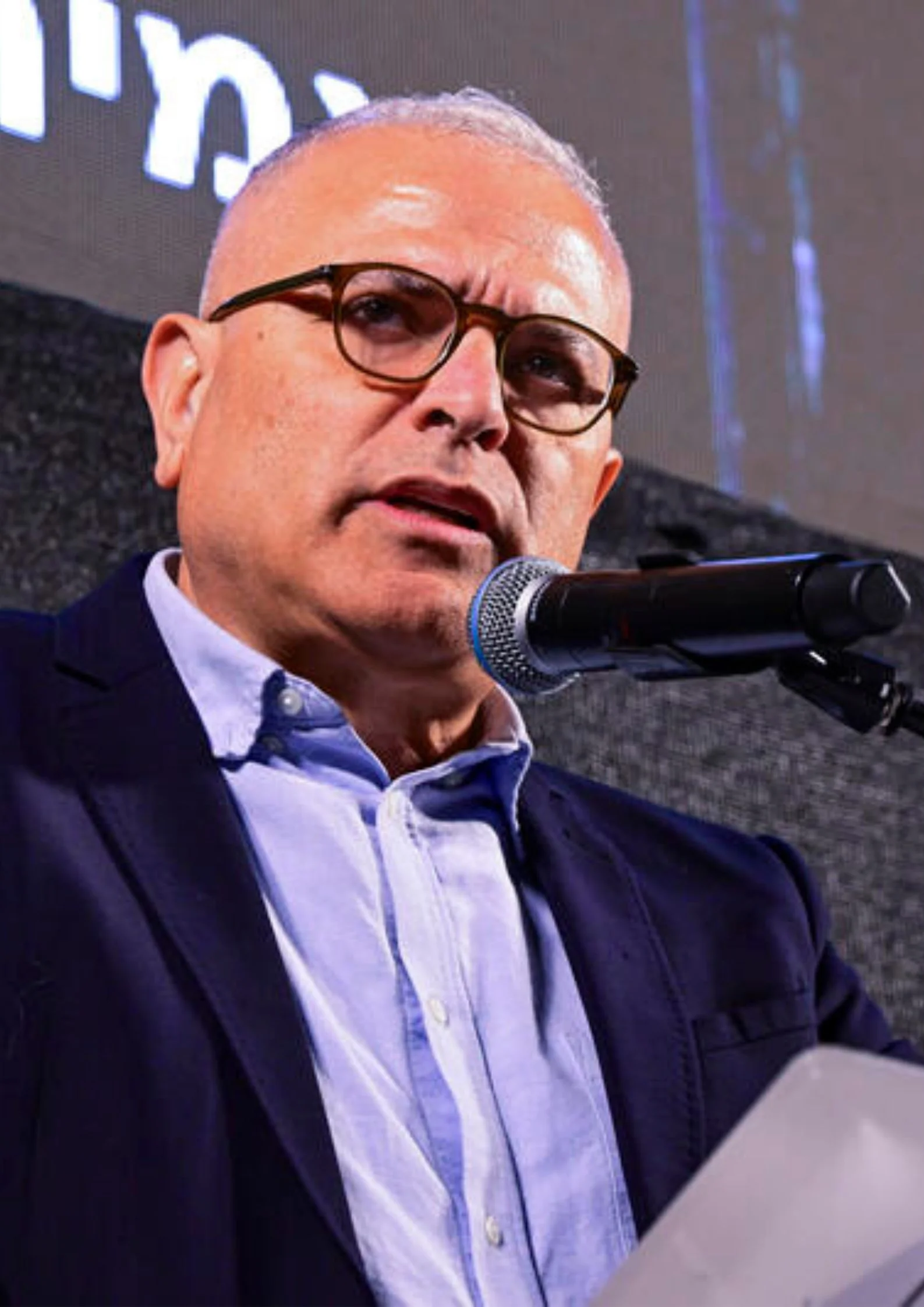
Rafael (Rafi) Ben-Shitrit
Rafi Ben-Shitrit lost his son, combat soldier Elroy Ben-Shitrit, while he was defending the Nahal Oz military base on Oct. 7.
Ben-Shitrit already had extensive political experience. He served on the Beit She’an City Council for more than two decades, including as mayor of the northern Israeli city.
He founded the October Council, an organization representing bereaved families and survivors that has demanded a state commission of inquiry into the failures surrounding the massacre. Its members include former hostage Yarden Bibas.
Ben-Shitrit joined Avigdor Lieberman’s right-wing Yisrael Beitenu, part of the anti-Netanyahu Change Bloc. He called Lieberman the most worthy and experienced candidate, saying he had “remained loyal to the values and ideology of the right” and pointing to Lieberman’s warnings before Oct. 7 of a potential catastrophe along the Gaza border.
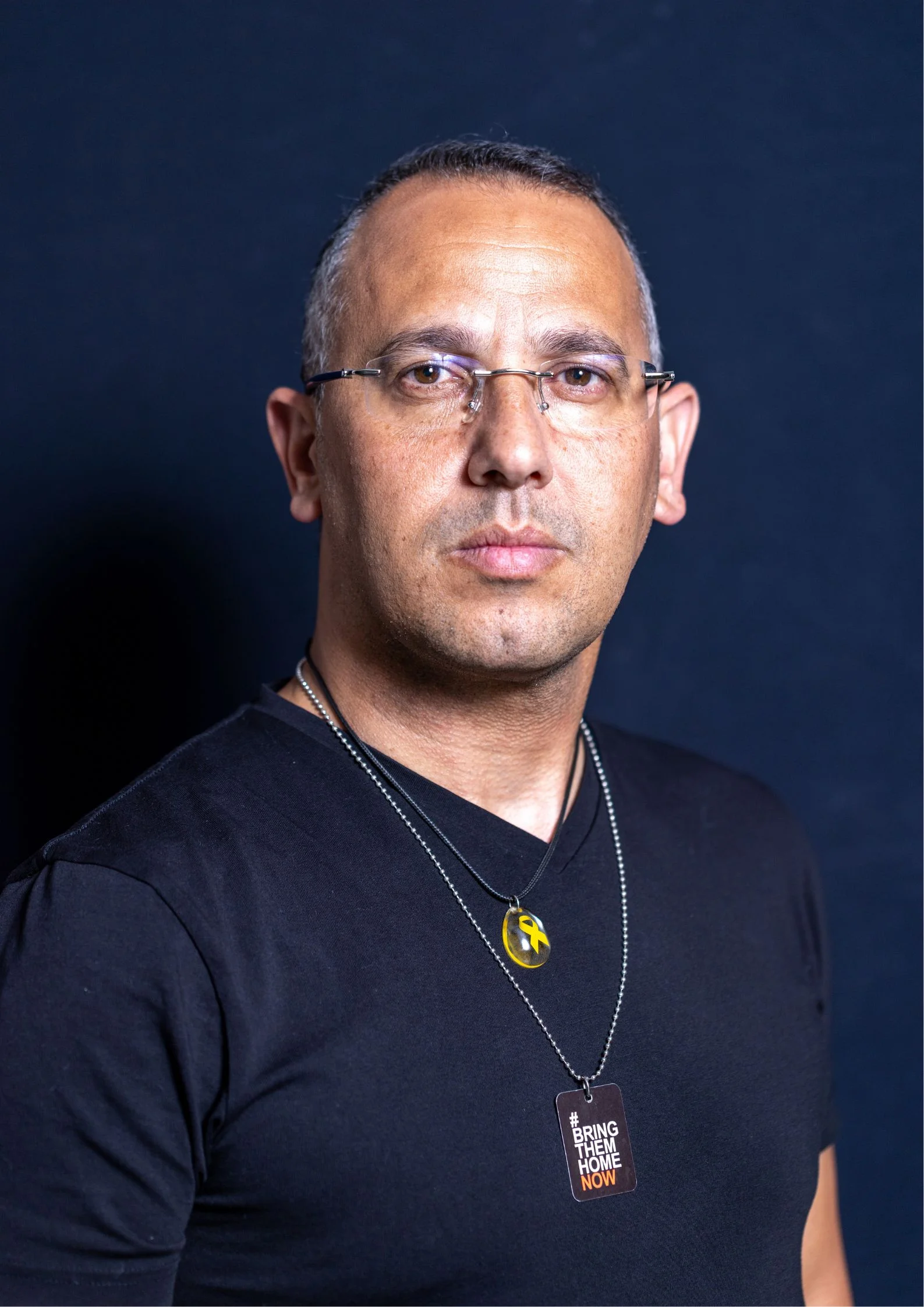
Sharon Sharabi
Sharon Sharabi also joined Yisrael Beitenu after a family tragedy that came to symbolize the hostage crisis.
His brother Yossi was abducted from Kibbutz Be’eri and later killed in Hamas captivity. Another brother, Eli, was taken hostage and released under a ceasefire agreement in February 2025, only to learn that his wife and two daughters had been murdered in their home on Oct. 7.
Sharabi’s religious identity might appear an unusual fit with Yisrael Beitenu’s traditionally secular politics. But when announcing his decision to join the party last May, he called Lieberman “a true right-wing leader,” also emphasizing his prior warnings about Hamas and calls for the elimination of the terrorist organization. Sharabi said Yisrael Beitenu represents what Likud once was: “national, statesmanlike and security-oriented.”

Shira Shapira
Moving toward the center-right, Shira Shapira joined former IDF Chief of Staff Gadi Eisenkot’s Yashar party, also part of the Change Bloc.
Shapira is the mother of First Sgt. Aner Shapira, who was killed on Oct. 7 after repeatedly throwing Hamas grenades back out of a roadside bomb shelter near the Nova music festival, helping save those sheltering inside.
An architect and urban planner, Shapira most recently served as deputy director-general for Tekuma at the Ministry of Heritage and established a foundation commemorating her son’s heroism.
Her Yashar profile presents that combination of public service and personal loss as the foundation of a new sense of responsibility and mission after Oct. 7.
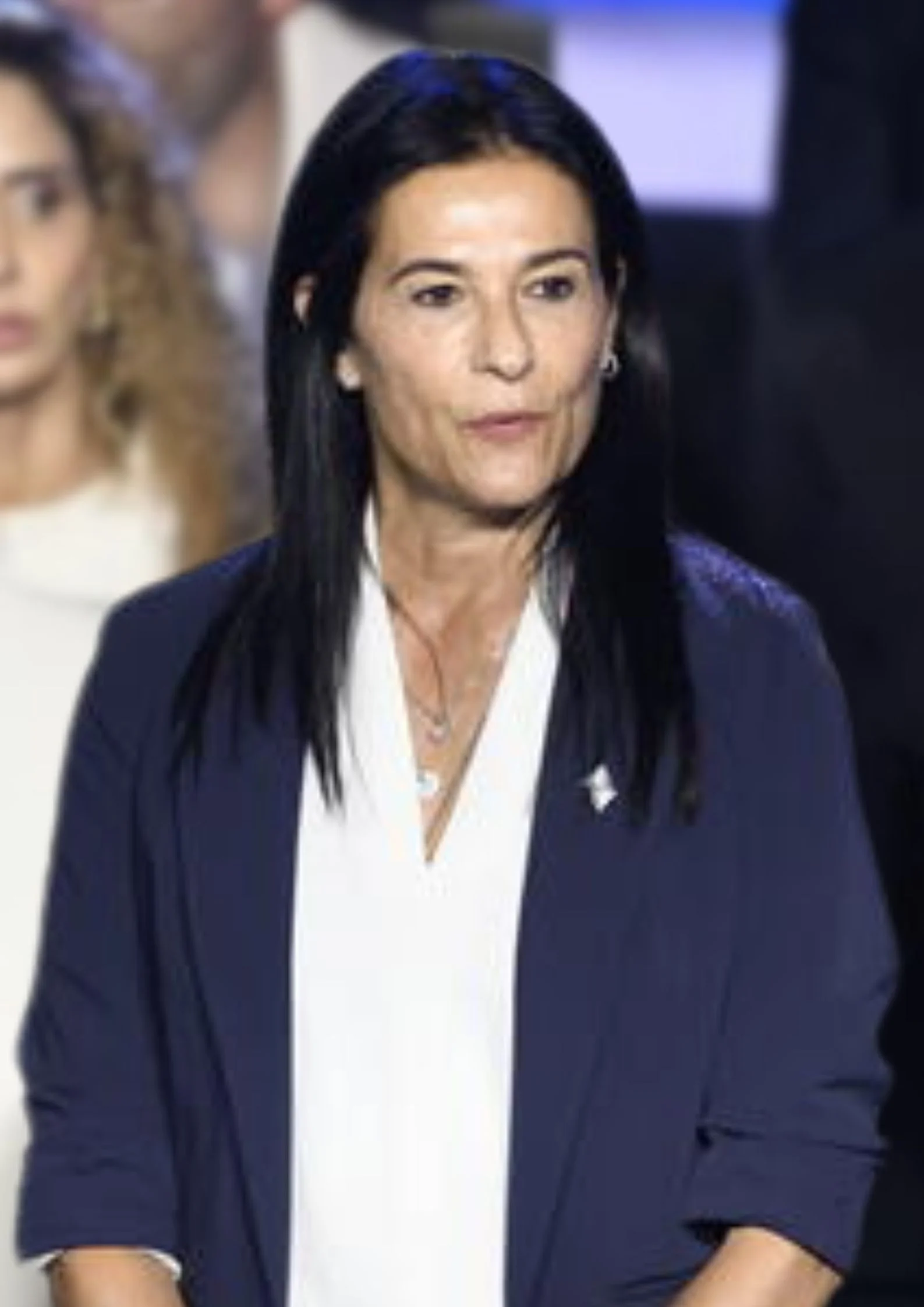
Michal Hirsch Negri
In the center-left camp, Michal Hirsch Negri joined B’Yachad, led by former Prime Minister Naftali Bennett alongside Yair Lapid.
Her son, Roee, was killed fighting at Kibbutz Be’eri on Oct. 7. An educator and former director-general of the Ra’anana municipality, Negri told Reuters that her son told his reserve unit that morning: “We are not looking at the bodies. We are here to save people. We are here to save our country.” She said those words remain engraved in her heart, along with Roee’s “fix it” approach, which she has carried into public life.
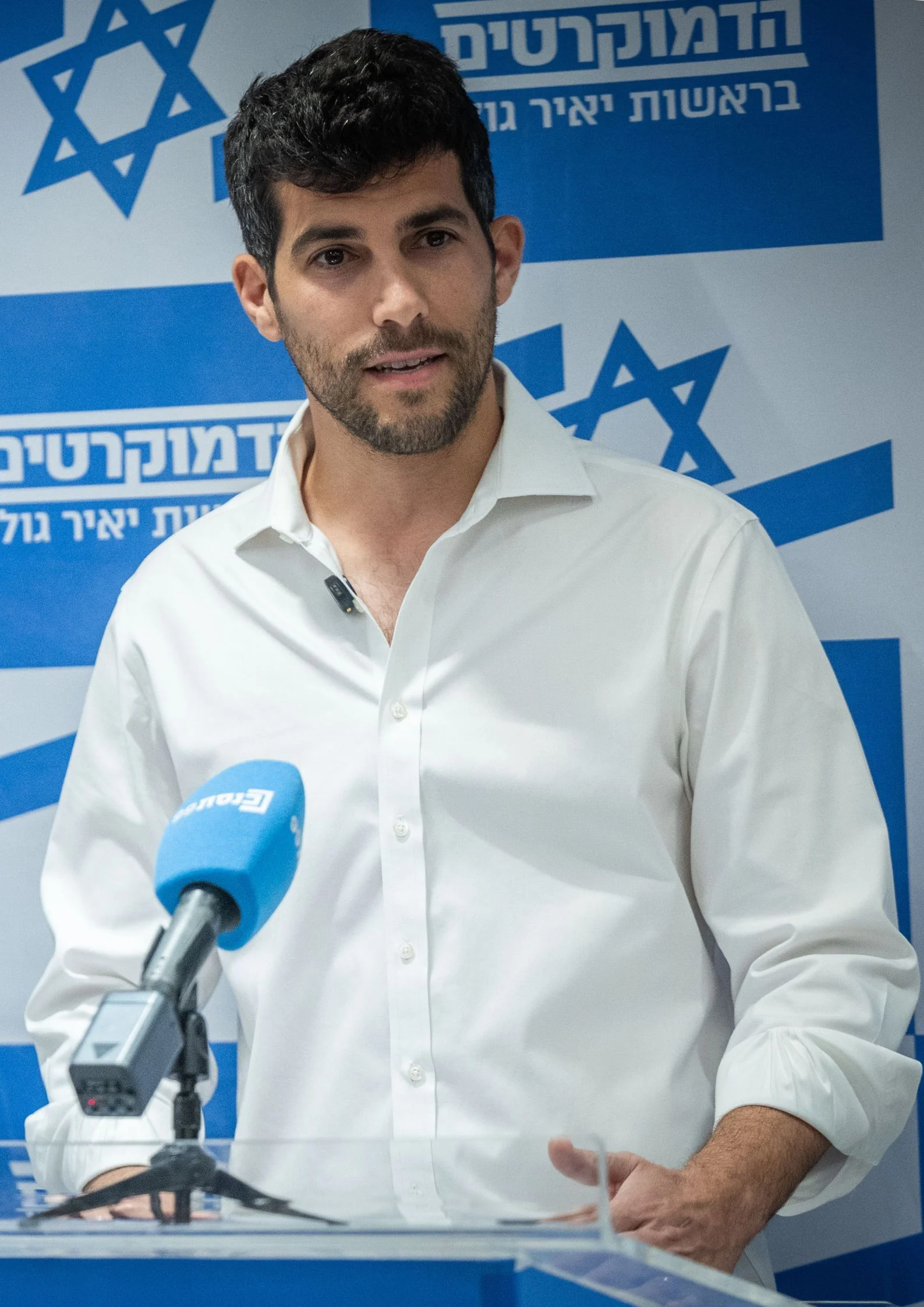
Omri Ronen
On the left, lawyer and reservist Omri Ronen entered the Knesset with The Democrats, led by Yair Golan.
Unlike the others, Ronen was already an activist before Oct. 7, as one of the leaders of Brothers and Sisters in Arms, which also organized protests against the government’s judicial reform.
On Oct. 7, Ronen fought along Israel’s southern border. His grandmother, Nina Ronen, a pioneer of Kibbutz Kfar Aza, was murdered in her home alongside her Filipina caregiver, Angelyn Aguirre.
Speaking to reporters at the Knesset as he announced his move into party politics in February, Ronen described the election as the “most fateful in Israel’s history,” arguing that the country needs people willing to “take responsibility for their destiny.”
Those words could just as easily describe all six newcomers. From Likud to The Democrats, each has drawn a different political lesson from Oct. 7 but all six have chosen to step into national leadership and take part in shaping Israel’s future at such a time as this.
Popular article:

interview Easter message of resurrection hope amid war at Jerusalem's Garden Tomb

biblical commentary Let my people go: a Passover message for today

4 IDF soldiers killed, 2 wounded in fighting in southern Lebanon, as Israel eliminates dozens of Hezbollah terrorists

Receive latest news & updates
A message from All Israel News
Help us educate Christians on a daily basis about what is happening in Israel & the Middle East and why it matters.
For as little as $10, you can support ALL ISRAEL NEWS, a non-profit media organization that is supported by readers like you.
Latest articles:

editorial Evangelical Christians, please vote: The future of the US-Israel alliance is on the line
Breaking silence, Liberman annouces he will support Eisenkot for PM, Lapid for Knesset speaker
Israel's Christian ambassador warns against support for Muslim Brotherhood candidates
Eisenkot slams Likud for ‘malicious attempt to deny election results’ amid foreign interference probe
Maronite community forgives vandals who targeted historic church in Nahariya