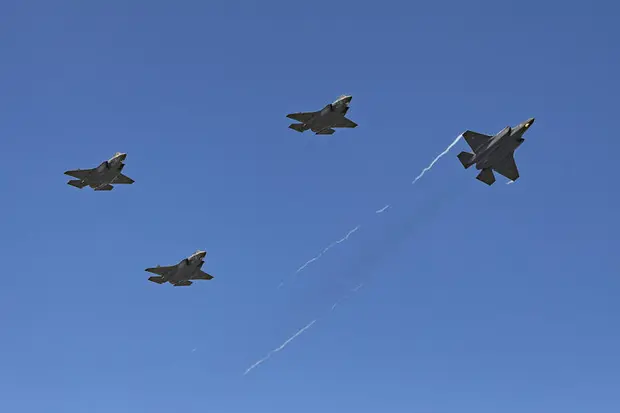
Combat experience fuels boom in Israel’s defense-tech sector
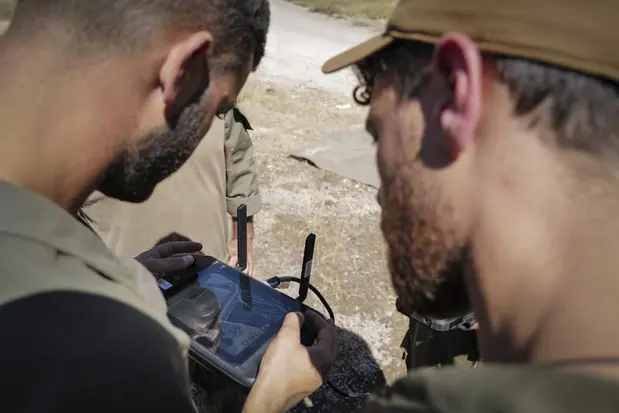
Israel’s defense-tech industry is experiencing a surge in international interest and investment, driven by combat experience gained during the past three years of war and growing global demand for advanced military technologies.
Eitan Mandel, head of the Defense Industries Division at the Manufacturers Association of Israel, shared his thoughts on Israel’s booming defense industry during a presentation this week at a conference entitled “Defense Tech: The Next Frontline of Israeli Hi-Tech.” The conference was hosted in Tel Aviv by Naschitz Brandes Amir, Group19 Tech and the Israel High-Tech Association as part of Israeli Hi-Tech Week.
“Israel is currently one of the world's most advanced and innovative defense-tech laboratories,” he said. “Over the past three years, we have accumulated extensive knowledge and experience, and the world is watching us. This advantage has driven a surge in investment. Funding for Israeli defense tech jumped from approximately $360 million in 2025 to an expected $1 billion in 2026.”
Mandel said that since the outbreak of the Iron Swords War on Oct. 7, 2023, the time needed for Israeli defense companies to turn an identified battlefield need into a new weapon, tool or process has decreased from up to two years to just a few weeks. He noted that the same development process can take considerably longer within the U.S. defense manufacturing establishment.
“The major advantage of Israeli defense-tech developments is that most of them are combat-proven,” he added. “These are not theoretical products. They have been tested in the field, saved hundreds of soldiers, improved lethality, and undergone further refinement and improvements following operational experience.”
Also speaking at the conference was Lital Leshem, founding partner and managing director of Protego Ventures, an Israel-based, female-led venture capital fund. She told The Jerusalem Post that global spending on defense and security is expected to reach approximately $3 trillion annually in the foreseeable future.
She pointed to several factors driving this growth, including the ongoing war in Ukraine, the nuclear threat from Iran, the potential for conflicts in East Asia and increasing political unrest and criminal activity. These developments are prompting governments to invest heavily in their military and police forces, Leshem said.
Leshem said Israeli defense-tech startups are attracting interest from international markets, partly due to the IDF's operational experience/
“The experience gained on the battlefield is priceless; it is one of the things that companies and investors from around the world come to Israel to learn about and acquire,” she explained. “Companies working with MAFAT [Directorate of Defense Research and Development] and the IDF effectively receive a significant endorsement – they prove that they can operate in a real battlefield environment.”
However, she warned that opposition to the Jewish state in many countries could make potential investors and clients more hesitant to work with Israeli companies.
“While the political picture is complicated and entirely different, there is enormous appreciation for Israel’s achievements on the military front,” she said. “Nevertheless, we need to explain to investors why investing in Israeli companies makes sense, while addressing the political risks and their potential impact on business operations.”
Peleg Cohen, head of start-ups at MAFAT, also highlighted the defense-tech sectors' growing international appeal. He said he oversees approximately 350 small defense-related startups, many of which are attracting growing interest from international investors.
“The past four years have changed the way warfare is perceived around the world. In the past, most weapons systems were sophisticated, precise, and expensive, and were therefore developed primarily by large defense companies,” he said.
Cohen added that smaller, more agile companies have emerged in recent years, offering niche solutions to specific problems and the ability to develop and manufacture them quickly and at scale. “From our perspective, this is an advantage, not a disadvantage, because it expands the range of solutions and increases competition,” he said.
Popular article:

interview Easter message of resurrection hope amid war at Jerusalem's Garden Tomb

biblical commentary Let my people go: a Passover message for today

4 IDF soldiers killed, 2 wounded in fighting in southern Lebanon, as Israel eliminates dozens of Hezbollah terrorists

Receive latest news & updates
A message from All Israel News
Help us educate Christians on a daily basis about what is happening in Israel & the Middle East and why it matters.
For as little as $10, you can support ALL ISRAEL NEWS, a non-profit media organization that is supported by readers like you.
Latest articles:

Shin Bet’s investigation of election interference founders amid ongoing controversy

Blinken says he warned Netanyahu Israel could lose support among Republicans, Evangelicals

Israel showcases tourism offerings at major London travel expo

‘It’s blood libel, preparation for genocide’ – US Ambassador Leiter blasts NYT over coverage, antisemitic criticism of Israel

Ambassador Huckabee urges international mayors to strengthen partnerships with Israel