








Western Wall Foundation cleans tens of thousands of prayer notes ahead of High Holidays
Prayer notes are cleared twice per year and disposed of according to Jewish religious custom
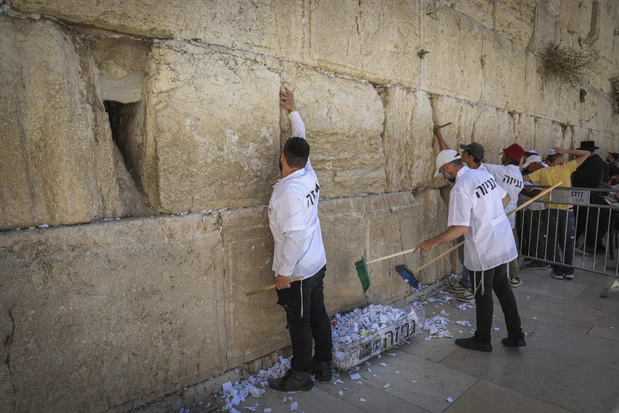
Tens of thousands of prayer notes sent from around the world and placed between the stones of the Western Wall (called the Kotel in Hebrew) over the past half-year were removed Monday morning ahead of the upcoming holidays.
As happens every year, in preparation for the Fall holidays (Rosh Hashanah, Yom Kippur and Sukkot), also called the High Holidays, the Western Wall Heritage Foundation held the traditional removal of the prayer notes that had been placed over the past six months.
The notes will be transferred to a designated burial site for disposal according to Jewish practice.
The tradition of placing notes in the Western Wall goes back at least 300 years and predates the modern State of Israel by over two centuries. Jews traditionally pray for a happy, healthy, peaceful and prosperous new year.
The removal of the prayer notes follows Jewish halachic guidelines, using disposable gloves and wooden utensils to preserve the sanctity of the place and the personal content of the notes.
The notes are collected in special bags and buried with worn-out holy books, including prayer books, for permanent burial in a cemetery on the Mount of Olives overlooking the Old City of Jerusalem.
In Jewish practice, any holy writings, especially those which contain the name of God, are not thrown into regular trash. Instead, they are placed in a special place called a genizah and later buried, similar to a human corpse.
According to the Western Wall Heritage Foundation, hundreds of notes are sent every day through the foundation's website, along with hundreds of thousands of other notes that worshippers and visitors to the Kotel place throughout the year.
The notes are usually collected twice a year, before Passover and before Rosh Hashanah, and taken for burial on the Mount of Olives.
The Rabbi of the Western Wall and the Holy Places, Rabbi Shmuel Rabinowitz, offered a prayer for unity in Israel as the notes were collected.
The Western Wall Heritage Foundation noted that among the notes received via the website this year were requests for peace and reconciliation from people living in countries hostile to Israel, including Iran, Yemen, Iraq, Qatar, Lebanon, Pakistan, Sudan, Jordan, Egypt and Kazakhstan.
Over the past year, the Western Wall Heritage Foundation's website has received prayer notes from more than 140 countries and territories worldwide. Volunteers place these notes between the stones of the Western Wall.
Recently, a Christian organization began offering the same service for Christians wanting to send prayers to the Western Wall, or other sacred sites in Israel.
Alongside the United States, Brazil, Argentina, Germany, Ukraine, and Canada, notes were also received from surprisingly distant countries, including India, South Africa, Indonesia, Taiwan, Jamaica, Kenya and Nigeria.
Popular article:
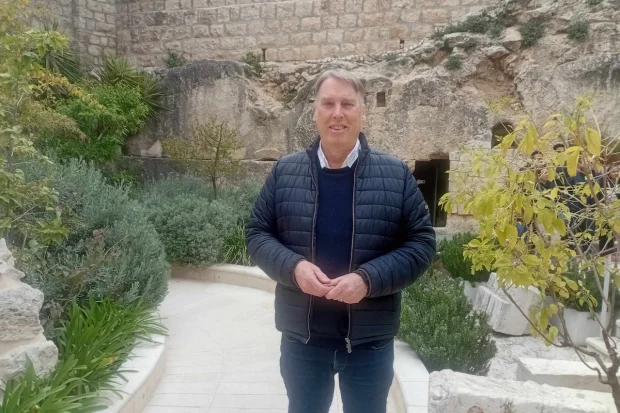
interview Easter message of resurrection hope amid war at Jerusalem's Garden Tomb
biblical commentary Let my people go: a Passover message for today
4 IDF soldiers killed, 2 wounded in fighting in southern Lebanon, as Israel eliminates dozens of Hezbollah terrorists

Receive latest news & updates
A message from All Israel News
Help us educate Christians on a daily basis about what is happening in Israel & the Middle East and why it matters.
For as little as $10, you can support ALL ISRAEL NEWS, a non-profit media organization that is supported by readers like you.
Latest articles:
North American Jewish organizations to recruit 100 professionals to combat antisemitism
‘No need’ for pre-election Iran strike, IDF chief says as gov’t, opposition trade blame for potential escalation – report
terror attack 2 Israeli soldiers killed, 2 terrorists eliminated in Hebron shooting; IDF says much larger attack was prevented
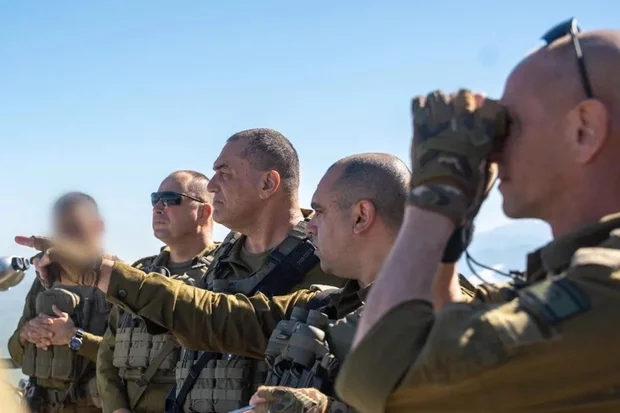
analysis A people dwelling securely? Israel’s strategic standing, 3 years after Oct 7
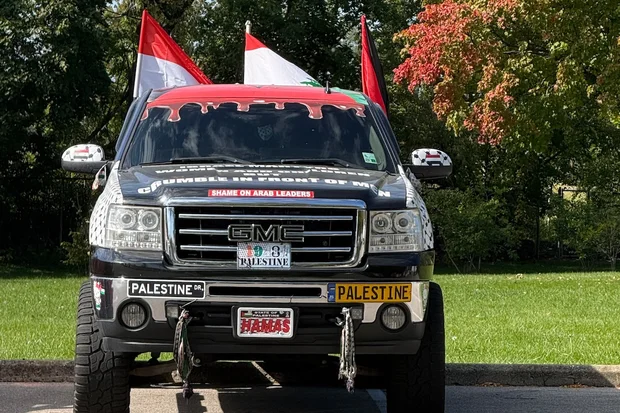
Hamas on wheels: What I found in Dearborn reveals a troubling history and a battle over Israel