Shekel strength: Factors driving stability in Israel's currency market
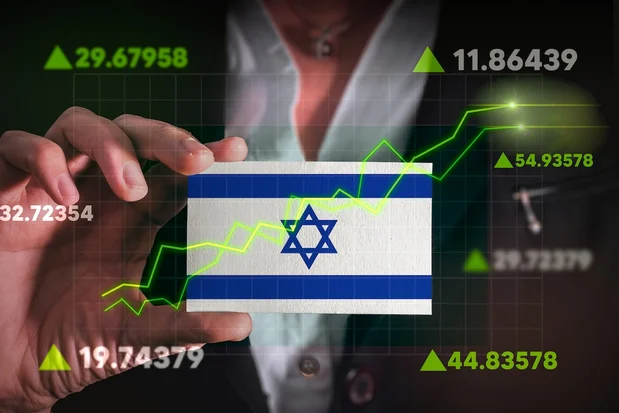
Since the onset of the year, the local foreign exchange market in Israel has exhibited commendable stability. Notably, the shekel has demonstrated resilience, strengthening against the dollar to trade at a rate of 3.63, despite recent growth data publications. However, the forthcoming interest rate decision by the Bank of Israel looms as a potential catalyst for change in this stability.
Anticipation surrounds the Bank of Israel's decision, particularly concerning the possibility of a second additional interest rate reduction in 2024. Such a move could trigger a devaluation of the shekel, driven by the interest rate gap between Israel and Western countries. Notably, central banks in Europe and the USA have shown reluctance to ease monetary policies, potentially exacerbating this gap.
In light of these developments, reputable financial institutions such as Goldman Sachs and Bank of America have provided insights into the trajectory of the shekel. Goldman Sachs forecasts a continuation of the current exchange rate around NIS 3.7 per dollar in the short term, with a projected strengthening of the shekel to NIS 3.55 in the coming year. However, concerns persist regarding inflationary pressures, extending possibly until 2027.
Goldman Sachs attributes the recent shekel strength to various factors. Firstly, despite negative growth data, the shekel's resilience underscores market optimism regarding Israel's economic performance, especially in the first quarter of the year. Additionally, the high profitability of technology stocks in the US has bolstered the shekel, given Israel's need to balance institutional investment portfolios.
Furthermore, positive developments in Israel's trade balance, particularly a favorable improvement in the fourth quarter, suggest underlying strengths in the economy. The balance of payments dynamics indicates a potential undervaluation of the shekel, paving the way for future appreciation. However, historical precedents highlight the inflow of foreign funds during geopolitical crises, exerting upward pressure on the shekel's value.
Despite these positive indicators, Israel's high risk premium remains a significant factor influencing currency exchange rates. This premium serves as a counterbalance to external aid inflows, shaping the equilibrium in the foreign exchange market.
In conclusion, the stability witnessed in the Israeli foreign exchange market is underpinned by a delicate interplay of domestic and international factors. While current conditions favor the shekel's strength, the impending interest rate decision by the Bank of Israel introduces an element of uncertainty. Market participants keenly await further developments, mindful of the potential ramifications on currency dynamics and economic stability.
This article originally appeared here and is reposted with permission.
Popular article:

interview Easter message of resurrection hope amid war at Jerusalem's Garden Tomb

biblical commentary Let my people go: a Passover message for today

4 IDF soldiers killed, 2 wounded in fighting in southern Lebanon, as Israel eliminates dozens of Hezbollah terrorists

Receive latest news & updates
A message from All Israel News
Help us educate Christians on a daily basis about what is happening in Israel & the Middle East and why it matters.
For as little as $10, you can support ALL ISRAEL NEWS, a non-profit media organization that is supported by readers like you.
Latest articles:

1969 Dutch Eurovision winner Lenny Kuhr moves to Israel – cites antisemitism, family ties

Israel bars French far-left leader Mélenchon in response to France's entry ban on settlement leader

Change Bloc divided over coalition with Arab or ultra-Orthodox parties after week of negotiations

Huckabee fires back as Senate Democrats target US-Israel intelligence ties: 'Shocking!'

Israeli blood test detects early breast cancer with 95% accuracy, assesses recurrence risk