











Oct 7: Polls reveal how Israel has changed after one year
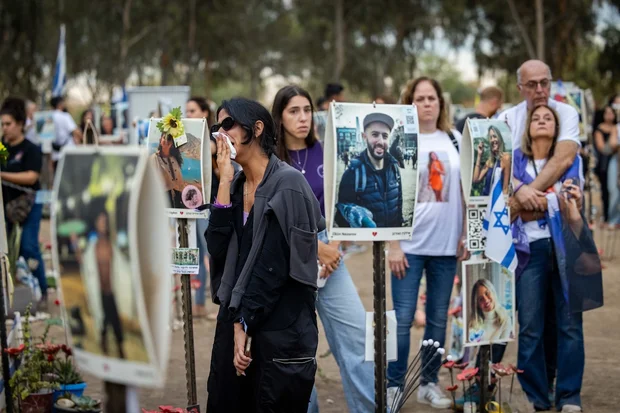
A lot has changed since Oct. 7, 2023, and new polls reveal quantitatively just how much. Looking at the results of a new survey by Katar Insights and Israel's Kan public broadcaster, as well as data collected by Gallup opinion polls, we can get a statistical grasp on how Israel is doing a year after the worst terror attack in the nation’s modern history.
Almost one-quarter of Israelis have considered leaving their homeland, according to research conducted by Katar Insights and Kan, as reported by The Times of Israel. More than just being a passing thought, a significant proportion of those weighing the possibility have started taking practical steps to do so.
Almost a quarter (24%) have gone so far as to check housing options overseas, while others began searching for jobs (21%) and schools for their children (5%). About 15% have taken steps to get a foreign passport or visa.
Still, according to the survey, the vast majority of Israelis have not considered such a move, with 67% saying that they haven't thought about leaving, and only 1% indicating that they have already left and returned – or are planning to return. Furthermore, of the 23% who have considered emigrating, many are not thinking of a permanent move but were thinking of returning after some time.
Among those expressing a desire to leave Israel, voters supporting opposition parties were more likely to consider leaving (36%) compared to coalition voters (14%). Likewise, secular respondents were more inclined to consider emigrating than those from a religious background.
The global analytics company, Gallup, conducted face-to-face interviews with Israelis at several points after Oct. 7. The most recent Gallup surveys in Israel from July and August polled a random sample of 1,001 Israelis who were asked to “tell a story of a country at war and still struggling to recover from its darkest day in recent history.”
The summary of the research concluded that “Israelis feel less worried, stressed and sad today than they did in the immediate aftermath of the October 7th attacks, but they no longer feel as emotionally or physically safe as they did in the years before.”
Gallup measured levels of worry, sadness, and stress among respondents, asking, “Did you experience the following feelings during a lot of the day yesterday?” The emotions were unsurprisingly at extreme levels immediately following the attack, but have gradually eased over time.
According to Gallup's data, daily stress levels have dropped by 28 percentage points to 34%, worry by 24 points to 43%, and sadness by 23 points to 28%. Despite the decline, Gallup noted that the levels remain significantly high and further reported that “no other country had ever seen such a large year-on-year increase in negative experiences” since the World Poll began tracking emotional well-being nearly two decades ago.
Popular article:

interview Easter message of resurrection hope amid war at Jerusalem's Garden Tomb

biblical commentary Let my people go: a Passover message for today

4 IDF soldiers killed, 2 wounded in fighting in southern Lebanon, as Israel eliminates dozens of Hezbollah terrorists

Receive latest news & updates
A message from All Israel News
Help us educate Christians on a daily basis about what is happening in Israel & the Middle East and why it matters.
For as little as $10, you can support ALL ISRAEL NEWS, a non-profit media organization that is supported by readers like you.
Latest articles:

Israeli Arab charged with spying for Iran, citing ideological motives

3 Israelis injured, 1 Palestinian woman killed in violent incident outside new Jericho settlement

Israel rises to world's 25th-largest economy despite war, boycott calls

US envoy Waltz visits Lebanon amid discussions over new peacekeeping force, stalled Hezbollah disarmament

Despite years of war, Israeli children and teens report high levels of life satisfaction, international surveys find