Nearly 40% of Iranians view US-Israeli strikes as humanitarian intervention – poll




A new survey by the Netherlands-based research organization, the "Group for Analyzing and Measuring Attitudes in Iran (GAMAAN)," suggests that Iranians remain deeply divided over the Israeli-U.S. military campaign against the Islamic Republic, with a significant minority viewing the intervention as an effort to help free the country from its ruling regime.
The survey, titled "Iranians' Attitudes Toward the 2026 Protests and War," was released this week and is based on responses from 31,450 Iranians aged 15 and older living inside Iran, collected over several months.
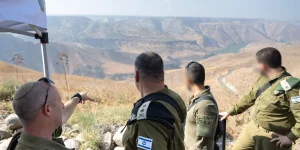
According to the findings, nearly 40% of respondents said they viewed the U.S.-Israeli military campaign against the Iranian regime as a "humanitarian intervention," while approximately 42% described the strikes as "military aggression against Iran."
Despite relatively strong support for the stated intentions behind the campaign among some respondents, optimism about its outcome was more limited. Among those who believed the intervention was launched with good intentions, only 38% said they expected it to bring positive social change to Iran.
The survey also found that public opinion shifted modestly as the conflict continued. Support for the military campaign increased by about four percentage points over the course of the war, with some respondents changing their views as the initial airstrikes evolved into a longer military operation.
Even among those who opposed the intervention, many acknowledged its impact, with 60% saying they believed the regime had been significantly weakened by the conflict. Fifty-two percent of respondents said they were not saddened by reports that Supreme Leader Ali Khamenei had been killed during the opening strikes of the war on February 28, while 24% said they felt indifferent.
The findings are broadly consistent with previous surveys indicating widespread opposition to Iran's ruling establishment. At the same time, the latest poll found no clear consensus on what form of government should replace the current system if it were to change. Respondents expressed support for a range of models, including a monarchy, a republic, and a federal republic.
The poll also examined respondents' views on a range of domestic and foreign policy issues. According to the findings, 51% said Iran's missile program had not improved the country's security, while 47% opposed closing the Strait of Hormuz. A majority of respondents (59%) also said they did not support Iran pursuing a nuclear weapons program.
In addition, 68% said they did not believe the Memorandum of Understanding between the U.S. and Iran served the interests of the Iranian people, citing its failure to address grievances related to the January protests and the government's subsequent crackdown.
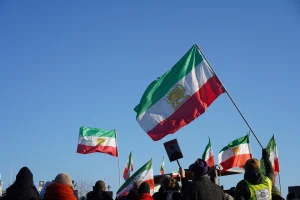
The GAMAAN poll also measured public attitudes toward slogans associated with the protests. "Long Live Iran" received the highest level of support at 94%, followed by "No to Executions" (81%), "Death to the Dictator" (79%), and "Women, Life, Freedom" (74%).
Lower, though still significant, levels of support were recorded for the slogans "Reza Shah, Bless Your Soul" and "Long Live the Shah."
The majority of respondents said they disapproved of slogans such as "No Compromise, No Surrender; Fight the United States" and "Death to Israel."
The survey also found that 51% of Iranian respondents expressed a favorable view of Israeli Prime Minister Benjamin Netanyahu.
You might also like to read this: