Israeli ingenuity at the core: Microsoft launches cloud server chip and card for Azure

Microsoft made an exciting debut on Tuesday, unveiling a cutting-edge chip and electronic card designed for its cloud servers. The primary objectives behind this move are twofold: firstly, to grant customers the ability to customize the Azure cloud system on demand, and secondly, to reduce expenses by minimizing reliance on external chip suppliers like Nvidia and Intel.
This development follows a similar path to Amazon's acquisition of the Grabiton chip from the Israeli company Anforna. The Grabiton chip currently underpins Amazon's colossal data centers, enabling cost reduction in their cloud services. The Microsoft's newly unveiled card effectively optimizes various operations and enhances control over diverse applications, including virtual servers and specific storage tasks.
The launch of the electronic card last night marked a significant milestone for Microsoft's chip development center, predominantly located in Haifa, Israel. Over the past four years, this center has been diligently working on hardware technologies to bolster the Azure cloud system. While a few products have already been integrated into Azure, this launch represents the center's first major product release.
The introduction of the acceleration card took place during Microsoft's "Azure Boost" announcements, which showcased their latest hardware developments in conjunction with new managed services.
Looking towards the future, the new developments may eventually render server farm acceleration cards from Nvidia (DPU brand) and Intel (IPU brand) unnecessary. Nevertheless, Microsoft will continue to rely on Intel and AMD core processors integrated into their cards and servers, along with Nvidia's graphics processors for AI and machine learning tasks.
LinkedIn data reveals that Microsoft currently employs around 20 hardware engineers in Israel, sourced from companies such as Intel, Mellanox (Nvidia), Qualcomm, and IBM. Additionally, their Haifa operation includes several university graduates without prior experience.
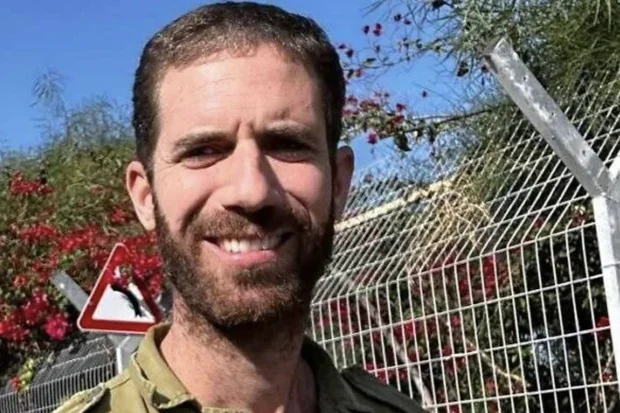
Ari Cohen, head of Microsoft Azure hardware group (Azure Core Compute), highlights the inclusive and synergistic culture thriving within Microsoft Israel R&D. Here, a diverse team of professionals from different backgrounds, collaborate seamlessly with global counterparts to forge ground breaking software and hardware solutions for Microsoft's dynamic cloud ecosystem. Cohen firmly believes that this unwavering cooperation possesses boundless potential to positively transform the experiences of hundreds of millions of users worldwide.
In other words, the exceptional contributions of Israel's talent pool exemplify the true value of cross-border cooperation, making it challenging for those seeking to boycott anything associated with the country. Through this innovative synergy, Microsoft's advancements set new industry standards and drive positive change on a world stage.
This article originally appeared here and is reposted with permission.
Popular article:

interview Easter message of resurrection hope amid war at Jerusalem's Garden Tomb

biblical commentary Let my people go: a Passover message for today

4 IDF soldiers killed, 2 wounded in fighting in southern Lebanon, as Israel eliminates dozens of Hezbollah terrorists

Receive latest news & updates
A message from All Israel News
Help us educate Christians on a daily basis about what is happening in Israel & the Middle East and why it matters.
For as little as $10, you can support ALL ISRAEL NEWS, a non-profit media organization that is supported by readers like you.
Latest articles:

1969 Dutch Eurovision winner Lenny Kuhr moves to Israel – cites antisemitism, family ties

Israel bars French far-left leader Mélenchon in response to France's entry ban on settlement leader

Change Bloc divided over coalition with Arab or ultra-Orthodox parties after week of negotiations

Huckabee fires back as Senate Democrats target US-Israel intelligence ties: 'Shocking!'

Israeli blood test detects early breast cancer with 95% accuracy, assesses recurrence risk