










Israel’s EastMed gas pipeline to Europe is ‘too expensive, not viable,’ according to top US diplomat
Joint initiative between Israel, Cyprus, Greece and Italy to deliver natural gas to Europe – as an alternative to Russian gas supply – may take too long to implement
Against the backdrop of a global energy crisis, representatives from the United States, Israel and European Union countries have held talks in recent days to discuss potential ways to transport natural gas from Israel through the Mediterranean Sea to Europe, as an alternative to Russian gas supply.
One proposed solution is the Eastern Mediterranean gas pipeline, known as EastMed. The project, still currently in design, would deliver natural gas from Israel’s offshore Levantine Basin via the Greek Cypriot into Greece and from there, to Italy and other European markets.
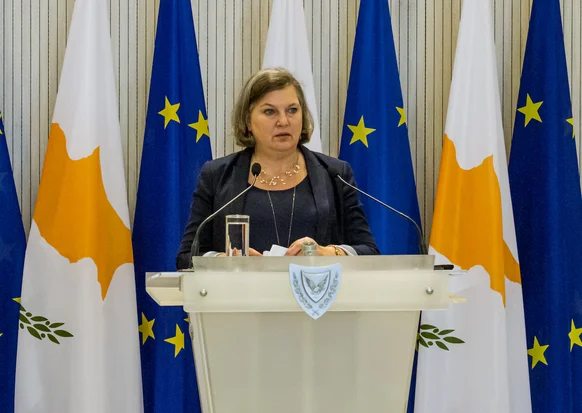
However, U.S. Under Secretary of State Victoria Nuland said on Thursday that the EastMed is too expensive, not economically viable and will take too long to help countries seeking alternatives to Russian gas any time soon.
The top U.S. diplomat stressed that the pipeline project wouldn’t be able to deliver the gas to Europe as quickly as needed because it would run through very deep water and construction would take more than a decade.
“And frankly, we don’t have 10 years but in 10 years from now, we want to be far, far more green and far more diverse” in energy sources, Nuland said. “So, what we’re looking for within the hydrocarbon context are options that can get us more gas, more oil for this short transition period.”
Earlier this week, Nuland met in Athens with Israel’s Foreign Minister Yair Lapid and top diplomats from Greece and Cyprus.
In a conversation with Cypriot President Nicos Anastasiades, Nuland mentioned that countries in the region have understood that dependence on Russian oil and gas is “an extremely bad bet” following Moscow’s decision to invade Ukraine.
Up until the invasion, Germany imported 55% of its natural gas from Russia. Italy was the second-largest natural gas importer in Europe, with 45% of its gas coming from Russia. Italy recently signed an agreement to increase its imports from Algeria.
Turkey, which is not involved in the EastMed pipeline, might be encouraged by the Biden administration’s rejection of the project which was previously supported by the Trump administration.
In recent months, Turkish President Tayyip Erdoğan has been making overtures towards Israel in hopes to amend diplomatic ties and explore ways to cooperate.
Turkey expert, Hay Eytan Cohen Yanarocak, recently told ALL ISRAEL NEWS that from Turkey’s standpoint it is a great opportunity. “Maybe with a counter-offer they can persuade the Israeli government to leave the EastMed alliance and form a different energy deal with Turkey,” Yanarocak explained.
Popular article:

interview Easter message of resurrection hope amid war at Jerusalem's Garden Tomb

biblical commentary Let my people go: a Passover message for today

4 IDF soldiers killed, 2 wounded in fighting in southern Lebanon, as Israel eliminates dozens of Hezbollah terrorists

Receive latest news & updates
A message from All Israel News
Help us educate Christians on a daily basis about what is happening in Israel & the Middle East and why it matters.
For as little as $10, you can support ALL ISRAEL NEWS, a non-profit media organization that is supported by readers like you.
Latest articles:

Israeli Arab charged with spying for Iran, citing ideological motives
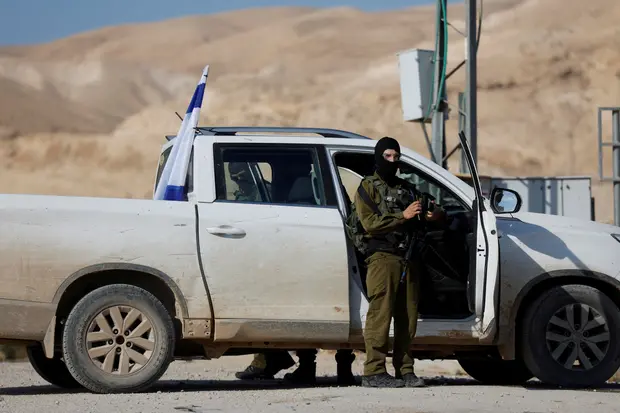
3 Israelis injured, 1 Palestinian woman killed in violent incident outside new Jericho settlement
Israel rises to world's 25th-largest economy despite war, boycott calls
US envoy Waltz visits Lebanon amid discussions over new peacekeeping force, stalled Hezbollah disarmament

Despite years of war, Israeli children and teens report high levels of life satisfaction, international surveys find