explainer Israel's civilian front against Hezbollah, 2006 vs 2024
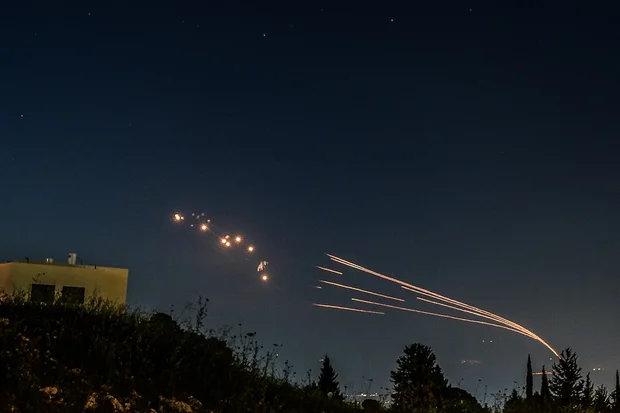
For those of us living in Israel today who still vividly remember the 2006 Second Lebanon War, the current reality feels drastically different. The fear and vulnerability that gripped our communities during those tense summer days of 2006 have been replaced by a cautious confidence in our defensive capabilities.
The contrast between 2006 and today is stark. Back then, air raid sirens meant frantic rushes to shelters, unsure of our safety. Now, while threats persist, our response has fundamentally changed. Israel's improved air defenses aren't just a military upgrade – they've revolutionized how we experience conflict. This game-changing evolution has reshaped our national security and societal resilience.
In 2006, Israel found itself largely defenseless against the barrage of rockets launched by Hezbollah. The conflict exposed a glaring vulnerability in Israel's home front, with approximately 4,000 rockets raining down on northern Israeli cities and towns. Civilians were left exposed, and the lack of an effective interception system resulted in significant casualties – 44 Israeli civilians were killed and about 1,400 were injured. The attacks also caused widespread damage to property, with thousands of homes and buildings hit. This situation severely limited Israel's strategic options and put immense pressure on its military operations, which struggled to suppress the rocket fire effectively.
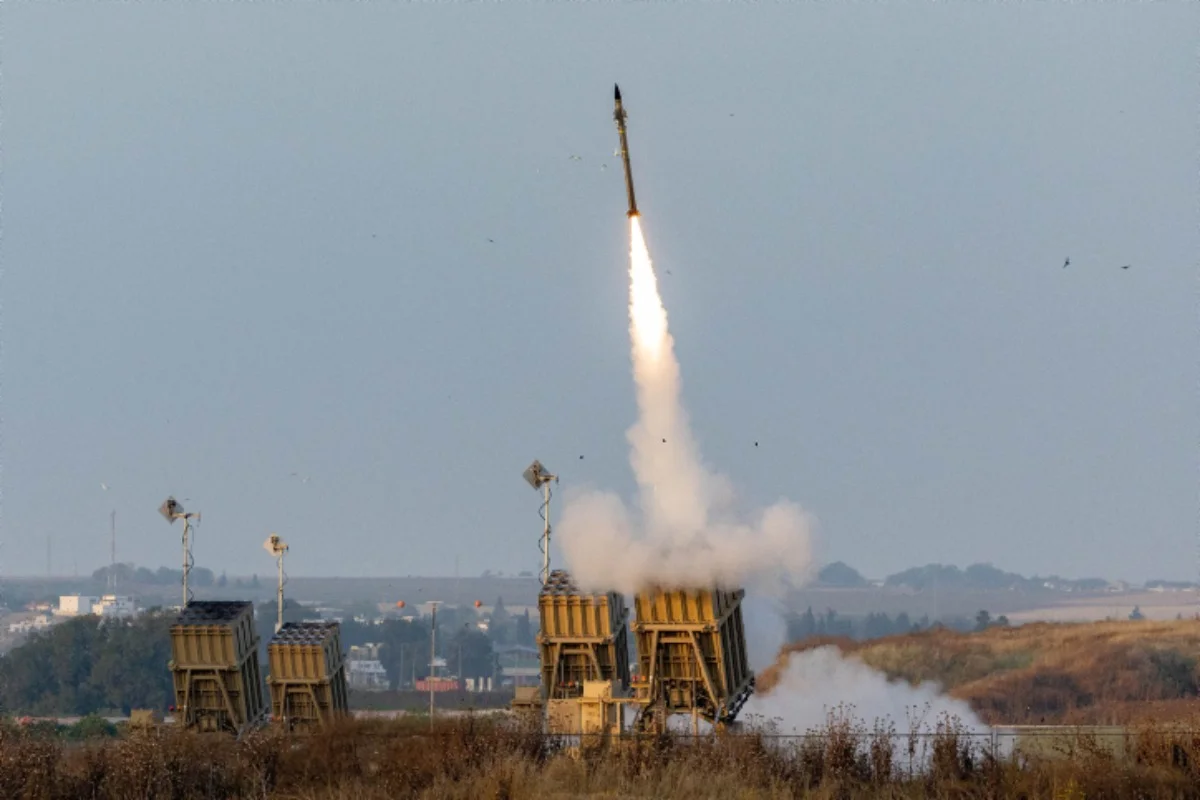
Fast forward to 2024, and the picture has changed dramatically. Israel now boasts a sophisticated multi-layered air defense system, with the Iron Dome at its core. This system has proven remarkably effective, with interception rates consistently reaching 90-95% against incoming rockets and missiles. The Iron Dome, along with other systems like David's Sling and Arrow, has created a protective shield over Israeli population centers, dramatically reducing civilian casualties and damage to infrastructure.
While rocket attacks continue to occur, their impact has been significantly mitigated. In a marked contrast to 2006, the most recent days of conflict have seen, thank God, no civilian casualties from Hezbollah's rockets. This is despite the group launching numerous projectiles towards northern Israel. The effectiveness of Israel's air defense systems, particularly the Iron Dome, has been crucial in protecting civilian lives and minimizing disruption to daily life in Israel's northern communities.
This defensive revolution has profound implications for Israel's strategic position. The robust air defense network has significantly diminished the threat to the Israeli home front, allowing the military to operate with greater flexibility and focus on offensive capabilities, something that was clearly proven in the successful operations we’ve seen the IDF conduct in the last few days in Lebanon. This evolution has not only enhanced Israel's security but has also altered the strategic calculus in the region, providing Israel with newfound resilience and operational freedom in addressing security challenges.
Popular article:

interview Easter message of resurrection hope amid war at Jerusalem's Garden Tomb

biblical commentary Let my people go: a Passover message for today

4 IDF soldiers killed, 2 wounded in fighting in southern Lebanon, as Israel eliminates dozens of Hezbollah terrorists

Receive latest news & updates
A message from All Israel News
Help us educate Christians on a daily basis about what is happening in Israel & the Middle East and why it matters.
For as little as $10, you can support ALL ISRAEL NEWS, a non-profit media organization that is supported by readers like you.
Latest articles:

1969 Dutch Eurovision winner Lenny Kuhr moves to Israel – cites antisemitism, family ties

Israel bars French far-left leader Mélenchon in response to France's entry ban on settlement leader

Change Bloc divided over coalition with Arab or ultra-Orthodox parties after week of negotiations

Huckabee fires back as Senate Democrats target US-Israel intelligence ties: 'Shocking!'

Israeli blood test detects early breast cancer with 95% accuracy, assesses recurrence risk