








Iran clashes with UN over nuclear program, access to its facilities
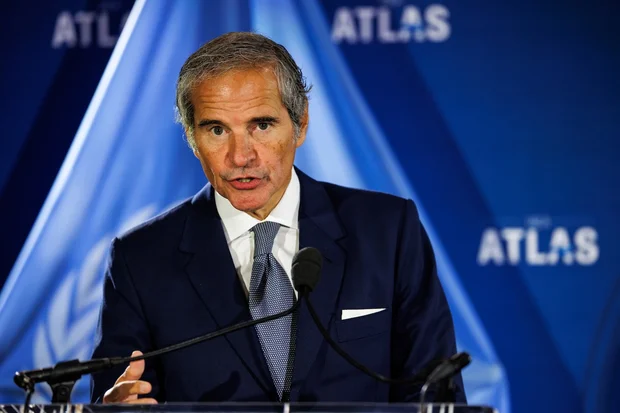
Iranian officials and senior United Nations representatives clashed publicly on Monday over Tehran’s nuclear program, human rights record and conduct during its recent military confrontation with Israel and the United States.
International Atomic Energy Agency (IAEA) Director-General Rafael Grossi said the UN nuclear watchdog is unable to verify the status of Iran’s declared nuclear material and facilities, while Iranian Foreign Ministry spokesperson Esmaeil Baghei rejected efforts by European governments to seek a new resolution against Tehran.
Grossi made his comments in a speech at the opening of the IAEA Board of Governors meeting in Vienna, where he called on Iran to cooperate with the agency.
"I call on Iran to engage with the Agency constructively in order to make possible the full and effective implementation of Agency safeguards in Iran and to fulfill its responsibilities," Grossi stated.
Iran’s Foreign Ministry spokesperson Esmaeil Baghei, meanwhile, lashed out at the IAEA on Monday, saying the agency was out of order for seeking a resolution against Tehran.
He also accused European governments of being “irrational” for pursuing a UN resolution concerning Iran’s nuclear program, which Tehran has long maintained exists solely for peaceful purposes, including producing electricity and medical uses.
Baghei further argued that the recent war between Iran, Israel and the United States has already rendered the country’s nuclear facilities inaccessible because of airstrikes against them, making further UN resolutions unnecessary from Tehran’s perspective.
Iran has barred the IAEA from accessing its nuclear facilities since June 2025, following the 12 Day War. The restrictions have made it more difficult for the agency to verify the status of Iran’s nuclear activities.
In a related development, UN High Commissioner for Human Rights Volker Türk delivered a speech on Monday at the Human Rights Council in Geneva that included criticism of both the United States and Iran’s IRGC regime over the protection of civilians during their recent military clashes.
Regarding Iran’s domestic human rights record, Türk said that "Since March 2026, 59 people have been executed on national security-related charges – more than the number put to death on the same charges in the whole of 2025.”
He also singled out “reports of civilian deaths and injuries, including at a wedding in Hormozgan province” on Sept. 1 as being “particularly concerning.”
Iranian opposition groups have told international media outlets that the building where the wedding took place was next to a telecommunications tower that was the likely target of the U.S. strike.
U.S. Vice President JD Vance said on Sept. 3 that the United States is investigating the incident but that he was "skeptical" that the Iranian accusations would prove true.
The developments come amid increasing reports of economic hardship inside Iran, as U.S. sanctions and a naval blockade have created what U.S. Treasury Secretary Scott Bessent called a “one-two punch.”
Bessent has predicted that economic pressure could soon topple the regime in Tehran, while some senior Iranian officials have recently acknowledged that the pressure is affecting the country and its decision-making.
Popular article:
interview Easter message of resurrection hope amid war at Jerusalem's Garden Tomb

biblical commentary Let my people go: a Passover message for today
4 IDF soldiers killed, 2 wounded in fighting in southern Lebanon, as Israel eliminates dozens of Hezbollah terrorists

Receive latest news & updates
A message from All Israel News
Help us educate Christians on a daily basis about what is happening in Israel & the Middle East and why it matters.
For as little as $10, you can support ALL ISRAEL NEWS, a non-profit media organization that is supported by readers like you.
Latest articles:
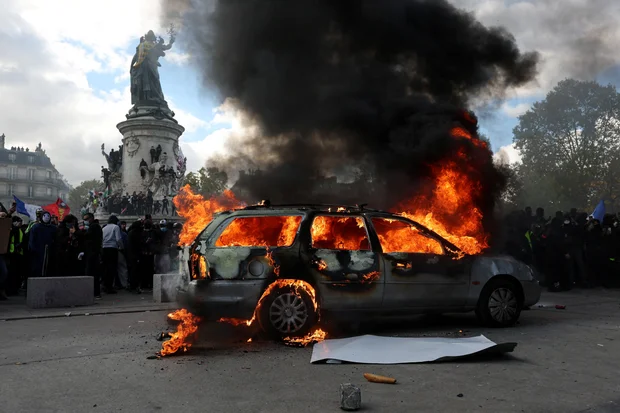
More than 1,300 antisemitic posts blame Israel, Jews for French riots – report
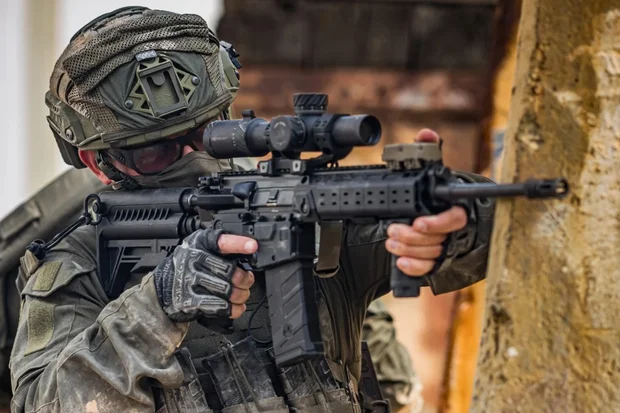
Thailand turns to Israeli anti-drone technology to counter growing battlefield threat
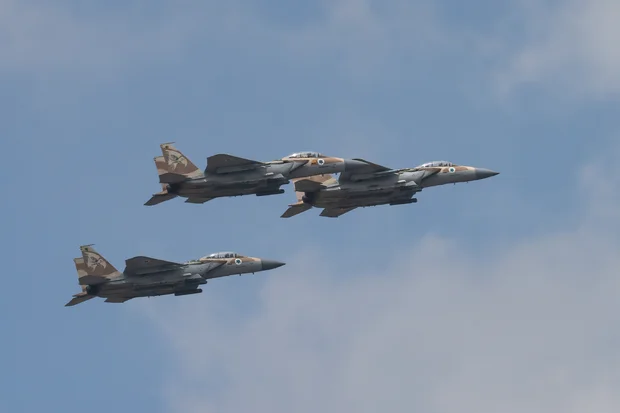
Israeli fighter jets flew to Iranian border in ‘power projection,’ deterrence exercise ahead of elections next week
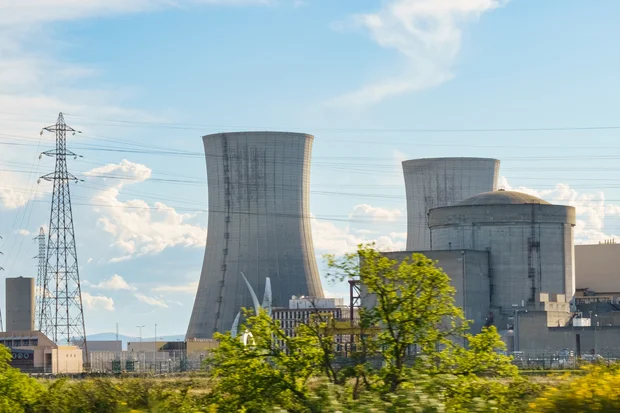
Israel targets nuclear fusion leadership as AI drives soaring energy demand

Israel's Sheba Medical Center climbs to 6th in global smart-hospital rankings