IDF enlistment among Israeli Druze, Bedouins & Arab Christians surges since Oct 7 – report
Most surprising: Rise in enlistment from Golan Heights Druze community



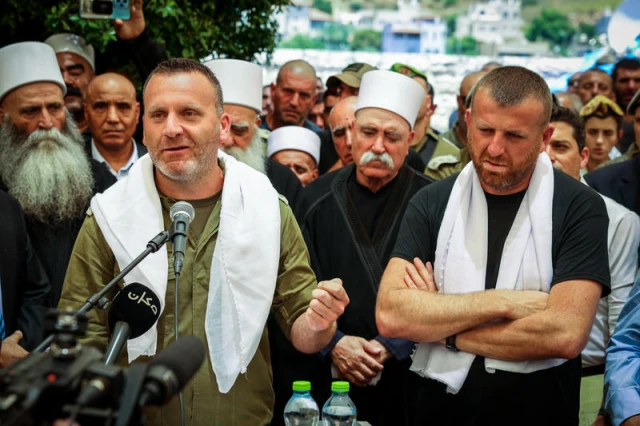
Since the start of the war, the military enlistment numbers of Israel’s Arabic-speaking minorities, including Druze, Bedouins and Arab Christians, have surged, according to The Jerusalem Report.
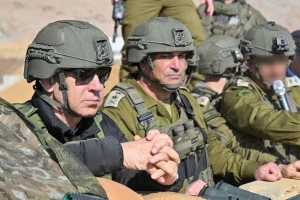
The outlet interviewed IDF Col. Safi Ibrahim, who comes from Israel’s Galilean Druze community, which has long had a strong identification with the state and where most men enlist and serve in meaningful roles in the military.
Ibrahim, who has commanded the department for soldiers from minority populations, said that the Christian Arab, the Muslim Bedouin and even the Golan Druze communities have seen significant increases in the enlistment numbers.
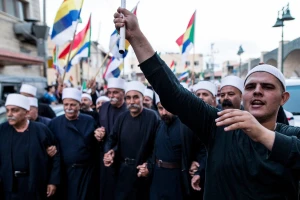
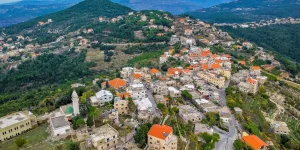
The most surprising change came among the Druze living on the Golan Heights, who unlike their brothers in the Galilee, have not identified with the state of Israel to a strong degree since the area was captured in the Six-Day War in 1967.
Ibrahim explained that the attacks by Hezbollah, one of which killed 12 Druze children in the town of Majdal Shams in August 2024, as well as the aftermath of the collapse of Syria’s Assad regime contributed to the change.
Motivation to serve is now reportedly six times higher than before. Ibrahim recounted that already “Shortly after the war began, we saw a willingness among the local population to defend themselves and join the reserves.”
“We facilitated training for 150 people, and they continue to serve to this day. Now you see them in IDF uniforms in their villages – something they were reluctant to do previously because they were either shy or afraid,” he told the Report, adding that a second group of 150 Golan Druze soldiers started basic training in December.
In addition, requests for Israeli citizenship are also rising among the community where only around 20% are full citizens so far.
“The Druze residing in Syria believe there is no one who can help them more than the State of Israel,” said Ibrahim, adding that “there is a very strong awareness among the Druze here and the general leadership [in Israel] about the necessity to support the Syrian Druze. That is meaningful to me as a Druze serving in the IDF.”
“In the end, they are our brothers,” said Ibrahim. “It’s true they belong to another country, but they are still our own flesh and blood.”
Among the overall Druze community, the already high enlistment rose by 5% since Oct. 7 and now stands at 85%.
Among the Muslim Bedouin communities of the Galilee and Negev regions, enlistment is around 60%, many of them serving in combat roles like the Desert Reconnaissance Battalion.
“As for Muslims [who are not Bedouins], we’ve recently seen a phenomenon of a few more joining; for example, from Arab towns and cities like Nazareth, Ramla, Sakhnin, and Dir al-Asad,” Ibrahim said, adding that Arab Christian enlistment has increased threefold in the past year.
“One explanation is that no matter what minority group you come from, everyone saw the cruelty of October 7 and realized that the enemy didn’t care if it was a Bedouin woman with a headscarf or a Jew from a kibbutz,” he said.
“Arab Christians here also saw how their counterparts in Syria have been slaughtered and persecuted by the forces of al-Jolani [the Syrian president, now known as Ahmed al-Sharaa].”
Despite the relative increase, the numbers Arab-speaking minority soldiers are still low overall. There are only estimated to be several dozen Muslim soldiers serving in the IDF, and a few hundred Arab Christians.
Ibrahim said that there is a potential for up to 10,000 to 20,000 Arab Muslims to become soldiers in the future, but he also cautioned, “For those who dream of waking up tomorrow morning and recruiting thousands with just a push of a button, it won’t happen,” he said, as pushing too hard would “create antagonism.”
You might also like to read this: