








Former IDF Intelligence officer: Iran may be avoiding Israeli strike to prevent further Hezbollah weakening
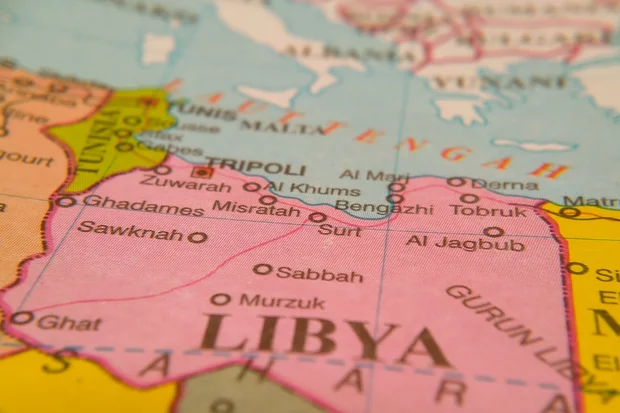
The Iranian regime has in recent days avoided launching attacks against Israel while targeting neighboring Arab countries amid rising military tensions with the United States. The situation has prompted speculation over why Tehran has refrained from opening another front against Israel, despite its longstanding calls for the Jewish state’s destruction.
Retired IDF intelligence officer Lt.-Col. (res.) Or Horowitz said he believes Tehran is currently holding back because a renewed confrontation with Israel could further weaken the Hezbollah terror group in Lebanon, Iran’s most powerful regional proxy.
"One of the reasons Iran is not firing at Israel is its desire not to restart the confrontation between Israel and Hezbollah," Horowitz said. "Hezbollah is in a difficult military state everywhere there is friction with IDF troops. I think Iran and Hezbollah understand that as well.”
A senior fellow at the Jewish People Policy Institute (JPPI), Horowitz was previously the director of Israel's military intelligence desk on Hezbollah.
"The question here is what happens from the moment Iran becomes involved, whether Hezbollah enters the campaign or perhaps does not," he continued. "That is basically its watershed line, because I think that if Hezbollah enters for the third time in the service of non-Lebanese interests, it is really putting itself in a hole it will find difficult to get out of."
Before the Hamas' attack on Israel on Oct. 7, 2023, Hezbollah was widely regarded as one of the world’s most heavily armed non-state actors, with military capabilities exceeding those of many conventional forces, including Lebanon’s armed forces. Iran invested billions of dollars in building Hezbollah into a strategic threat against Israel.
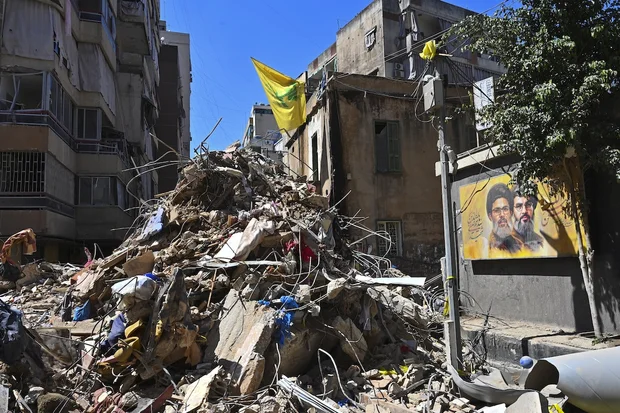
However, the Iran-backed jihadist group has suffered significant losses following its attacks against Israel and the subsequent Israeli military campaign, which targeted its infrastructure and leadership. Israel has degraded much of Hezbollah’s military capabilities resulting in the deaths of many senior commanders, including longtime leader Hassan Nasrallah.
Horowitz says that Lebanon is undergoing a transformation as the United States and Israel seek to minimize Hezbollah’s influence in the country.
"A historic change is taking shape in Lebanon. Hezbollah is in a weaker state than ever before," Horowitz said. "On the other side (the legitimate Lebanese leadership), there is a brave president; he wants to end the hostility once and for all. At the end of the day, he is a politician; he wants to avoid a civil war and being murdered himself, and despite that, he is making very brave moves," he continued, referring to Lebanese President Joseph Aoun, who met U.S. President Donald Trump earlier this week at the White House.
Aoun has publicly condemned Iran and Hezbollah, accusing them of dragging Lebanon into a conflict the country does not seek.
Earlier this week, Israeli forces withdrew from the first Lebanese villages included in a pilot project designed to strengthen the Lebanese Armed Forces’ (LAF) control in southern Lebanon. The withdrawal from several towns was part of a trilateral framework involving the United States, Lebanon and Israel aimed at testing whether the Lebanese government and army can reassert authority in the area and advance efforts to disarm remaining Hezbollah forces.
"We are seeing the Lebanese Army, which in the past did nothing; its activity against Hezbollah was absolutely zero, and now that is changing," Horowitz assessed. "Alongside very deep American involvement, they are affecting both the motivation and the capabilities.”
Looking ahead, Horowitz expressed cautious optimism regarding the Lebanese military’s ability to take action against Hezbollah.
"I think the Lebanese Army has the motivation, and now it needs to be given the tools gradually, while Hezbollah is being weakened, to carry out these actions."
"In my opinion, if we act correctly and America remains involved, I think we will be able to see results," Horowitz said. "In a gradual process, in light of the organization's historic weakening, I think it is possible."
Popular article:
interview Easter message of resurrection hope amid war at Jerusalem's Garden Tomb

biblical commentary Let my people go: a Passover message for today
4 IDF soldiers killed, 2 wounded in fighting in southern Lebanon, as Israel eliminates dozens of Hezbollah terrorists

Receive latest news & updates
A message from All Israel News
Help us educate Christians on a daily basis about what is happening in Israel & the Middle East and why it matters.
For as little as $10, you can support ALL ISRAEL NEWS, a non-profit media organization that is supported by readers like you.
Latest articles:
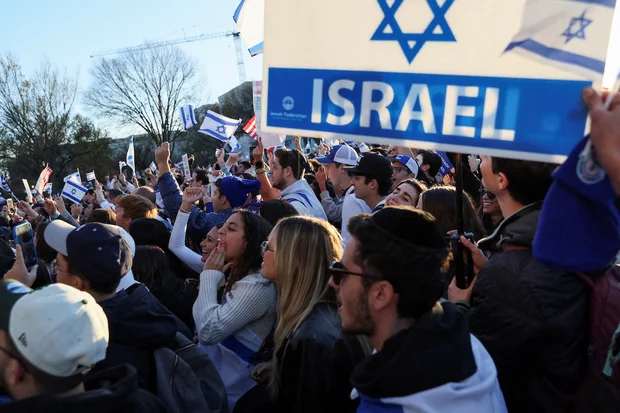
North American Jewish organizations to recruit 100 professionals to combat antisemitism
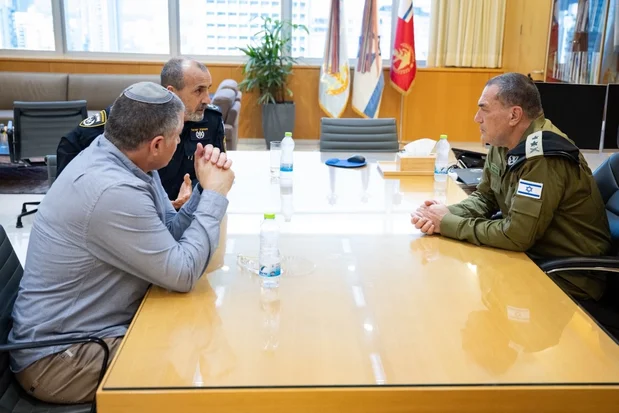
‘No need’ for pre-election Iran strike, IDF chief says as gov’t, opposition trade blame for potential escalation – report
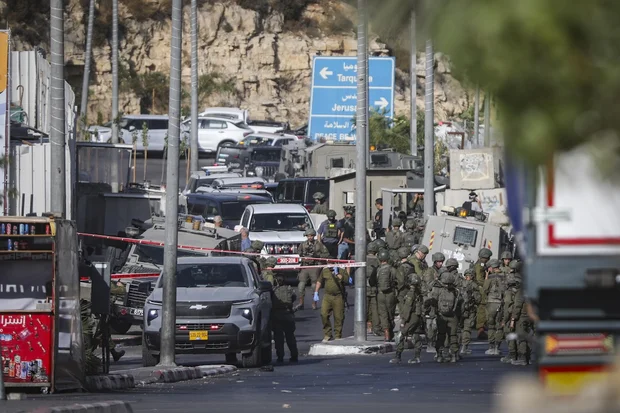
terror attack 2 Israeli soldiers killed, 2 terrorists eliminated in Hebron shooting; IDF says much larger attack was prevented
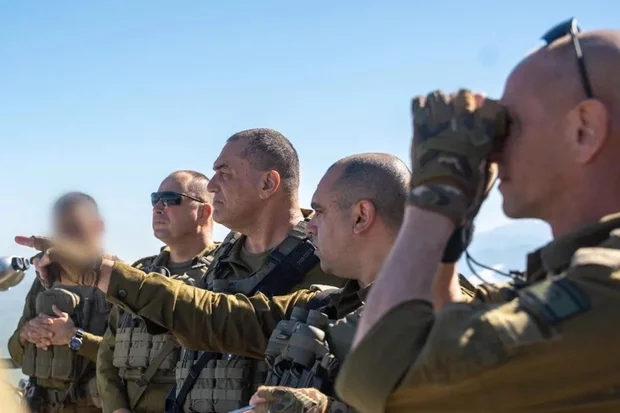
analysis A people dwelling securely? Israel’s strategic standing, 3 years after Oct 7
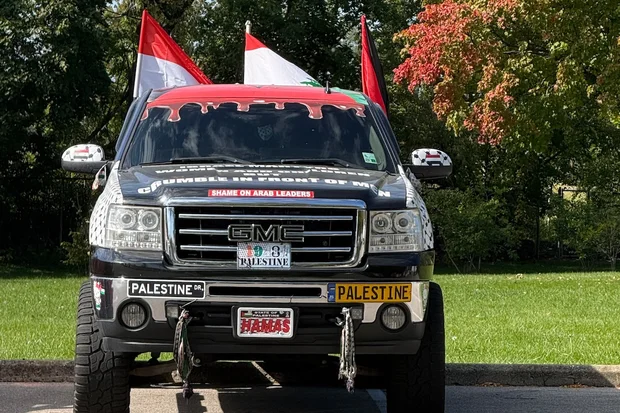
Hamas on wheels: What I found in Dearborn reveals a troubling history and a battle over Israel