Election uncertainty weighs on shekel as Israeli stocks fall
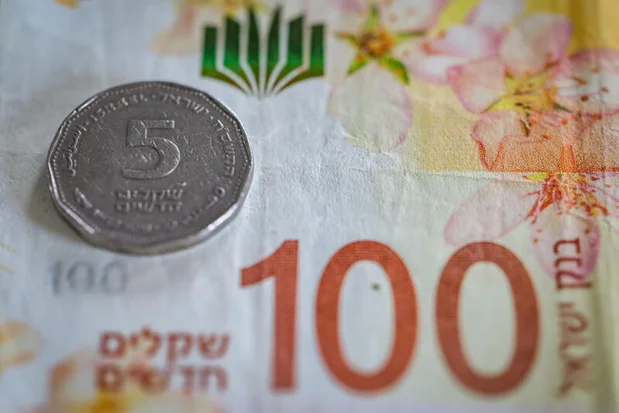
The Tel Aviv Stock Exchange fell sharply on Wednesday morning following Tuesday’s inconclusive election results in Israel.
The TA-125 fell about 2.1%, while the TA-35 declined as much as 1.7%, after gains of around 2% across the market on Monday, ahead of the election.
Financial and real estate stocks led the declines as the shekel weakened against the U.S. dollar and the euro. The banking index fell nearly 3% before midday, while the insurance index dropped 3.78% and the financial services index lost as much as 3.4%. The real estate index fell 3.66%, the construction index nearly 4%, and the infrastructure index more than 2%.
Shares of major Israeli financial institutions, including First International Bank, Israel Discount Bank, Bank Hapoalim, Mizrahi Tefahot and Bank Leumi, also fell sharply.
Joseph Fraiman, CEO of financial risk management firm Prico Group, told Ynet News that optimism among voters seeking political change initially drove the dollar lower against the shekel on Tuesday evening, despite the dollar strengthening globally.
He explained, "The updated figures, which showed Netanyahu's bloc gaining strength, raised concerns and triggered another depreciation of the shekel, pushing the exchange rate from NIS 3.02 per dollar back toward 3.10."
Fraiman warned that the dollar could fluctuate sharply as election results are updated, potentially rising to around NIS 3.20 if final results confirm a majority for Netanyahu’s bloc.
A weaker shekel can benefit Israeli exporters, which are typically paid in U.S. dollars or euros, but raises costs for consumers paying for groceries, fuel and other essentials. Fuel and electricity prices are also expected to remain high amid a global shortage of crude oil and refining capacity.
"When business owners wake up to a morning of volatility and a strengthening dollar against the shekel, they wonder what they should do," said Eran Buchris, a certified public accountant and strategic business advisor. "A small business owner who needs to pay a foreign supplier $50,000 this week, for example, should understand that every five-agorot increase in the dollar's exchange rate adds 2,500 shekels to the cost of the transaction, even before fees. For businesses operating on thin profit margins, that could wipe out a significant portion of their profits."
However, it wasn’t all bad news for Israel’s economy on Wednesday. Some companies, including Tower Semiconductor and other hi-tech firms with major operations in Israel, performed better despite the political uncertainty.
Popular article:

interview Easter message of resurrection hope amid war at Jerusalem's Garden Tomb

biblical commentary Let my people go: a Passover message for today

4 IDF soldiers killed, 2 wounded in fighting in southern Lebanon, as Israel eliminates dozens of Hezbollah terrorists

Receive latest news & updates
A message from All Israel News
Help us educate Christians on a daily basis about what is happening in Israel & the Middle East and why it matters.
For as little as $10, you can support ALL ISRAEL NEWS, a non-profit media organization that is supported by readers like you.
Latest articles:

The last votes that could change everything – Israel awaits count of 600,000 'double envelopes'

Historic Arab voter turnout: Results for Ra'am, Joint List shatter records but could harm chances to replace gov't

Netflix hit show 'Nobody Wants This' at center of controversy over star's Israel genocide remarks

Netanyahu, Eisenkot each announce intentions to form Israel’s next government

British Jews show growing interest in aliyah amid antisemitism concerns – includes medical professionals