archaeology Dig at possible site of Joshua’s tomb is underway
The site, mentioned in historical documents, also contains remnants from Roman and Ottoman periods
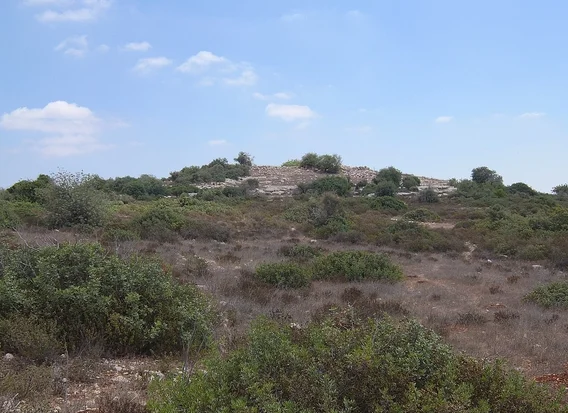
A dig in northern Samaria has begun at the site believed to be the burial place of Joshua.
Working under the direction of Dr. Dvir Raviv, students from the Bar-Ilan University Department of Land of Israel Studies and Archaeology and volunteers from Israel and abroad have begun digging at Khirbet Tibnah, located on a hill in the southwest area of Samaria, east of Shoham near Halamish.
This region was populated from as early as the Bronze Age up until the start of the Ottoman era – about 4,000 years. It is believed that Joshua – the biblical Israelite leader and successor of Moses – lived and was buried at this site.
The possible presence of Joshua’s body at this site is supported by the fact that it is also referred to as Timnath-heres or Timnath-serah, a town mentioned in the Bible as having been given by the Israelites to the prophet and in which he is believed to have lived and been buried. Caleb – the other biblical spy who is said to have delivered a good report along with Joshua – is also believed to have lived here.
The site, which was surveyed as early as the 18th century and is mentioned in a number of historical documents, contains remnants from the Roman and Ottoman periods that were discovered throughout the 19th century.
In 2015, Raviv produced a detailed map of the site showing tombs, which he also sketched. He collected fragments of pottery and documented various remains that showed proof of past Jewish settlement in the area.
“My goal in this project is to understand the architectural outline of the settlement: Is it indeed fortified as described in the sources? Who lived there in the pre-Hasmonean period? Did the settlement spread beyond the top of the mound, towards the slope? Will we discover items in it that can be linked to military presence in different periods? It seems that [Khirbet] Tabna is expected to yield significant and interesting findings,” Raviv said.
Although these surface surveys have been carried out in the past, this present excavation is the first at Khirbet Tibnah. During preparations for the excavation last week, a Roman spearhead from the 2nd century was found that had a bent tip, meaning that it had hit something.
“Perhaps this is evidence of a violent struggle. At this point, we can only guess,” Raviv said in a Bar-Ilan press statement.
He added that such finds are rare in Israel and hoped that it could be linked “to a Roman military presence or to the Bar Kochba rebellion.”
In addition to the spearhead, pottery and 18 coins were also found. Four of the coins were well enough preserved to be identified. One is Roman and dates from 58-59 A.D. Another silver coin is from the Mamluk period (1260-1277) and shows the figure of a lion which is a symbol for the Mamluk Sultan Baibars.
“This area is the largest and most accessible of its kind in the space between Jerusalem and Samaria. In addition, it is the capital of a district and was an important fortified site throughout many periods,” Raviv said.
“In general, it is not obvious that an Israeli archaeologist will excavate in Judea and Samaria these days. Today there are only a few who do so.”
Popular article:

interview Easter message of resurrection hope amid war at Jerusalem's Garden Tomb

biblical commentary Let my people go: a Passover message for today

4 IDF soldiers killed, 2 wounded in fighting in southern Lebanon, as Israel eliminates dozens of Hezbollah terrorists

Receive latest news & updates
A message from All Israel News
Help us educate Christians on a daily basis about what is happening in Israel & the Middle East and why it matters.
For as little as $10, you can support ALL ISRAEL NEWS, a non-profit media organization that is supported by readers like you.
Latest articles:

editorial Evangelical Christians, please vote: The future of the US-Israel alliance is on the line
Breaking silence, Liberman annouces he will support Eisenkot for PM, Lapid for Knesset speaker
Israel's Christian ambassador warns against support for Muslim Brotherhood candidates
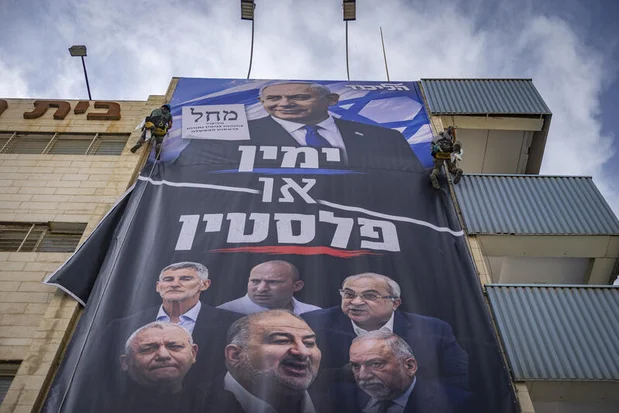
Eisenkot slams Likud for ‘malicious attempt to deny election results’ amid foreign interference probe
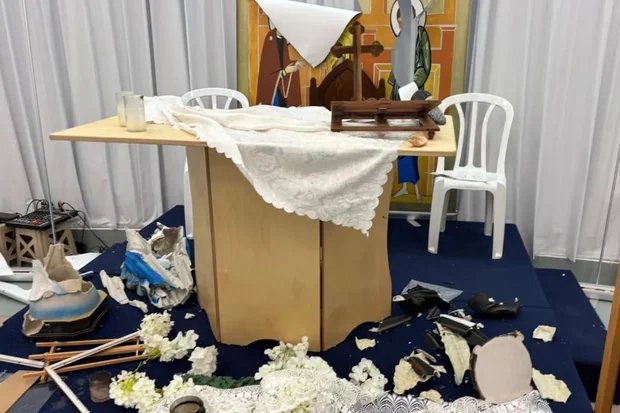
Maronite community forgives vandals who targeted historic church in Nahariya