Netanyahu leaves Starlink device for Iranian delegation at UN: ‘Their murderous regime will fall’
Israeli Prime Minister Benjamin Netanyahu brought a Starlink satellite internet device to the United Nations General Assembly on Thursday, using it to criticize the Iranian government’s restrictions on internet access and predict the eventual fall of the regime.
“This is a communications device that enables people to access the truth. That is what the Iranian regime fears. It spends billions to censor the internet,” Netanyahu said, according to a statement released by Israel’s Government Press Office.
Netanyahu said he intended to leave the device with the Iranian delegation at the UN.
“I’m going to leave this device with the Iranian delegation. When they inevitably defect, they’ll be able to tell their story on social media,” he said.
The prime minister concluded by predicting political change in Iran.
“One day and that day is not far off, the Iranian people will be free, and their murderous regime will fall.”
Popular article:

interview Easter message of resurrection hope amid war at Jerusalem's Garden Tomb

biblical commentary Let my people go: a Passover message for today

4 IDF soldiers killed, 2 wounded in fighting in southern Lebanon, as Israel eliminates dozens of Hezbollah terrorists

Receive latest news & updates
A message from All Israel News
Help us educate Christians on a daily basis about what is happening in Israel & the Middle East and why it matters.
For as little as $10, you can support ALL ISRAEL NEWS, a non-profit media organization that is supported by readers like you.
Latest articles:
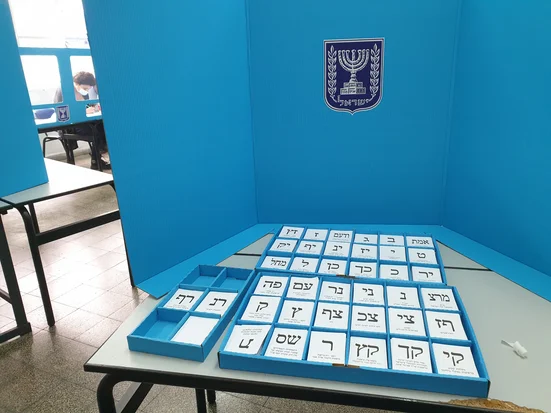
explainer Israel’s Election System 101: All you need to know from voting to coalition governments
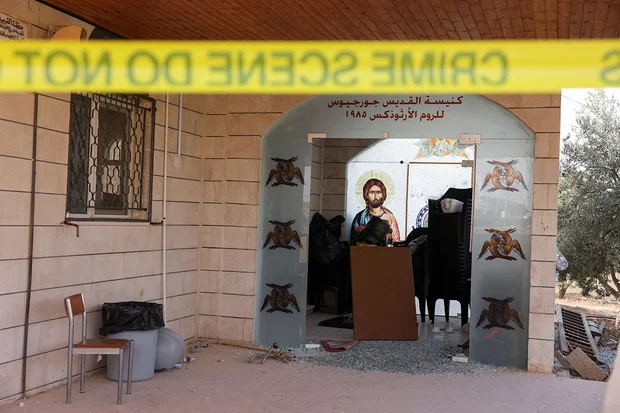
Pray urgently for Jordan’s Christians — King Abdullah II vows justice for 9 dead, 40 wounded in terror attack on church
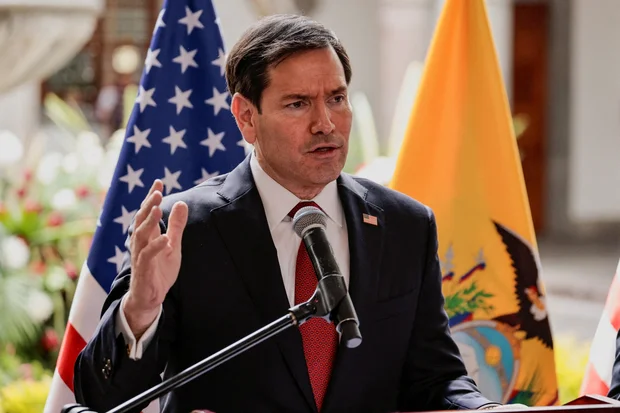
Iran allegedly steps up assassination plots against US officials amid regional tensions

IDF launches counterterrorism operation in Hebron after two soldiers killed

Ahead of Israel's elections, President Herzog's 'Voice of the People' shows how unity can begin with a conversation