Boycotts of Israeli settlements threaten 4,000 Palestinian jobs


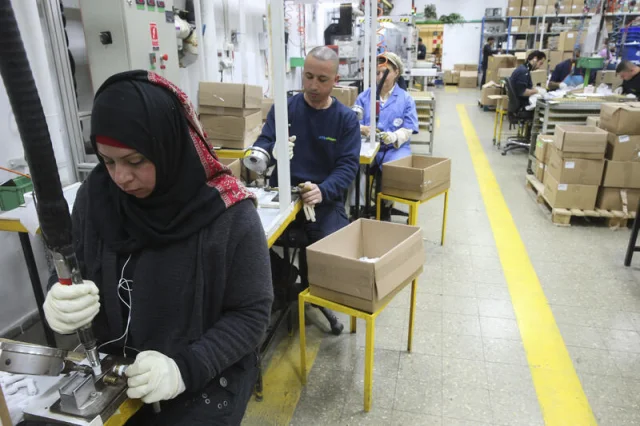
Industry leaders estimate that around 4,000 Palestinians legally employed in factories and industrial zones in Judea and Samaria could lose their jobs as Western governments move to restrict imports of goods produced in the region.
Spain, Ireland and the Netherlands have already initiated bans on imports of goods produced in Judea and Samaria, while similar measures are being considered or pursued in other European countries and Canada. Israeli officials and manufacturers say the impact is already being felt, with long-standing customers declining to renew contracts and new orders drying up.
Israel's Economy and Industry Ministry, its Foreign Trade Administration and the Manufacturers Association of Israel have all reported a growing chilling effect on business, even before the full impact of the measures has been felt.
The Manufacturers Association says the situation recalls what happened to SodaStream, which faced a targeted boycott campaign by the Boycott, Divestment and Sanctions (BDS) movement.
In 2015, the company moved its operations from a factory in the Mishor Adumim industrial park to a new facility in the Idan HaNegev industrial park near Rahat in southern Israel. The move cost hundreds of Palestinians their jobs at the original plant, although the company continued to grow and expand its global market share.
Industry leaders fear similar consequences could unfold on a larger scale.
The sprawling Barkan industrial zone, home to dozens of factories producing consumer goods and food products, employs thousands of Jewish and Arab workers and is considered particularly vulnerable. The Mishor Adumim and Ariel industrial zones also face significant financial risks if exports decline.
"The boycott of factories in Judea and Samaria is a cynical measure that first and foremost harms Palestinian workers," Avraham (Novo) Novogrotcki, president of the Manufacturers Association of Israel, told Ynet and its financial supplement, Mamon.
"While various organizations present it as a moral step, in practice those paying the price are thousands of workers and their families who are losing a stable and dignified source of income," Novogrotcki said.
"Instead of building economic bridges between Israelis and Palestinians, some are choosing to tear them down. Industry creates jobs, stability and hope, while the boycott creates exactly the opposite," he explained.
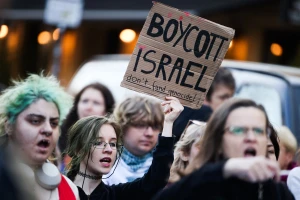
The expansion of boycotts targeting goods and services produced in Judea and Samaria comes amid a broader rise in anti-Israel sentiment across many Western countries.
While some governments have introduced or pursued restrictions in response to political pressure, industry representatives warn that the consequences extend beyond the targeted factories and their workers.
Protests against Israel have become common in Western capitals, and some governments have faced pressure to demonstrate that they are responding to public demands. However, the rhetoric surrounding these demonstrations suggests that restricting goods from Judea and Samaria may not satisfy all those opposing Israel.
Israeli economists also warn that the economies of Israel and Judea and Samaria are closely interconnected, meaning that measures targeting businesses in the region could have wider economic consequences.
Meanwhile, the Israeli government is exploring export opportunities in Latin America, India and East Asia to help compensate for potential losses in European and Canadian markets.
You might also like to read this: