After two years of war nearly one-third of Israelis need professional mental health support - survey



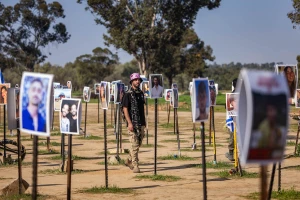
Nearly one third of Israelis (32%) require professional mental health support, according to a December survey conducted by Maccabi Healthcare Services. The high figure indicates that the trauma from the Hamas Oct. 7, 2023, attack continues to have a significant impact on Israeli society. Hamas terrorists murdered some 1,200 Israelis and kidnapped 251 people from southern Israeli border communities.
Approximately 17% of respondents said their mental state was fair to poor, up from 13% before the attack. The survey was based on a nationwide sample of 1,100 Israelis aged 20 to 75.
“In a period of change and uncertainty, it is essential to understand the health of Israeli citizens based on up-to-date objective data alongside the public’s own perceptions,” said Sigal Dadon-Levi, CEO of Maccabi.
The survey revealed that the situation is even worse among Israeli military personnel. Some 39% of IDF personnel report that they continue to require mental support. About 26% said they are concerned about falling into depression. Almost half (48%) report that they have difficulties sleeping.
While many Israelis struggle with mental health issues, 62% of the respondents described their physical health as very good or even excellent – an improvement compared to the period before Oct. 7. Only 9% of the respondents described their physical health as fair or poor, which is considerably less than the situation before the war.
Despite the reported improved physical health among Israelis, the survey revealed that smoking in the Jewish state has increased by 30% during the past year. Maccabi’s data also showed that Israelis are increasingly making use of fitness services, with Pilates ranking as the most popular activity, followed by gym workouts and yoga.
The Defense Ministry’s Rehabilitation Division reported in September that it had treated over 20,000 wounded Israelis since the Oct. 7 attack over two years ago. A whopping 92% of the treated individuals are reportedly men and IDF reservists constitute 64% of the total number of treated people. Over half (56%) of the individuals are still dealing with psychological trauma or stress issues.
Israeli psychiatric experts warned in January 2024 that the Hamas atrocities had triggered the most severe mental trauma in Israel’s modern history. Eli Cohen, CEO of Clalit, Israel’s largest HMO, said that much of its resources were devoted to treating people with various post-Oct. 7 trauma.
"As Israel's largest HMO, serving over 50% of the country's population, most of those displaced by the situation in the north and south are our patients. Given the growing number of mental health inquiries, we are taking proactive and rapid measures. This initiative, supported by the best professional standards, will swiftly and effectively expand our response to the current and future challenges," Cohen said at the time.
You might also like to read this: