Archaeology New study proves Jerusalem was already a significant city during biblical King David's reign
New discoveries challenge old scientific positions
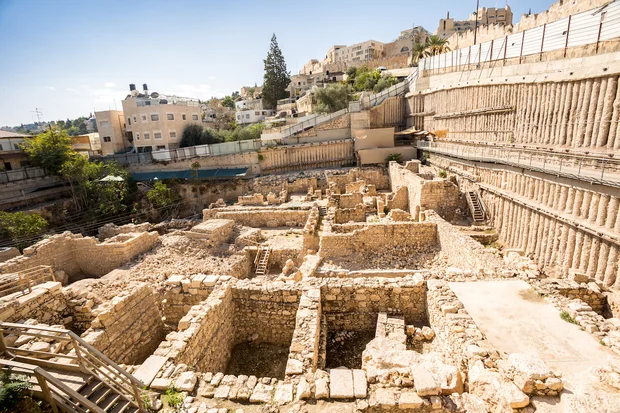
A recent revolutionary radiocarbon-based research and investigation of Jerusalem's First Temple Period has ignited fresh discussions regarding the historical accuracy of biblical narratives concerning King David's reign.
Spearheaded by researchers from the Weizmann Institute, Tel Aviv University, and the Israel Antiquities Authority (IAA), the study challenges the prevailing idea that ancient Jerusalem was merely a diminutive hamlet during David's rule. Instead, it proposes a more intricate urban environment and sheds light on the city's early development.
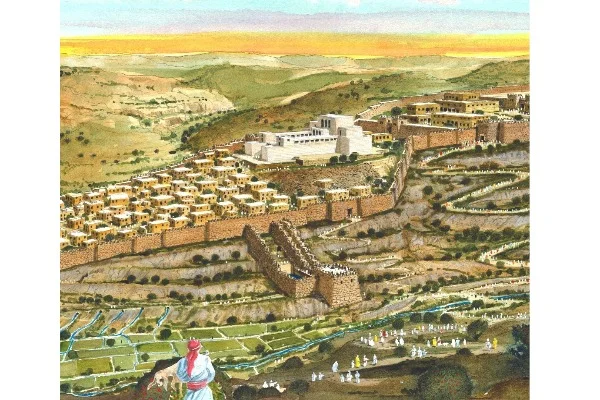
The study published in PNAS by Israeli archaeologists Johanna Regev, Yuval Gadot, and Joe Uziel (and others), represents the first large-scale effort to reconstruct Jerusalem's ancient history using radiocarbon dating.
Through an examination of over 100 specimens from Iron Age sites across the City of David, researchers gleaned data spanning from the 12th century B.C. to the Babylonian devastation in 586 B.C. While the study does not directly concern the personal historicity of David and Solomon, it furnishes valuable insights into the social dynamics of Jerusalem during their reigns.
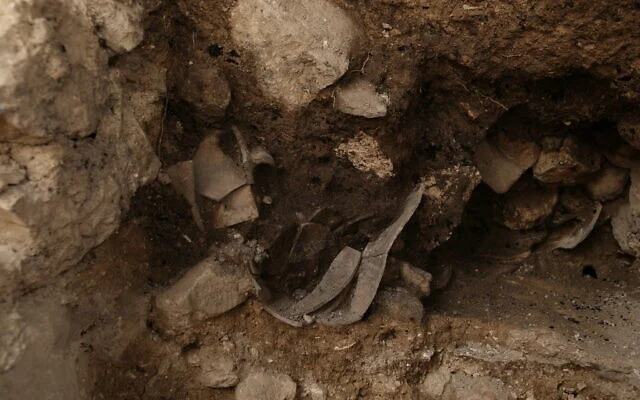
A pivotal discovery of the study is the extensive habitation of Jerusalem during the 12th-10th centuries B.C., challenging previous assumptions about the city's magnitude and importance. Significantly, multiple dates are linked to early Iron Age pottery, indicating a more sophisticated urban center at that time than had been previously inferred.
According to the study's results, 20% of the radiocarbon data dates to the early Iron Age period, fitting with the timelines of the reigns of David and Solomon. This result is major and indicates this was a significant time of settlement in Jerusalem.
However, the interpretation of these findings presents its share of challenges. Despite indications of large-scale habitation, the study's specimens often lack distinct associations with architectural remnants, complicating endeavors to reconstruct the city's configuration and infrastructure.
Nevertheless, the study's accuracy in dating materials specifically to the 8th until the 6th centuries B.C. constitutes a noteworthy accomplishment.
This provides insights into pivotal junctures in Jerusalem's past, such as the Assyrian siege, the Babylonian destruction of the city and a seismic event described in the Bible: According to some Israeli scholars, the broad wall called “Hezekiah's Wall” – initially dated to the 8th century B.C. – should be dated earlier (100 years before), to the King Uzziah rebuilding Jerusalem following an earthquake due to new understandings as a result of the study.
We know that Uzziah had already built up the fortifications of the city, and not just Hezekiah later on. The Bible even makes a clear mention of this:
Moreover, Uzziah built towers in Jerusalem at the Corner Gate and at the Valley Gate and at the Angle, and fortified them (2 Chron 26:9).
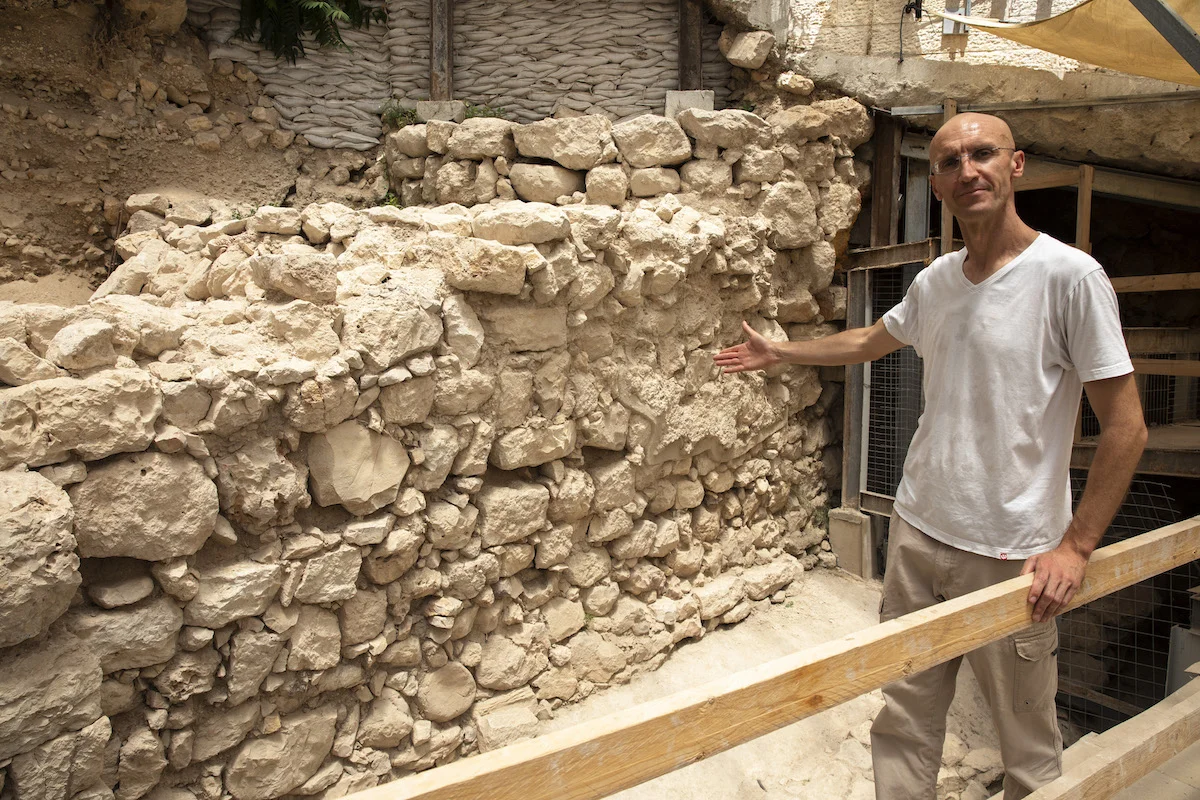
Dr. Elisabetta Boaretto, spearheading the research at the Weizmann Institute, underscores the significance of these findings in bridging the chasm between science and history. By establishing an "absolute chronology" of Iron Age Jerusalem, the study challenges conventional academic narratives and opens up new avenues for delving into the city's past from a more scientific standpoint.
Due to these research results, Israeli archaeologists and newspapers that aren’t specifically following maximalist ideas in archaeology, have admitted in public statements – or through their publications – the importance of Jerusalem during this period, which previously went unrecognized in literature and mainstream academic research.

In recent years, many new findings and research have revolutionized the archaeological interpretation that tended previously to be ‘minimalistic' – meaning it saw the Bible as a non-historical record.
Today, these new understandings are changing the common academic interpretations to be more ‘maximalist’ and to give more historical credit to the bible's narrative.
Recently, new research from the Hebrew University showed the biblical Kingdom of Judah expanded earlier than originally thought, and enlarged itself during King’s David time.
The Ophel excavations at Jerusalem, led by the late archaeologist Eilat Mazar, showed stunning results and discoveries giving credence to specific biblical chronology and biblical accounts: Several written inscriptions (Bullae) mentioning biblical names, massive buildings, and other items all dating from the 10th century B.C. to 586 B.C., the date of the Babylonian destruction of Jerusalem.
A world premiere exhibition – "Kingdom of David and Solomon Discovered" – is currently on display in the United States and covers the main items discovered during these last years that are directly connected to the historicity of the kingdoms of King David and King Solomon.
Every person interested in biblical history should visit the new exhibition in Oklahoma, as it introduces a totally unique concept never seen before.
Tel Aviv University Prof. Yuval Gadot characterized the results of the radiocarbon study as a paradigm shift, underscoring the ramifications for our comprehension of ancient Jerusalem's urban milieu.
The study indicates a more evolved cityscape than previously posited, paving the way for further interdisciplinary exploration of Jerusalem's illustrious history.
Popular article:

interview Easter message of resurrection hope amid war at Jerusalem's Garden Tomb

biblical commentary Let my people go: a Passover message for today

4 IDF soldiers killed, 2 wounded in fighting in southern Lebanon, as Israel eliminates dozens of Hezbollah terrorists

Receive latest news & updates
A message from All Israel News
Help us educate Christians on a daily basis about what is happening in Israel & the Middle East and why it matters.
For as little as $10, you can support ALL ISRAEL NEWS, a non-profit media organization that is supported by readers like you.
Latest articles:

1969 Dutch Eurovision winner Lenny Kuhr moves to Israel – cites antisemitism, family ties

Israel bars French far-left leader Mélenchon in response to France's entry ban on settlement leader

Change Bloc divided over coalition with Arab or ultra-Orthodox parties after week of negotiations

Huckabee fires back as Senate Democrats target US-Israel intelligence ties: 'Shocking!'

Israeli blood test detects early breast cancer with 95% accuracy, assesses recurrence risk