The fig tree: Unveiling its unique and central significance across Israel
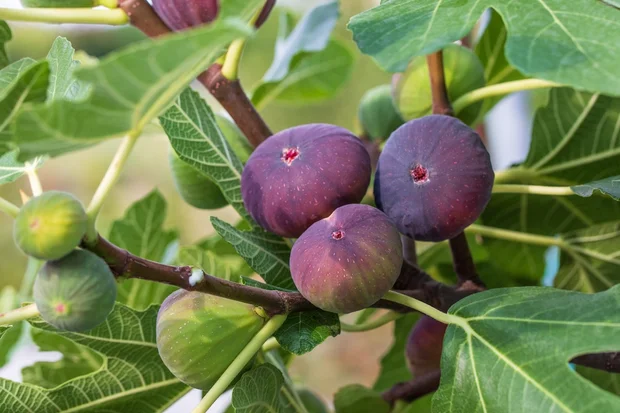
Among the seven species listed in the Bible, the fig tree represents the Promise Land's produce, abundance, and sweetness (Deut. 8:7-9, Judges 9:10-11). More specifically, it is mentioned as a powerful symbol of fertility and virtues (Hos. 6:9) as well as a loss of God's blessings (Jer. 8:13) and spiritual barrenness (Luke 13:6-9, Mark 11:12-14).
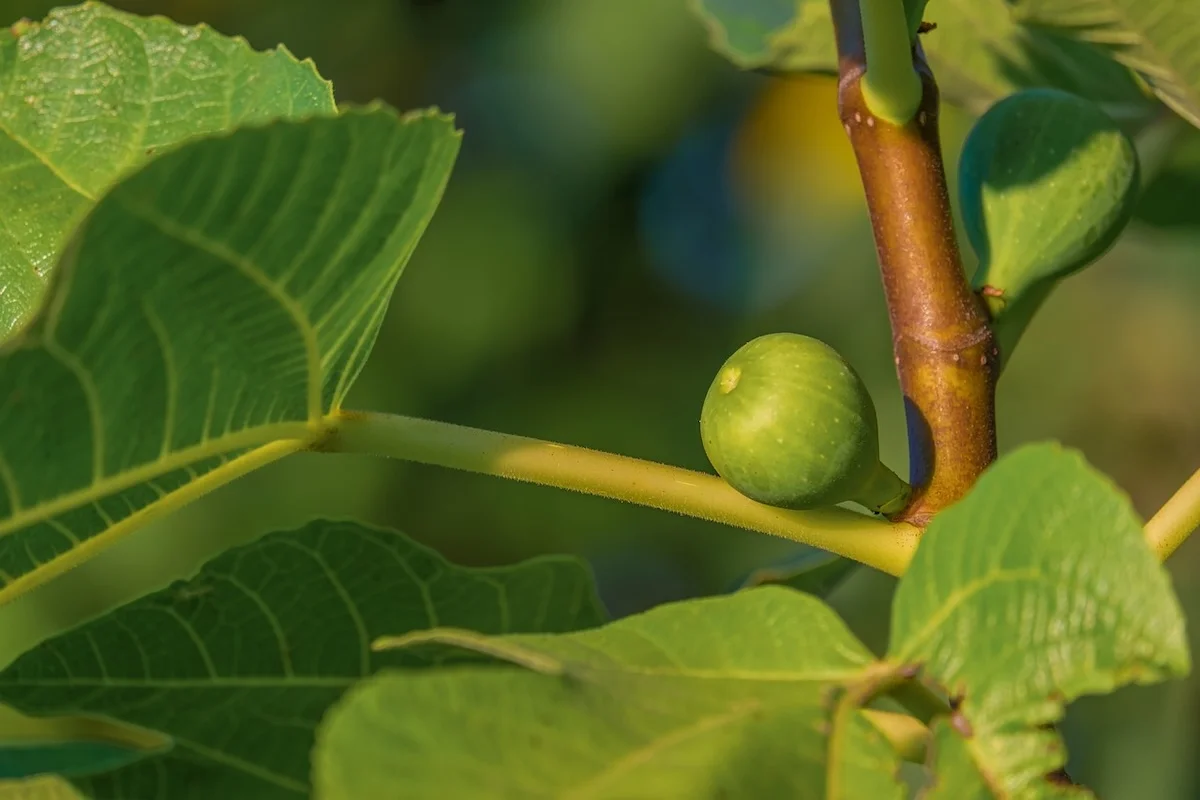
Fig trees are distinguished by their broad branches and thick, hand-shaped leaves that offer ample shade. They bloom in spring and summer, but their flowers are invisible, hidden inside the young figs. These tiny buds have an opening at the top, allowing insects to enter and lay eggs, facilitating pollination and faster fruit maturation.
Interestingly, figs have two seasons: from June to mid-August, and then from late October to the end of February, which can be extended as late as the end of May.
The main fig-growing regions include the Jordan Valley, the Coastal Plain, and the Galilee, where the climate and soil conditions are favorable for cultivation. Modern farming techniques, including advanced irrigation and pest management, ensure year-round production of figs, encompassing varieties like the Common fig (Ficus Carica), as well as specific types like the Black Mission and Kadota.
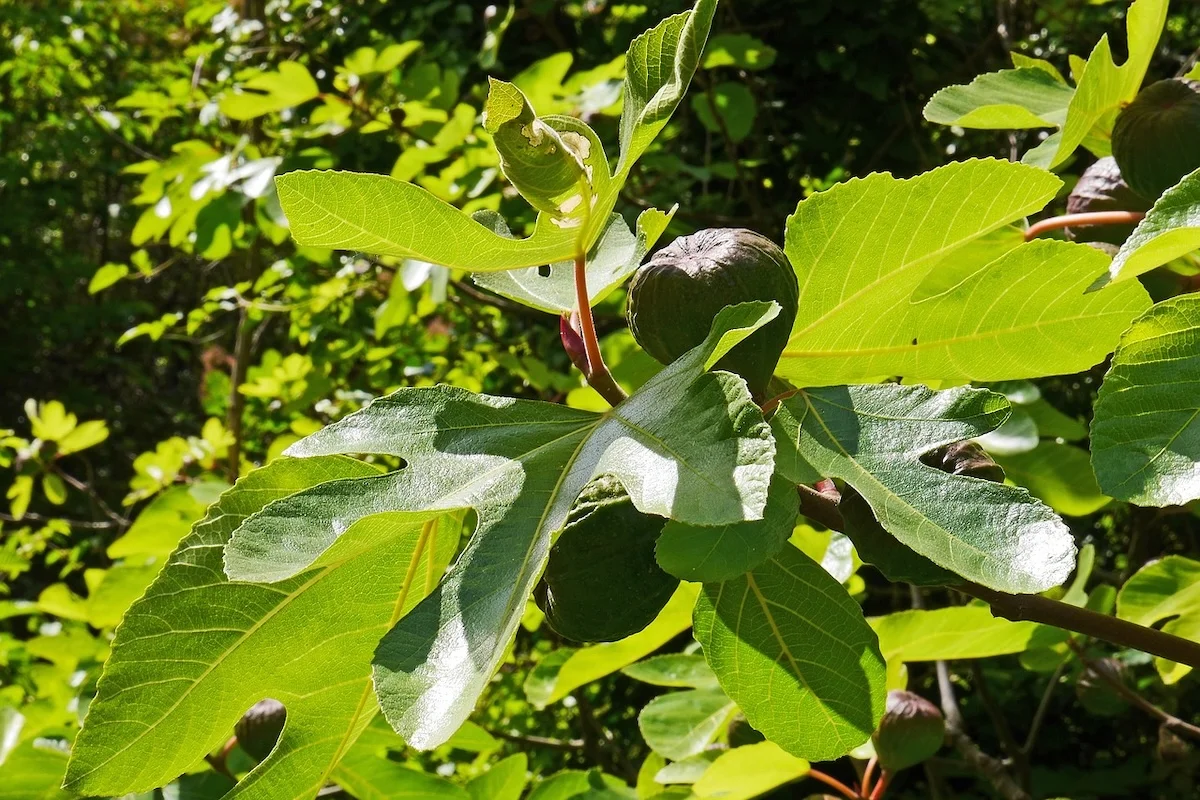
Highly valued for their nutrition and versatility in fresh or dried forms, Israeli figs are known for their sweetness, flavor, and nutritional value with diverse culinary and medicinal uses. In Israel, figs have been a key agricultural product, frequently mentioned alongside grapes, olives and pomegranates.
Israel exports a significant portion of its fig production to international markets, contributing to its agricultural economy. However, the industry not only supports local farmers but plays a cultural role, as figs hold symbolic significance in the region, dating back to ancient times.
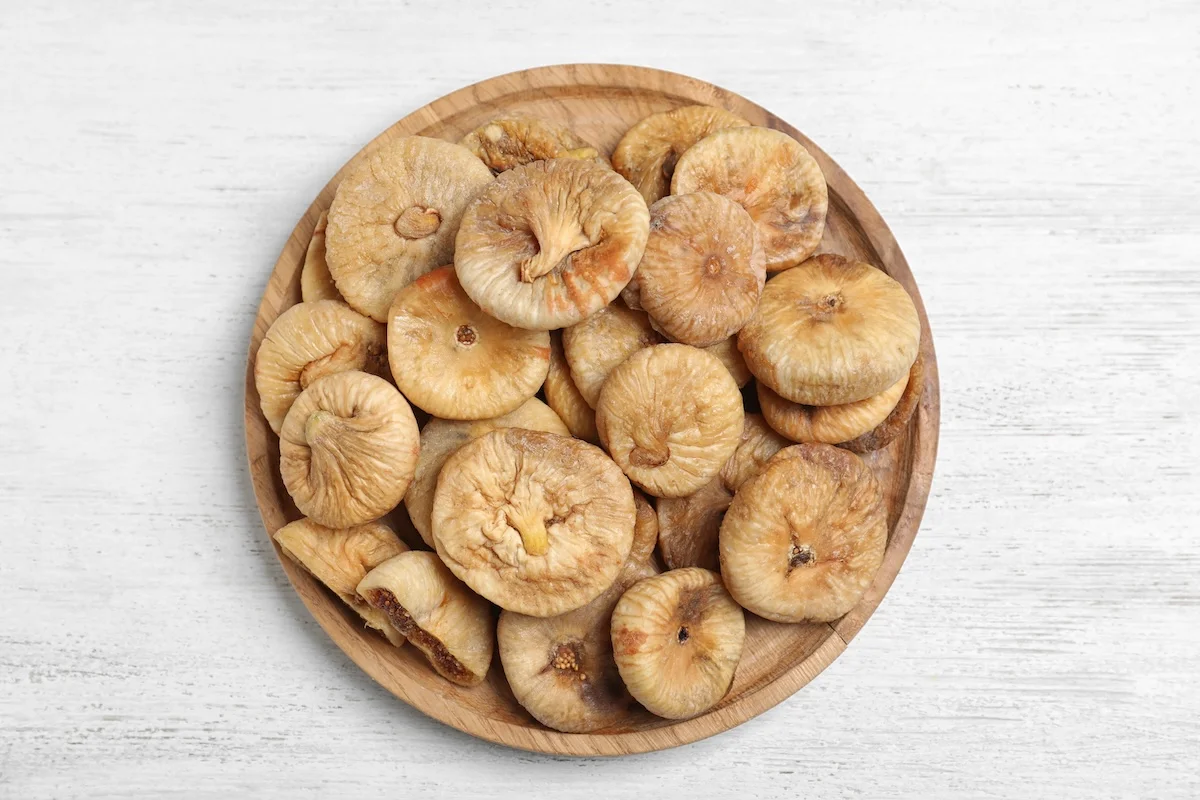
Historical references often emphasize the importance of figs in the Israeli diet, customs, and landscape. Along with grapes and pomegranates, they were common in Canaan and often dried into "fig cakes" (1 Sam. 25:18, 30:12; 2 Kings 20:7; 1 Chron. 12:40) for extended storage, benefiting travelers (1 Sam 25:18-35, 30:11-12; 2 Sam 16:1-2).
Eating from or sitting under a fig tree symbolized peace and security (Mic. 4:4; Zech. 3:10), while its decline signaled troubled times (Jer. 5:17; Joel 1:7, 12; Amos 4:9; Mic. 7:1; Hab. 3:17; Ps. 105:33).
Whereas Israel's spiritual journey resembled the fig tree, which produces two harvests but often fails to yield lasting fruit, this promised transformation would cultivate a flourishing relationship with the Father, bearing fruit under a new covenant (Jer. 31:31).
Drawing a connection between the Old and New Covenants, Jesus/Yeshua uses the fig tree's seasonal growth to illustrate Israel's spiritual cycles (Matt. 24:32).
Just as the budding of the fig tree heralds summer and signifies imminent blessings, Israel may anticipate a future characterized by spiritual revival and productivity, bearing enduring spiritual fruit.
Popular article:

interview Easter message of resurrection hope amid war at Jerusalem's Garden Tomb

biblical commentary Let my people go: a Passover message for today

4 IDF soldiers killed, 2 wounded in fighting in southern Lebanon, as Israel eliminates dozens of Hezbollah terrorists

Receive latest news & updates
A message from All Israel News
Help us educate Christians on a daily basis about what is happening in Israel & the Middle East and why it matters.
For as little as $10, you can support ALL ISRAEL NEWS, a non-profit media organization that is supported by readers like you.
Latest articles:
With over 85% of votes counted, Israeli elections end without clear path to viable coalition

Trump to impose unity government on Israel? - Reports claim US president pushing for government without controversial ministers
US tells Gulf nations to prepare for possible military campaign in Iran following midterm elections
The last votes that could change everything – Israel awaits count of 600,000 'double envelopes'
Election uncertainty weighs on shekel as Israeli stocks fall