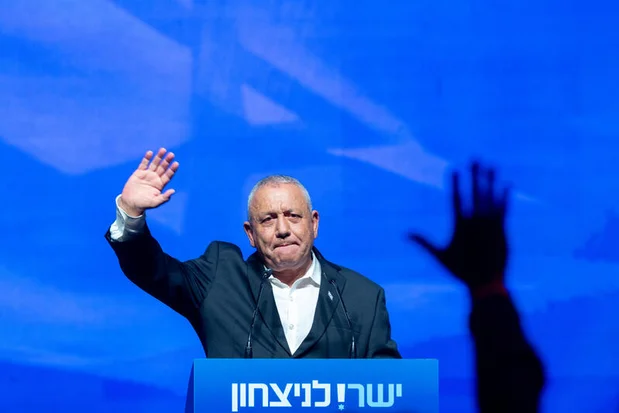
Israelis head to the polls as the nation selects its parties for the 26th Knesset
First vote since Oct 7 expected to produce tight election results
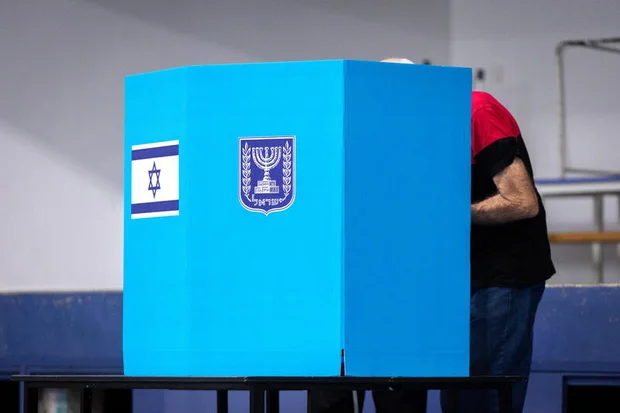
Polls opened in Israel this morning, as voters begin to select parties for the 26th Knesset, as part of a contentious election after almost three years of conflict, following the Oct. 7, 2023, Hamas attacks.
About 7.3 million people are eligible to vote in the election, with around 77% (over 5 million) of voters coming from the Jewish population, 18% (1.15 million) from the Arab sector, and about 5% (over 380 thousand) from a collection of other groups.
Around 12,000 polling stations are open across Israel, with over 95% open by 8:00 a.m. and many staying open until 10:00 p.m., when polling officially ends.
🗳️ Who Are Israel's Eligible Voters? 👥 Total: 7.3 million 📍 Residence 🇮🇱 In Israel: 89% (6.5m) 🌍 Abroad: 11% (810k) Among Voters Residing in Israel: 👥 Population 🔵 Jews: 77% (5.017m) 🟢 Arabs: 18% (1.159m) ⚪ Others: 5% (384k) 🔸 Haredim: 9.4% (684k) 🎂 Age 18–24: 15.1% 25–39: 27.6% 40–59: 31% 60+: 26.3%
— Israel Elects (@israel_elects) October 27, 2026
Several party leaders were among the early voters, casting their ballots, and encouraging their supporters to turn out for the election to determine the next government.
Opposition frontrunner Gadi Eisenkot started the day at Kibbutz Nir Oz, one of the hardest hit communities in the Gaza Envelope on Oct. 7, 2023.
Eisenkot appeared alongside former hostage Gadi Mozes, who spent 482 days in Hamas captivity, calling for Israelis to vote for change, and accusing the coalition government of avoiding responsibility for the Oct. 7 failures.
“If anyone in the government had even a shred of responsibility, they would have started their morning here, in the Gaza border communities,” Eisenkot said. “Three years after the failure, they continue to evade responsibility.”
Families of victims and hostages from the Oct. 7 attacks are holding protests at several places throughout the country, asking voters to hold those in power responsible.
Hawkish opposition MK Avigdor Liberman voted in the settlement of Nokdim, south of Bethlehem, where he lives.
Proud to be Israeli Am Israel Chai! https://t.co/9TeJ81ESNs
— David Saranga (@DavidSaranga) October 27, 2026
“Today you're putting L' in the ballot box and I'm putting an end to the Netanyahu era and the rule of the Haredim!” Liberman wrote to social media after casting his ballot.
Democrats party leader Yair Golan was seen in Rosh HaAyin, voting alongside his wife, where he said, “Today we’re saving Israel.”
Jewish Power party leader Itamar Ben Gvir voted in the settlement of Kiryat Arba, where he lives, while warning against a government with prominent Arab politician Mansour Abbas.
Ultra-Orthodox Shas party head Aryeh Deri also warned of high voter turnout in the Arab sector and among left-wing parties.
“There are expectations of very high voter turnout in left-wing strongholds and in the Arab sector. Tens of thousands have come from abroad to vote, bring down the government and harm the Torah,” Deri warned.
He called on his supporters “to go out and vote immediately.”
“This is truly a situation in which Judaism is in danger,” Deri claimed. “All the great Torah sages are weeping and pleading.”
Pre-election polls have indicated that a greater percentage of the Arab population could vote in this year’s ballots, affecting the total number of seats in the coalition and opposition blocs.
President Isaac Herzog, along with his wife Michal, voted this morning in their Rehavia neighborhood, with the president telling media, “I hope this will be a true holiday for democracy.”
“No one can be allowed to spoil or undermine it,” Herzog added. “We are all equal today.”
Israel's complex and unique elections: Attempted to summarize @JewishWonk helpful thread in this infographic...maybe it helps, some people like graphics/visuals more. https://t.co/xlhny7FZWH
— Seth Frantzman (@sfrantzman) October 26, 2026
At the same time, the Israel Meteorological Service issued warnings for significant precipitation and flashfloods in the Judean Wilderness and the Dead Sea areas. Voters in those areas were encouraged to vote earlier in the day, to avoid risk of road closures or accidents from the expected storm.
Israel Police said they would update the public about any road closures and encouraged the public to be prepared for disruptions in traffic.
Pre-election polls showed a tight race between the Yashar party of Eisenkot and Prime Minister Benjamin Netanyahu’s Likud party. However, those polls also indicate that neither party would be able to form a 61-seat majority in the Knesset.
Failure to form a coalition could lead to repeat elections, as happened between 2019, when controversy over Netanyahu’s premiership, led to three elections within an 11-month period.
Popular article:

interview Easter message of resurrection hope amid war at Jerusalem's Garden Tomb

biblical commentary Let my people go: a Passover message for today

4 IDF soldiers killed, 2 wounded in fighting in southern Lebanon, as Israel eliminates dozens of Hezbollah terrorists

Receive latest news & updates
A message from All Israel News
Help us educate Christians on a daily basis about what is happening in Israel & the Middle East and why it matters.
For as little as $10, you can support ALL ISRAEL NEWS, a non-profit media organization that is supported by readers like you.
Latest articles:
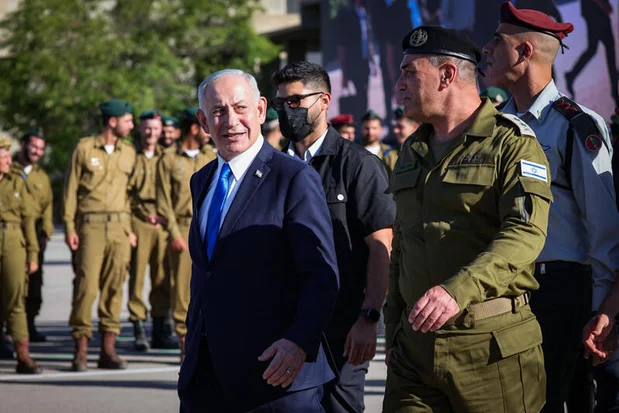
Netanyahu denies reports he will fire IDF chief after election over alleged opposition to Iran strikes
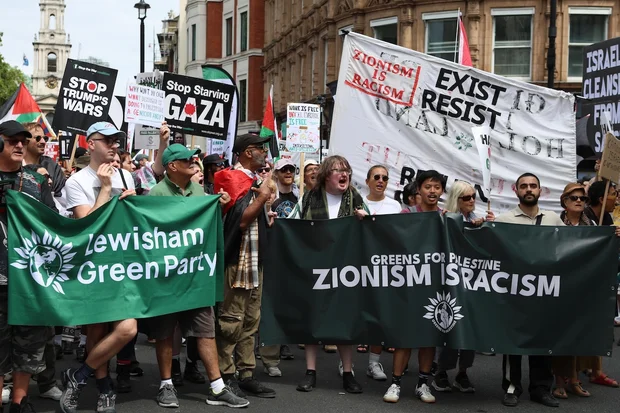
UK Jewish organization declares Green Party racist following 'Zionism is racism' motion
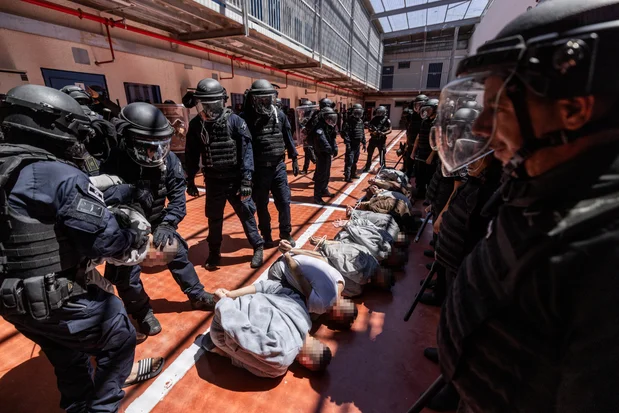
Israel names chief prosecutor as it prepares to try over 400 Hamas terrorists for Oct. 7

Iran hosts ‘Mecca Pact’ members Saudi Arabia, Turkey and Pakistan in effort to avert new escalation with US, Israel

Elections 2026 Want to know what's at stake in Israel's elections? Join us LIVE Tuesday night