










IDF returns to intensive training as fighting continues on multiple fronts
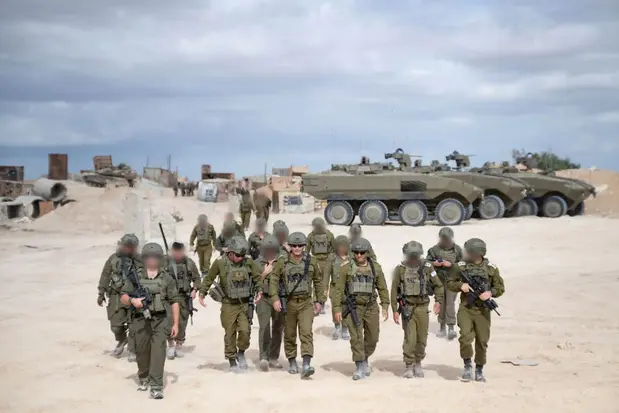
The Israel Defense Forces (IDF) is resuming regular training rotations even as troops continue combat operations in the Gaza Strip, Lebanon and the West Bank, while maintaining a buffer zone in southern Syria.
After three years of sustained warfare, the Israeli military has concluded that battlefield experience alone is not enough to maintain the professional skills and readiness needed for future operations.
The renewed training program will focus on equipment maintenance, combat fundamentals, individual proficiency and command-and-control capabilities, while incorporating lessons and technologies developed during the fighting.
IDF Chief of Staff Lt. Gen. Eyal Zamir recently observed a large-scale training exercise conducted by Nahal Brigade's 50th Battalion at the National Ground Training Center in the Negev.
He was accompanied by Southern Command chief Maj. Gen. Yaniv Asor, Ground Forces commander Maj. Gen. Nadav Lotan, 162nd Division commander Brig. Gen. Sagiv Dahan, National Ground Training Center commander Brig. Gen. Yaniv Barot, Nahal Brigade commander Col. Arik Moyal and other senior officers.
Following the exercise, Zamir addressed the troops and the media, declaring:
“After three years of fighting, the IDF is returning to training. We continue to strengthen defenses along all borders and protect communities from forward defensive zones. At the same time, we are improving the IDF's readiness to return to combat.”
“I expect you, the commanders, to make the most of this valuable training time and strengthen military fundamentals, norms, standards, individual proficiency, discipline and unit cohesion,” he added. “A trained military is a professional military, and it is measured by its ability to arrive prepared for the challenges of the changing battlefield.”
The new program is reportedly designed around shorter, more intensive training rotations that incorporate lessons learned during the past three years of combat.
Soldiers with operational experience are also being encouraged to share their experiences with younger, less experienced recruits, passing on practical battlefield lessons.
New technologies developed under the pressures of combat are being incorporated into the training programs, while equipment considered less relevant to the modern battlefield is being phased out.
Another major lesson from the fighting has been the importance of developing a comprehensive tactical picture, enabling commanders to coordinate operations across wide areas and among multiple units, including forces operating at considerable distances from one another.
The Swords of Iron War also accelerated the promotion of several officers into positions they would normally reach later in their careers, after attending command and staff schools, potentially earning advanced university degrees, and completing other professional development programs. Many of these officers now need opportunities to fill gaps in their professional training and development.
Popular article:

interview Easter message of resurrection hope amid war at Jerusalem's Garden Tomb

biblical commentary Let my people go: a Passover message for today
4 IDF soldiers killed, 2 wounded in fighting in southern Lebanon, as Israel eliminates dozens of Hezbollah terrorists

Receive latest news & updates
A message from All Israel News
Help us educate Christians on a daily basis about what is happening in Israel & the Middle East and why it matters.
For as little as $10, you can support ALL ISRAEL NEWS, a non-profit media organization that is supported by readers like you.
Latest articles:
Israeli Defense Minister warns of chemical weapons threat, extended range of Iranian missiles
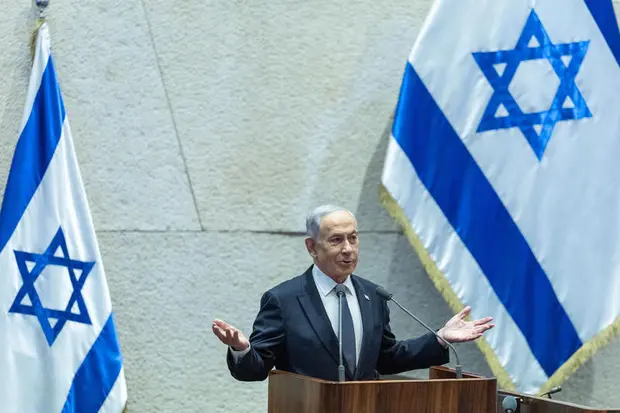
Netanyahu’s allies call to end corruption trial, opposition in stunned silence after court recommends dropping most charges

Israeli Presidential Medal of Honor to be awarded to Evangelical Christian for 1st time
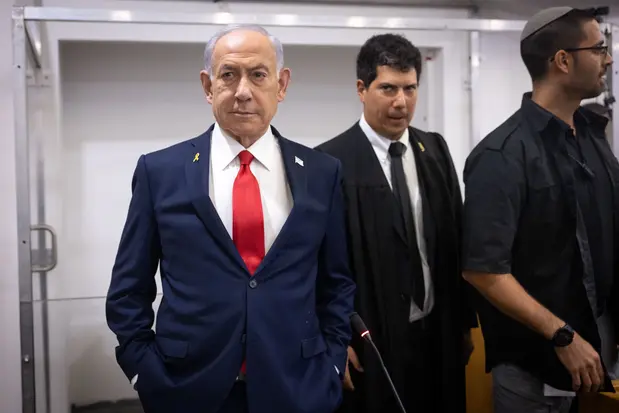
netanyahu trial Netanyahu corruption trial close to collapse as judges recommend dropping most charges, including bribery
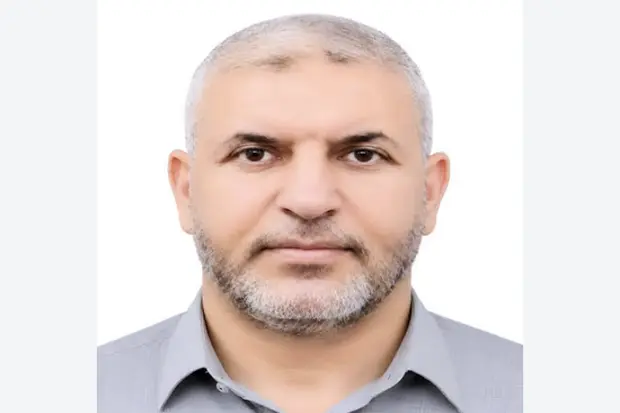
Israel kills new Hamas internal security chief day after eliminating his predecessor