











Survey How do Israelis view the Gaza War after 300 days? Israeli public loses trust in government & IDF to handle war, hostages
Israeli security think tank publishes monthly survey tracking public opinion of leadership during the war
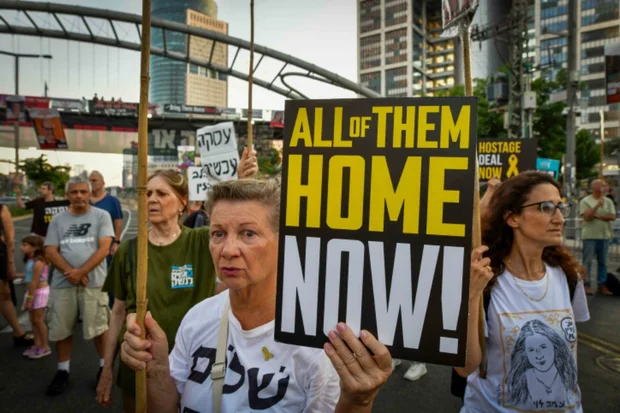
The Israeli think tank Institute for National Security Studies (INSS) published its most recent monthly survey on Monday, gauging public opinion on various aspects of the Iron Swords War (Israel’s name for the Gaza War) initiated by the Hamas invasion on Oct. 7.
INSS has consistently tracked Israeli public opinion during the war, including public trust in the government and the IDF, hot political topics like ultra-Orthodox military enlistment, and relations between Jews and Arabs in Israeli society.
Tracking data over the last few months, with the first survey conducted in April, there appears to be a gradual decline in public trust in both the government and the Israel Defense Forces establishment as the war drags on into its tenth month.
In the April survey, 81% of respondents expressed a high degree of trust in the IDF; however, by July, that number had dropped to 71%.
Public trust in the government, already low since the judicial reform controversy in 2023, was at 23% in April and dropped further to 17% in July.
When respondents were asked to rate their trust in Prime Minister Benjamin Netanyahu and IDF Chief of Staff Herzi Halevi, there was a noticeable decline, particularly for Halevi.
In April, 27% of those polled had expressed a high degree of trust in Netanyahu, while 60% expressed a high trust level for Halevi.
However, in July, results for Netanyahu dropped only two percentage points (25%), while the public trust level for Halevi fell to 42%.
When asked about their level of trust in IDF Spokesman Brig.-Gen. Daniel Hagari, 69% of respondents reported a high degree of confidence in his statements in April, however, this fell to 54% in July.
Despite the decline in public trust in the government and the military, there was a slight improvement in public opinion regarding Israel’s chances of winning the war.
In April, 58% of those polled were confident that the IDF would win the war. By July, this confidence had risen to 61%.
The question of how Israel should respond to Hezbollah aggression in the north saw a slight change, with just under half of respondents in July agreeing that Israel should “initiate wide-scale military action even at the risk of igniting a regional war” compared to only about one-third who supported this statement in April.
Regarding the government's handling of the hostage situation, half of all respondents gave a low score in July.
When asked about a sense of solidarity in Israeli society following the outbreak of war, the July survey showed a slight decline in those feeling a greater sense of solidarity and an increase in those who felt it had diminished.
For the full results of the survey, click here.
Popular article:

interview Easter message of resurrection hope amid war at Jerusalem's Garden Tomb

biblical commentary Let my people go: a Passover message for today

4 IDF soldiers killed, 2 wounded in fighting in southern Lebanon, as Israel eliminates dozens of Hezbollah terrorists

Receive latest news & updates
A message from All Israel News
Help us educate Christians on a daily basis about what is happening in Israel & the Middle East and why it matters.
For as little as $10, you can support ALL ISRAEL NEWS, a non-profit media organization that is supported by readers like you.
Latest articles:

Israeli Arab charged with spying for Iran, citing ideological motives
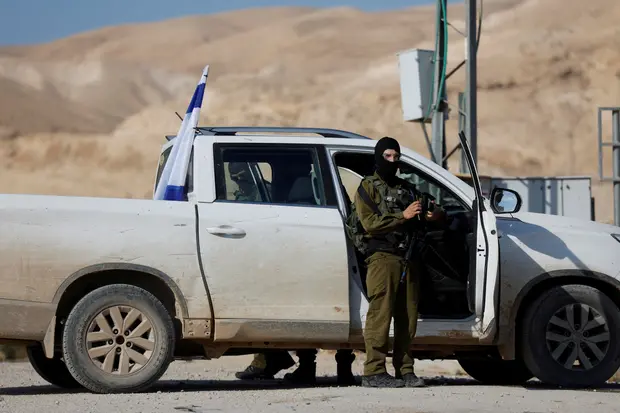
3 Israelis injured, 1 Palestinian woman killed in violent incident outside new Jericho settlement
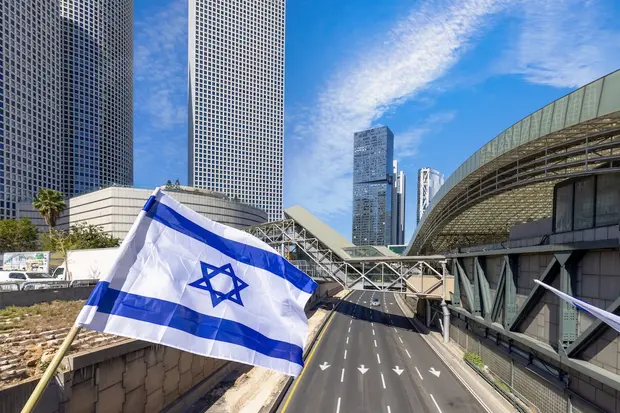
Israel rises to world's 25th-largest economy despite war, boycott calls

US envoy Waltz visits Lebanon amid discussions over new peacekeeping force, stalled Hezbollah disarmament

Despite years of war, Israeli children and teens report high levels of life satisfaction, international surveys find