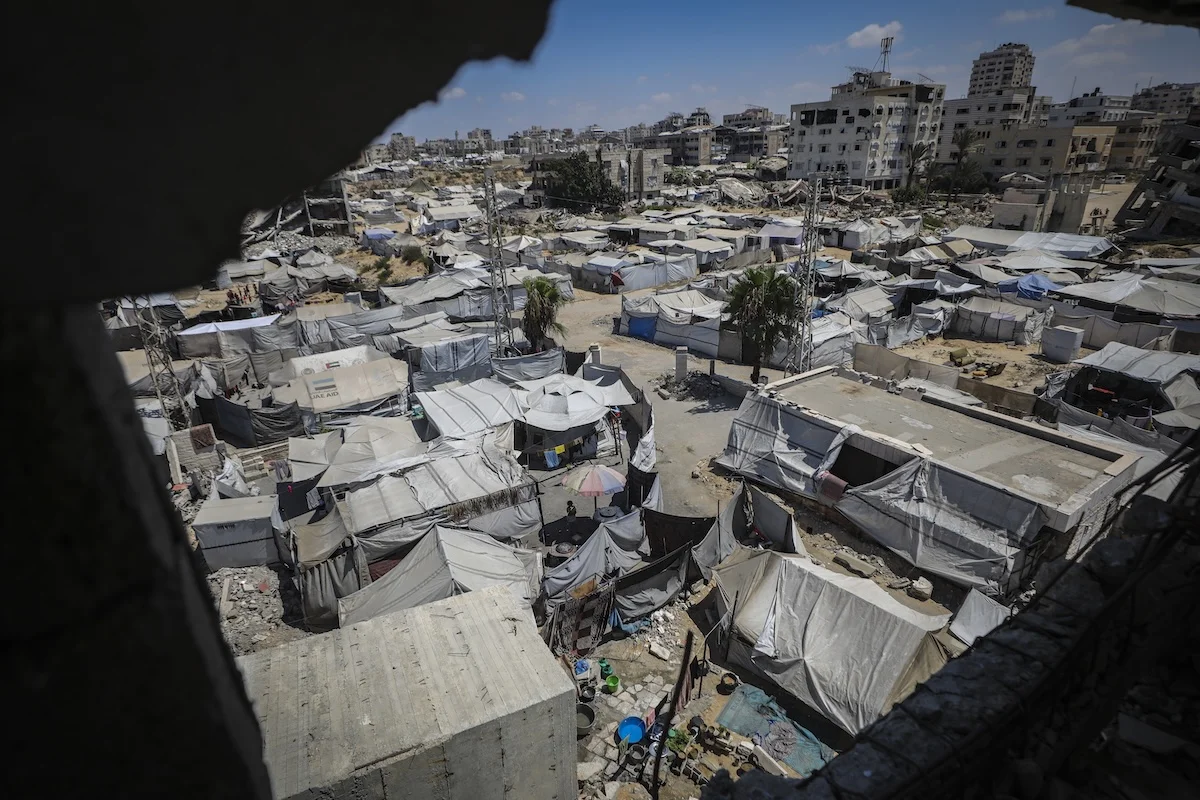
False alarm: Thousands of Israelis receive false messages warning them to enter bomb shelters
Home Front Command issues denial of any messages or change in security situation
After two days of unexplained explosions of communication devices belonging to members of the Hezbollah terror group in Lebanon, over 100,000 Israelis received fake emergency messages on their cell phones early Thursday morning, falsely instructing them to enter protected spaces.
The messages were distributed in several waves starting shortly after midnight with the first batch appearing to originate from the IDF Home Front Command.
However, several sharp-eyed citizens noticed a spelling error in the messages instructing Israelis to enter protected spaces. The message should have read, “You must immediately enter a protected space,” using the Hebrew word merhav (space). However, the false message had the nonexistent Hebrew word terhav. [On the Hebrew keyboard the letters tav and mem are close to one another.]
אלפי ישראלים קיבלו "התרעת חירום" הקוראת להיכנס למרחבים מוגנים. נבדקת האפשרות שמדובר בהודעה שמאחוריה עומדים גורמים איראנים. בצה"ל הבהירו: "ההודעה לא הופצה מטעמנו, אין שינוי במדיניות התגוננות פיקוד העורף"@Itsik_zuarets @ItayBlumental pic.twitter.com/J27TsWTbXa
— כאן חדשות (@kann_news) September 18, 2024
Several less observant users reposted the messages on social media, leading Home Front Command to issue a public statement denying the release of an order to enter protected spaces.
“In recent hours, false announcements have been circulating, calling on civilians to go out and enter the protected areas – the announcement was not issued by the Home Front Command or any other official source. For the avoidance of doubt, no order was given in the last hour to enter the protected areas.”
Other messages appeared to come from the IDF and contained links to malicious websites, apparently intended to garner information from unsuspecting Israelis in a phishing attack.
The final wave of messages dropped any pretense of being official instructions from Israeli authorities and instead claimed to be from Hezbollah Sec.-Gen. Hassan Nasrallah himself.
“Say goodbye to your loved ones; but don’t worry,” the message read. “You will hug them again in hell in a few hours.”
Another such message read in English, “If you want to live, leave. If you want to stay, go to hell.”
While authorities have not confirmed who initiated the fake messages, most analysts in Israel believe that hackers associated with the Iranian regime or Hezbollah are behind the effort in retaliation for the explosions of the pagers and radio devices over the past two days.
-----
Update:
The National Cyber Array released a statement Thursday evening blaming Iran and Hezbollah officially:
"Iran and Hezbollah are behind the distribution of the alarming text messages impersonating the Home Front Command that were sent to citizens overnight. During the night, about 5 million text messages were sent in three versions of messages, which are a cheap and unsophisticated attempt to cause panic in the public."
Popular article:
interview Easter message of resurrection hope amid war at Jerusalem's Garden Tomb

biblical commentary Let my people go: a Passover message for today
4 IDF soldiers killed, 2 wounded in fighting in southern Lebanon, as Israel eliminates dozens of Hezbollah terrorists
Receive latest news & updates
A message from All Israel News
Help us educate Christians on a daily basis about what is happening in Israel & the Middle East and why it matters.
For as little as $10, you can support ALL ISRAEL NEWS, a non-profit media organization that is supported by readers like you.
Latest articles:
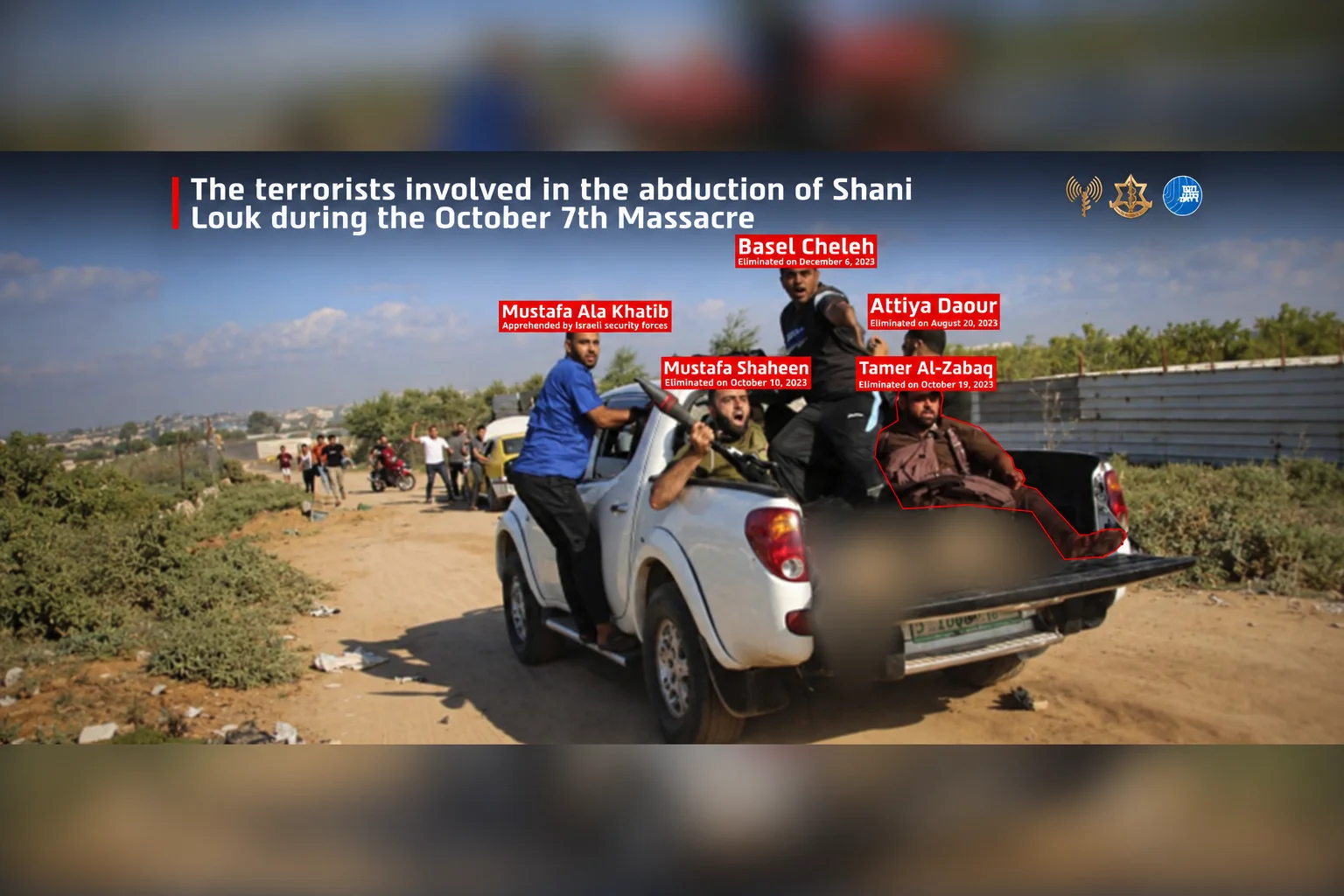
IDF kills Hamas terrorists involved in abduction of German-Israeli Shani Louk on Oct 7

Hungary reaffirms ties with Israel during Herzog visit, condemns antisemitism
Elections 2026 IDF soldiers begin voting as poll shows most Israelis have settled on a party
Top Iranian security official says ‘not one particle of uranium will leave,’ says US must accept Iranian terms for negotiations

Israeli health-tech startup uses AI to unlock medical data, identify patients at risk of disease